














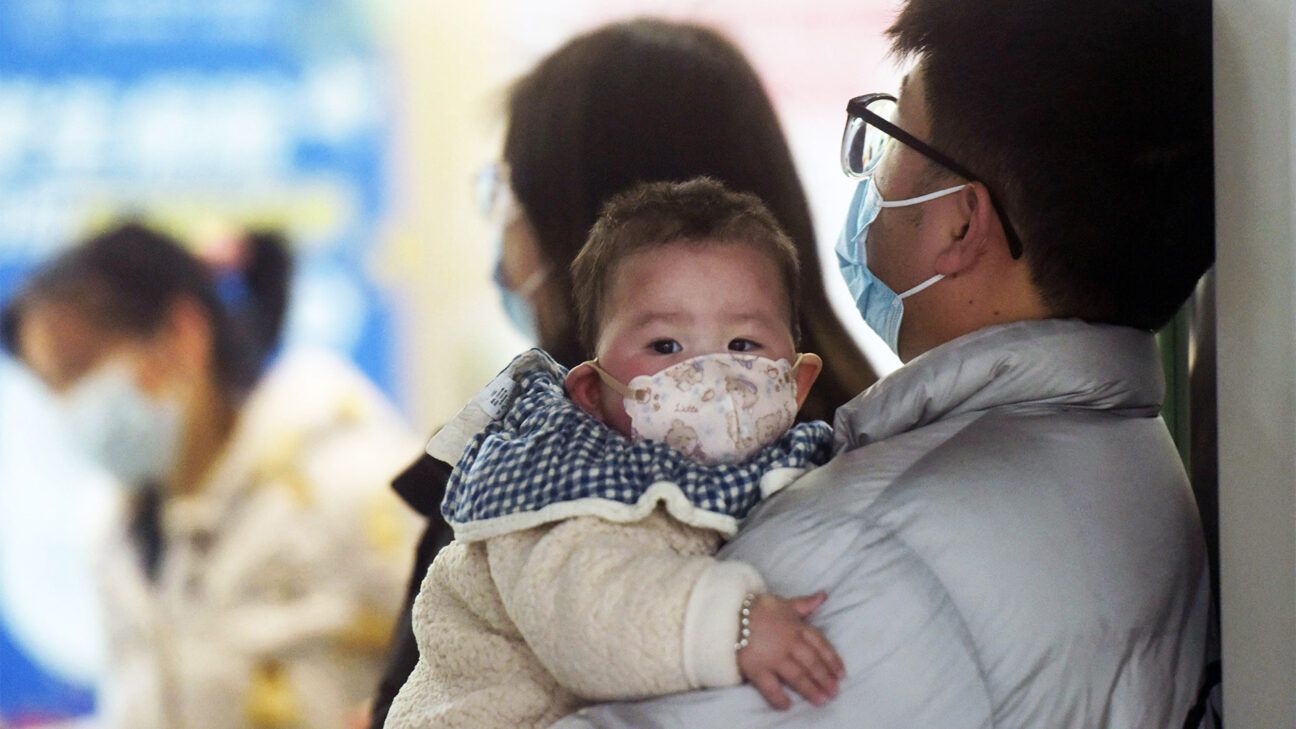
- Human metapneumovirus (hMPV) cases are rising in China but experts say it’s not a cause for worry.
- Symptoms are similar to a cold, which include cough, runny nose and sore throat.
- To tell the difference between hMPV and a cold, testing is required.
- Children younger than age 2 are most at risk of hospitalization due to hMPV.
With respiratory illness season in full swing in the Northern Hemisphere, a lesser-known virus is circulating in China, with cases rising in recent weeks.
The
It’s not unusual for hMPV to
“China’s reported levels of respiratory infections are within the normal range. It’s what we would expect to see for the winter season,” Margaret Harris, a spokesperson for the World Health Organization, said in a media briefing on January 7. Harris noted that hospitalizations in China due to respiratory illnesses remain low.
In the United States, even amid
Despite the low risk, hMPV is expected to continue to circulate through the spring along with other respiratory diseases. Here’s what you need to know about hMPV and how it differs from other respiratory illnesses.
Human metapneumovirus (hMPV) affects the respiratory tract and is from the same family of viruses as RSV.
Since the hMPV was first identified in 2001, it’s now considered the second or third leading cause of lower respiratory viral infections and viral pneumonia in children requiring medical attention, according to Michael Chang, MD, a pediatric infectious diseases expert at UTHealth Houston and Children’s Memorial Hermann.
“Like RSV and influenza, hMPV also has annual epidemics in the late winter and early spring, usually 1–2 months following the RSV and flu season,” Chang told Healthline. “Generally, hMPV infection looks a lot like RSV infection.”
During respiratory viral season, which typically runs from October through April, hMPV usually accounts for 5%–25% of respiratory virus infections among infants and children and 1.5%–10.5% of respiratory infections among adults.
In children, hMPV causes an estimated 5%–15% of hospitalizations for respiratory tract illness, while in adults, hMPV causes up to 11% of hospitalizations. Adults with underlying heart disease or lung disease are especially at risk.
Dele Ogunseitan, PhD, a professor of population health and disease prevention at the University of California, Irvine, told Healthline that hMPV causes lower respiratory tract inflammation and that only RSV is more common.
“Many viruses that infect humans to cause respiratory diseases similar to the common cold may surge in recent months because most parts of the world went through a hibernation (lockdown) for the past two years, and many of these viruses did not circulate in the population,” Ogunseitan said.
“We did not acquire the types of natural immunity that might have staved off infection. When people started mingling and traveling recently, these infections surge.”
Common symptoms of hMPV include:
- cough
- fever
- nasal congestion
- sore throat
More severe symptoms of hMPV include lower respiratory tract symptoms such as:
- croup
- bronchiolitis (in young children)
- bronchitis (in adults)
- pneumonia
- asthma exacerbation
Asthma exacerbations and bronchiolitis are likely to present with expiratory wheezing, possibly even in kids without a history of wheezing before, Chang explained. Bronchiolitis is more likely in pre-school-aged children and younger.
Lower respiratory tract disease may be severe enough to require hospitalization and even intensive care in rare cases. Also, hMPV is associated with ear infections.
“The vast majority of patients with acute hMPV infection are children and will have the most common upper respiratory symptoms; runny nose, cough, fever. Occasionally, you can see pink eye from hMPV,” Chang said.
Adults who live with chronic conditions affecting the lungs like asthma or chronic obstructive pulmonary disease (COPD) may experience worsened symptoms with hMPV infection, Chang explained.
Testing is necessary to differentiate between hMPV and the common cold. “For most children and adults, you won’t be able to tell hMPV from a cold without testing,” Chang said.
Doctors do not routinely test for hMPV, but the CDC
Testing for hMPV may be done at a hospital or your doctor may be able to test for the virus by taking nose and throat samples at their office. “Testing is in the form of a nasal swab to look for the viral genetic material via PCR,” Chang explained.
Laboratory tests may be able to differentiate and identify the specific virus involved, Ogunseitan explained.
“The symptoms typically clear up with rest and similar over-the-counter treatments as for the common cold. Any patient with severe infection including difficulty breathing should seek medical care promptly,” said Ogunseitan.
If you think you could have hMPV and your symptoms are worsening, it’s important to seek professional medical attention, particularly if you’re the parent of a young child who could be sick.
“Common hygienic practices, including hand washing and mask-wearing should reduce the risk of infection,” Ogunseitan said.
There are no specific antiviral treatments for hMPV.
“For most patients, symptomatic care at home with hydration and fever reducers will work great,” said Chang.
“For infants and children that require hospitalization, supplemental oxygen, hydration, and supportive care will be the primary treatments.”
“Children younger than age 2 at the greatest risk for hospitalization from hMPV.
Also, children with underlying diseases such as history of prematurity, bronchopulmonary dysplasia, congenital heart disease, asthma, and compromised immune symptoms are at risk for more severe disease from hMPV,” Chang stated.
In adults, patients older than 65 with underlying chronic heart or lung disease, including asthma and COPD, or who are immunocompromised are at increased risk for severe illness, Chang added.
Rising hMPV cases in China are not a cause for concern, since spikes in respiratory illnesses are typical in winter and spring.
The common symptoms of hMPV include cough, runny nose and sore throat. Testing is necessary to tell the difference between hMPV and the common cold.
Although there are no specific treatments, symptomatic care at home with hydration and fever reducers can be beneficial. Children younger than age 2 are most at risk of hospitalization due to hMPV.