














Eight brave editors mustered the strength to lie on thousands of small spikes, and now it’s time to reveal what we learned.
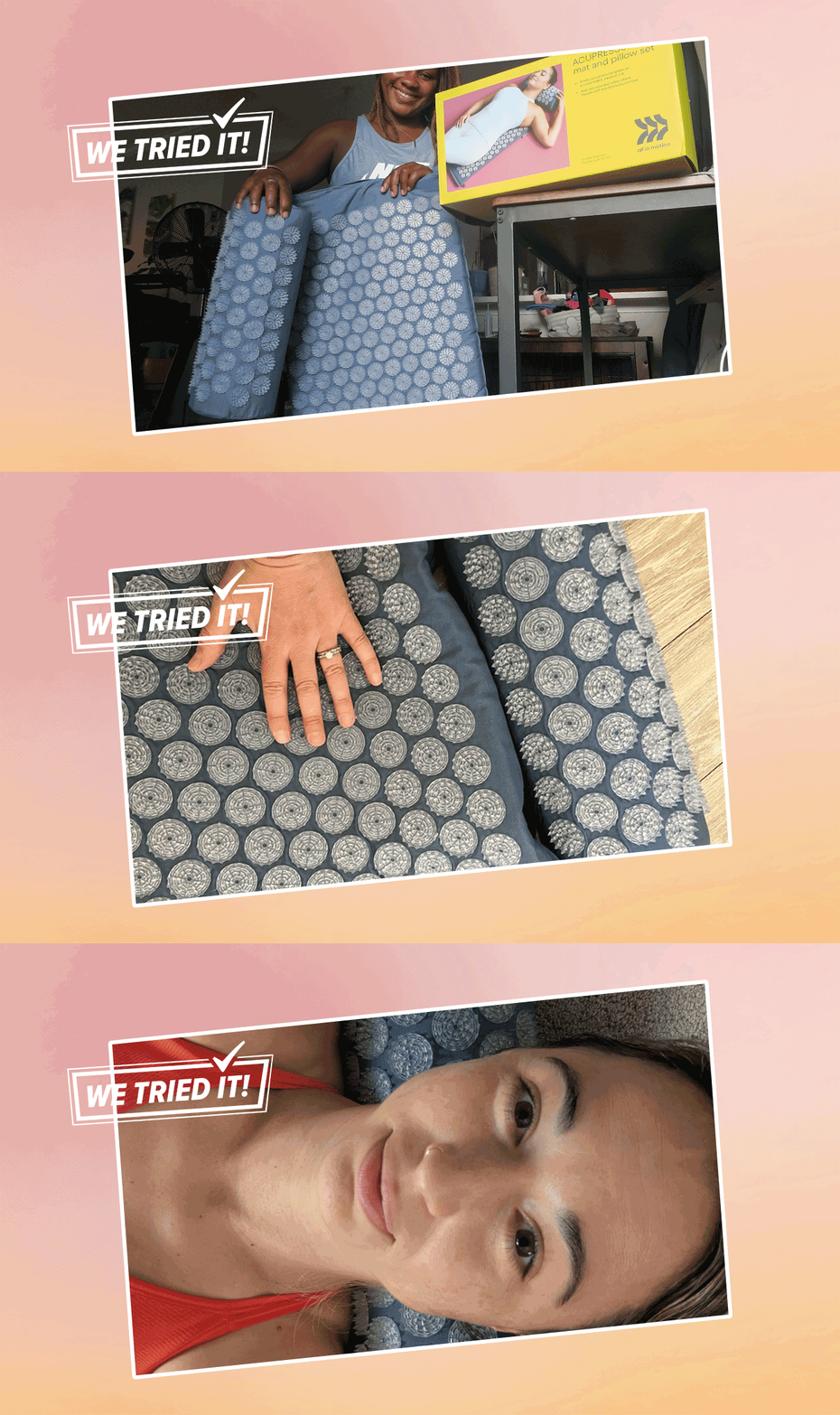
Our team, each with our own pain points, was curious about acupressure mats and how they could help manage pain, tension, and soreness. It would be even better if they could deliver on promises like improved sleep, energy, and stress.
Let’s be clear: Reliable, large-scale research on the benefits of acupressure mats is lacking. One
When you first lie on the mat, it feels exactly like you’d imagine lying on thousands of small spikes would feel.
A few minutes later, you start to relax into it. You feel heat build that signals blood circulation. It’s tingly and prickly, and yet there’s an ease that takes over.
Like my daily cold plunge, the discomfort was chased by incredible blood flow and feeling great.
This is from our editor, Kristin Currin, who manages fibromyalgia pain and daily muscle fatigue. She plans to keep using the mat for blood circulation to help ward off pain that typically strikes during sleep.
It falls under the “hurts so good” category. Coming from someone who prefers a lot of pressure during a massage and rolls neck knots and shoulder tension out on a lacrosse ball every night, this activity falls in the same bucket.
It’s uncomfortable, but somehow in a good way.
Unanimously, lying on an acupressure mat felt more effective when the mat came into contact with skin.
One editor tried it for a full week with a layer of clothing and the next week just bare skin. The latter won her over. In her words:
The increased intensity felt more beneficial, particularly for easing and distracting from stress and anxiety, and easing deep tension.
This sentiment was echoed throughout our editors’ feedback, with all of them saying they couldn’t feel much when a shirt was between them and the mat.
When I first used it with a shirt, I quickly felt it wasn’t going to be enough. From then on, I wore either a sports bra with a fairly open back or was totally bare with my pajama shirt draped over the top of me.
The extra layer is like a stepping stone to test your tolerance, which you eventually realize you don’t need. In Kristin’s words:
I preferred the bare skin, otherwise it seemed like efficacy would decrease if I mitigated the pressure.
Most acupressure mats with a pillow cost between $30 and $40, but a few splurgy options creep to $80 and above.
They may be made with better quality materials and feel a little more luxe. However, don’t feel guilty about reaching for a cheaper option.
We tried the All in Motion option from Target and the Umbra acupressure mat available on Amazon for our UK editors. The materials may not feel as high quality, but we still felt the sensation and effects.
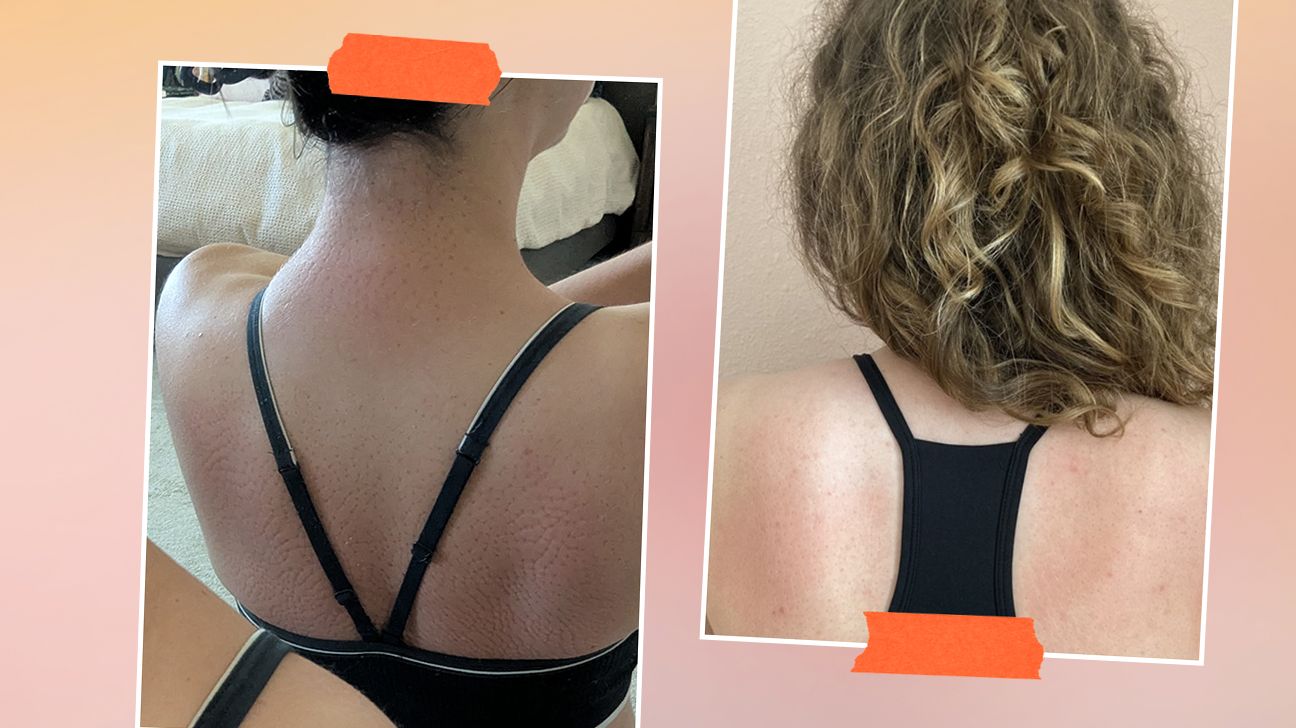
The first time I used the mat for a long period of time — 10 minutes or so — I was a little put off by the burning sensation and skin sensitivity that ensued after getting off the mat.
But this is a common sensation that starts to fade after a few minutes. It could be alarming if you don’t know what to expect. It felt akin to the sensitivity of a sunburn but less intense, and the sensation waned after a few minutes. Depending on your skin color, your skin may become red, too.
When used for shorter periods of 5 minutes or less, you’re not likely to experience this. As the weeks went on and I used the mat daily, I came to associate the tingle and redness with the side effects that the mat was doing its job.
There isn’t a lot of research on how acupressure mats affect stress. The studies that do exist have hypothesized that the benefits may come more from the fact that you’re carving out time to relax, versus anything related to the acupressure points on their own.
In other words, it may lower perceived stress, but the reason is unclear.
Stress relief was a common experience for our team while testing acupressure mats, and it is a standout reason many plan to continue using them.
I liked that it would force me to lie still and relax for a while, a real treat, as a busy working parent.
That’s from our editor Alice Porter. One of the biggest perks for her, in addition to the fact that it helped her ease the physical tension she carries from parenting a toddler, is that it has forced her to lie down and be still.
“I’m hoping I can start building a routine, using it both in the morning and evening, as a kind of first thing, last thing ritual to check in and reset my body and mind.”
Using an acupressure mat to relax before sleep was a success, but it had different perks when used at other times of the day. They did seem to help us refocus during afternoon slumps and energize ourselves in the mornings.
In the words of Alice, our editor facing the often exhausting act of being a working mom:
I find it most useful to take out when I feel I could benefit from it, usually in the afternoon when I need to relieve aches and pains, ground myself, and focus.
Again, scientific evidence is lacking, but anecdotally, we found the acupressure mats energizing. Our editor, Parisa Syed, who is not a morning person, says it helped give her a boost.
After I used it in the mornings, I did feel more energized than usual. I definitely felt an increase in energy and even a little mood boost after using the mat for 2 minutes.
Although acupressure mats have not been extensively studied, we found them helpful. They don’t cost much, and our editors experienced enough benefits to say they are worth a try.
One editor wasn’t a huge fan, saying it didn’t help her much with stress or headaches, like she hoped. “I will say when it comes to pain, at least it gives you another sensation to focus on, so it was kind of helpful in that way.”
They were not a cure-all, but if you’re looking for relief from daily physical tension or stress, acupressure mats proved to be a useful tool for our busy bunch of editors. Our editor Lois lives with chronic pain and, at the time of testing, was experiencing sciatica and widespread muscle tension.
I consider the short windows of pain relief and relaxation a win.
It’s all about checking your expectations. As Lois put it, she is well aware that an acupressure mat isn’t going to stand up against the musculoskeletal conditions she lives with. “However, I [still] find them helpful for some short-term pain relief from muscle aches and tension.”
They aren’t going to work out deep-rooted knots or replace the need to stretch after a workout. They certainly won’t cure chronic conditions, but they did offer relief from aches and pains and force us to slow down and center ourselves.
I noticed incorporating the mat and cervical pillow during my bedtime hygiene helped with blood flow and circulation… super helpful for someone with fibromyalgia like myself.
Since becoming a parent, my progress has tanked as I just don’t find the time to sit down and pay full attention, so this was a pretty valuable perk for me.
I thought the mat was more useful after lying on it for longer (again about 10 min at a time).
It seemed that the longer I used it, the more sensation I could feel in the areas that needed it most, sort of like those spots revealed themselves as I lay there.
I got used to the feeling very quickly. I actually found it quite enjoyable and relaxing. It forced me to carve out time in the evening to just sit or lie with my thoughts.
Safety tips
Acupressure mats are not safe for everyone. You’ll want to keep some considerations in mind before buying or using one:
- Acupressure mats shouldn’t be used instead of medical treatments or prescribed medications.
- Mat spikes can pierce the skin, especially when used incorrectly. To avoid wounds or infection, don’t use an acupressure mat if you have thin skin, diabetes, or reduced circulation.
- Most acupressure mat manufacturers don’t recommend using them while pregnant.
- Don’t use an acupressure mat to induce labor. Acupressure for labor should only be performed under the supervision of a medical professional.
- Babies, toddlers, and small children should not use acupressure mats.
- If you have high or low blood pressure, talk with your doctor before using it.
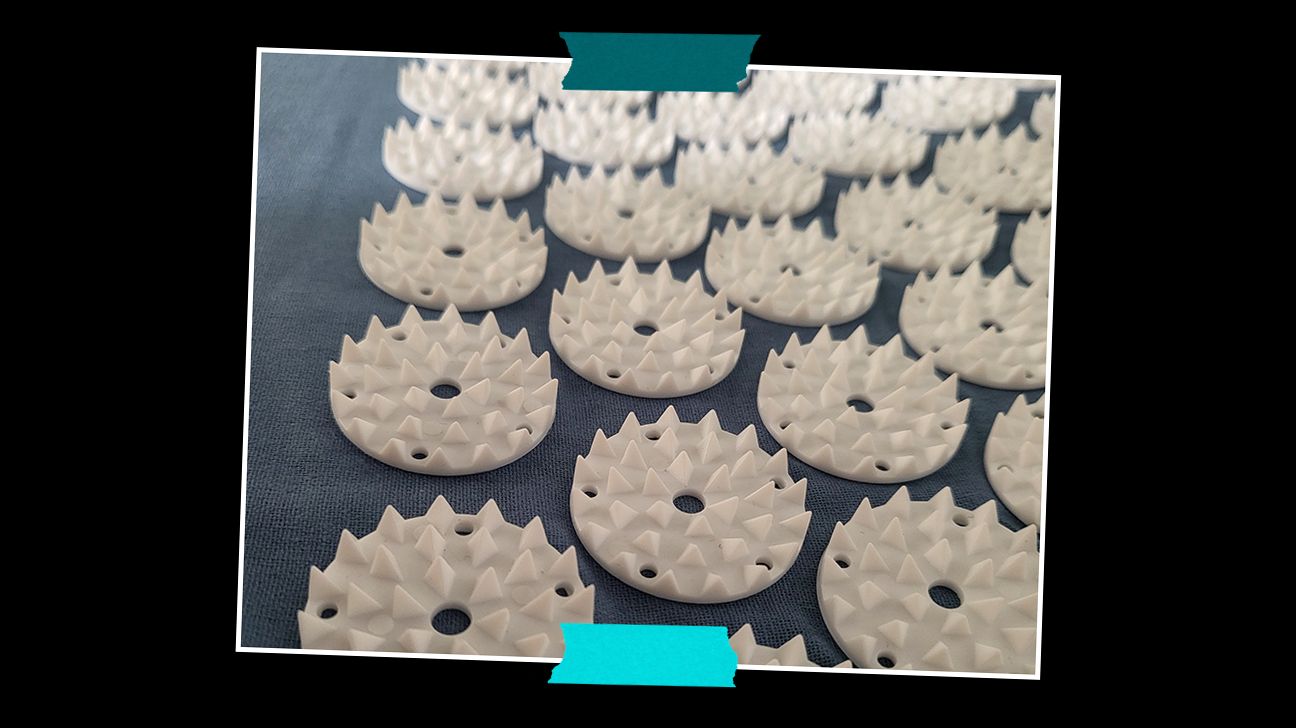
Acupressure mats contain several thousand plastic points that apply pressure to increase blood flow and circulation.
Acupressure mats can take some getting used to. The spikes are sharp and can cause discomfort or pain for several minutes before they start to warm up to the body and feel good.
To get maximum results, use the mat each day for 10–20 minutes at a time. Remember to breathe and relax.
Using an acupressure mat for approximately 20 minutes is generally believed to be sufficient. We found that breaking the 10-minute threshold was when you started to feel more benefits. But in some cases, it was sufficient to stand or lie on it for just a few minutes to boost energy and focus.
Children or babies should not use acupressure mats. They are also not appropriate for people with unmanaged high blood pressure, bleeding disorders, or skin inflammation or infection.
If you are pregnant or could be pregnant, discuss using an acupressure mat with your doctor first. Additionally, if you have sensitive skin, heart issues, or any other serious medical condition, consult your doctor before using an acupressure mat.
Acupressure uses manual pressure from fingers, elbows, or a mat to apply pressure to acupoints. In acupuncture, this pressure is applied with extremely thin needles that puncture the body. It’s more targeted.
Acupressure can be done at home, while acupuncture requires the services of a qualified professional.
While there’s not a specific time limit for lying on an acupressure mat (under 30 minutes is frequently recommended), lying on spikes for too long can cause bruising or damage to the skin’s surface.
It’s not generally advised to lie on an acupressure mat overnight.