














Meet Brick: the app blocker that promises to help you stop scrolling until your eyes sting. Our social media team (reluctantly) put it to the test.
Picture the scene: You open up TikTok for a‘quick’ scroll before bed. Next thing you know, countless cat memes and conspiracy theories later, it’s 2 a.m., and you’ve doomscrolled into another dimension.
You’re not alone. Studies show the average person checks their phone a whopping 85 times a day, and many struggle to stick to self-imposed limits.
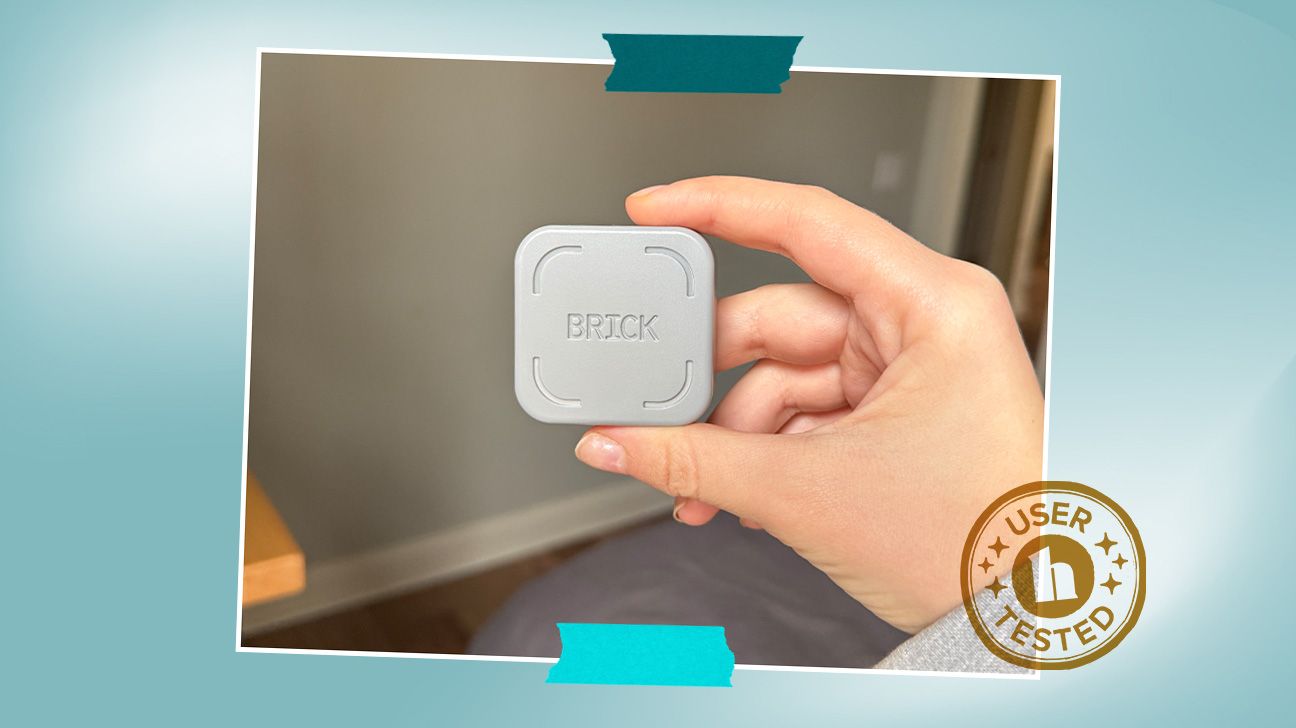
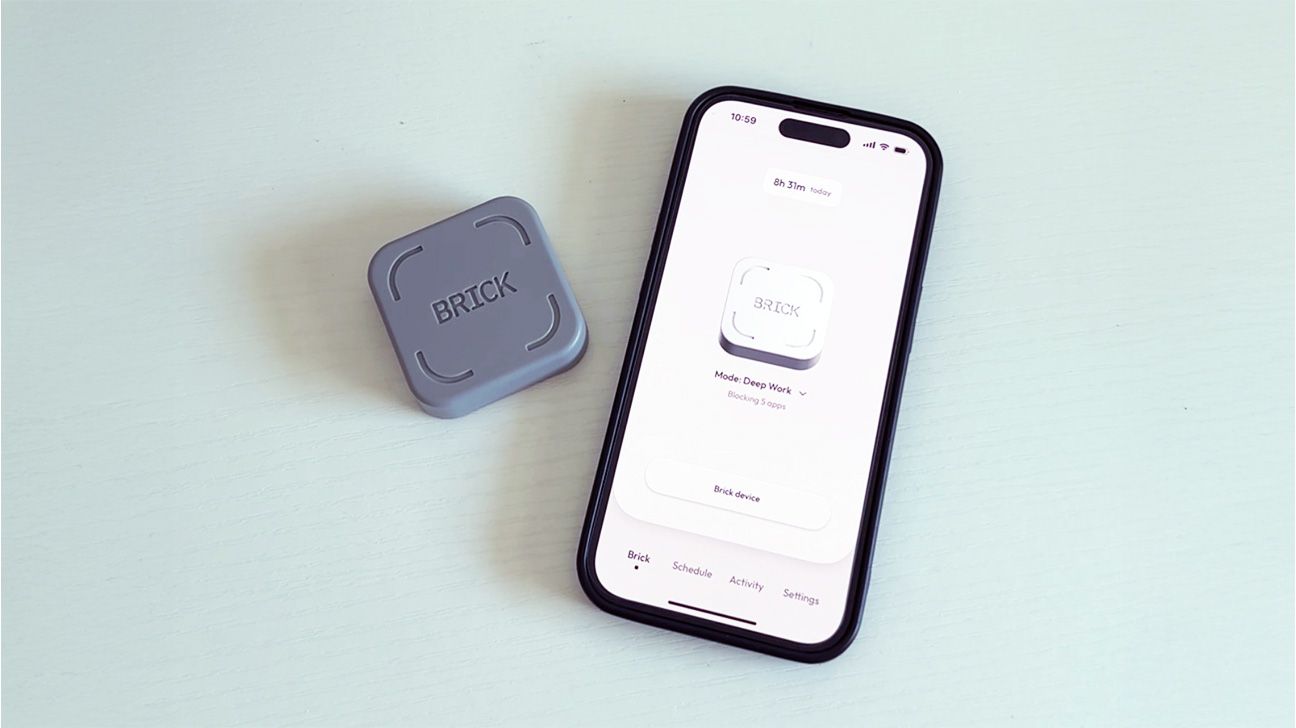
That’s where Brick comes in. This clever gadget claims to curb spiralling screen time. But here’s the twist: it’s not just another app. Brick is a physical device, paired with software, that blocks time-sucking apps and notifications.
To activate it, you tap your phone to the Brick, then place it out of reach. And, voilà, app access is revoked. To ‘unbrick’, you’re forced to actually get up and go to the device. Unlike virtual app blockers, there are no sneaky overrides. Just you, the Brick, and a somewhat humbling walk back to reclaim your apps (depending on your willpower).
Curious if Brick can help you go cold turkey? We challenged the most chronically online people we know, our social media team, to put it to the test and report back.
For a full week, they put down their phones and went without WhatsApp or any of the usual suspects.
So, how did they fare with a vacant hand, IRL conversations, and no notifications? Some struggled, some flourished.
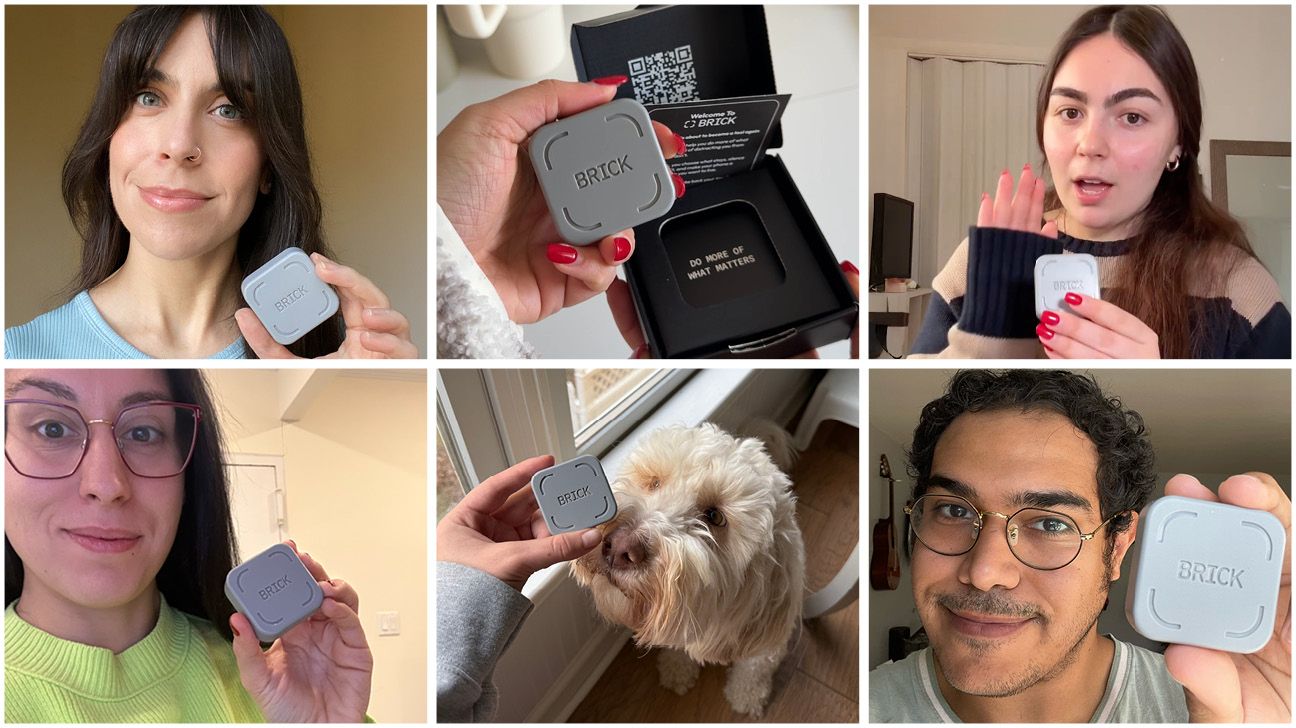
The setup was easy peasy
Before our Brick guinea pigs could commit to a scroll-free existence, there was one small irony. They had to use the very thing they were trying to resist, their phone.
Thankfully, the setup was super swift and simple, taking no more than 10 minutes.
“The app and device were super easy to set up. I scanned the QR code, downloaded the app from the app store, and immediately connected it to my device. I set up schedules to avoid scrolling on my phone after a certain time (10 pm was my wind down time before bed),” explained Alexa Pipia.
It highlights just how automatic phone use really is
Almost immediately, several of our testers found themselves instinctively reaching for their phones, highlighting just how hooked they are.
Angela Purcaro described it best: “I found myself absentmindedly reaching for my phone to get little hits of dopamine that my brain was craving, but with the Brick, there was nothing my phone could offer me. It really demonstrates how addictive our phones and apps are.”
This was echoed by Tim Mojica. “I immediately caught myself reaching for my phone out of habit, even though I knew the apps were locked.”
The physical device made it feel more serious — for most
For some, the inconvenience of the physical device helped them take the experiment seriously. For others, it was the dealbreaker.
According to Sonia Moreira, “I appreciated the concept of having a physical, tangible device to ‘block’ my phone, which felt more effective than using mobile focus apps. Since those apps operate on the phone itself, they don’t create a clear physical distinction or sense of disconnect.”
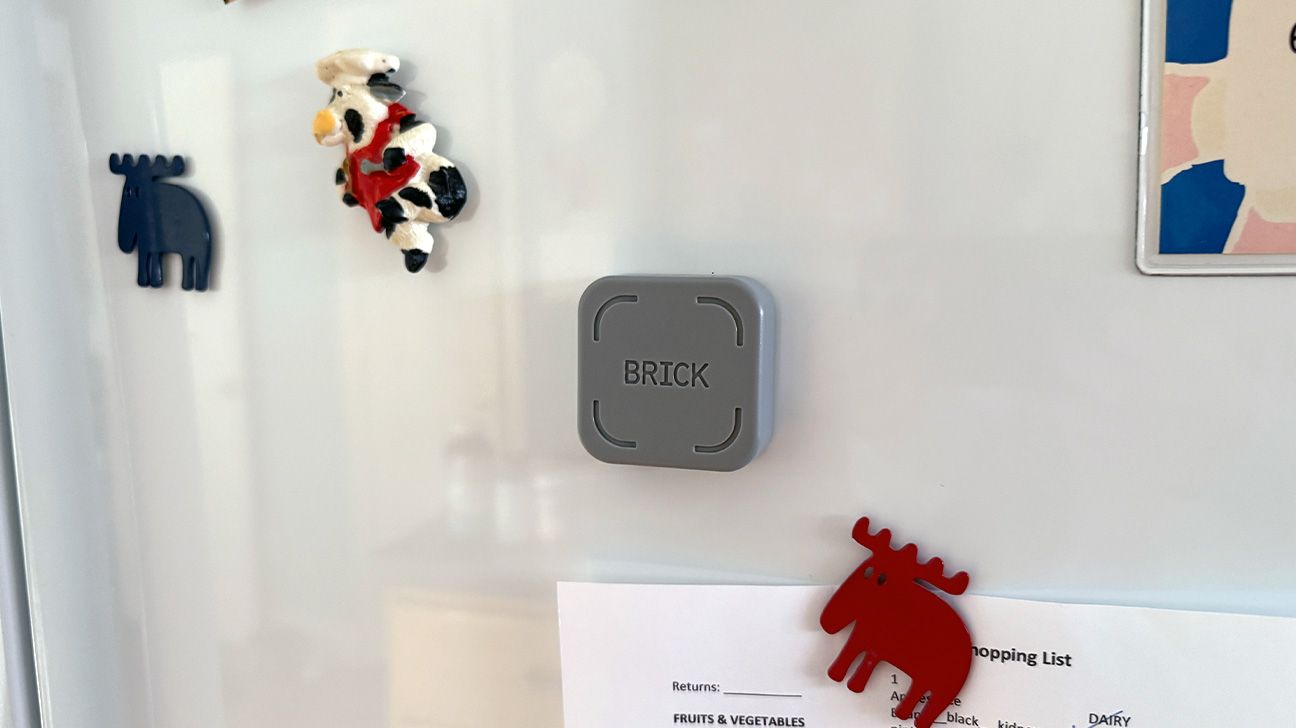
Angela, who kept the Brick on the third floor of her townhouse, cited the unnecessary stair climbing as added motivation not to call it quits. “I find it to be very useful for supporting my lack of willpower and creating healthy boundaries.”
But that same friction didn’t work for Tim.
“For my needs, more flexible, software-based options feel like a better fit,“ he said. Where others needed the physical divide, he felt like he could trust himself with a built-in app only, so the extra step felt inconvenient. And it induced a bit of anxiety.
“I found myself constantly worrying about where the Brick was. It felt similar to the nagging thoughts of ‘Did I leave the stove on?’ or ‘Where did I put my keys?’ — the kind of low-level anxiety that lingers in the background.”
It reduced phone scrolling, but not always total screen time
Brick delivered on its promise for some of our testers, loosening their phones’ tight grip on them and shrinking their scroll time. Intriguingly, for others, it didn’t eliminate screen time completely. It simply moved it elsewhere.
Sonia said, “While the device effectively discouraged me from using social media on my phone, my screen time simply shifted to different formats and platforms.”
Alexa’s experience was similar: “I bricked my social media apps, but it led me to start doing things on my phone like texting a lot more or checking different apps that were available to me.”
This resonated with Coral Clark, too: “Interestingly, my screen time stayed consistent and even increased slightly over the few weeks I tested this product.”
You could argue that even if Brick doesn’t reduce your screen time but steers you toward apps that serve you better, that’s a win. Think Kindle or texting friends. That trumps aimless scrolling, right? Still, you may need to police which apps you’re turning to, Brick a few more of them, or, better yet, keep analog alternatives on hand.
We felt calmer, more focused, and better rested
Despite the initial difficulty and mixed outcomes with screen time, most of our social team observed benefits.
For Angela, the biggest change was less anxiety. “While social media is my job, it also welcomes a lot of stress and outside noise into my life, and by setting boundaries for myself I felt a lot lighter after a week of Bricking.”
Sonia, meanwhile, felt more focused. “Overall, this helped me reduce distractions and maintain better mental clarity throughout the day.”
“I definitely got better sleep!” Alexa adds. “I also weirdly felt like I was connecting with friends and family more just because of my shift from social media to texting. I was having actual conversations rather than DMing memes back and forth.”
It won’t stop you from using your phone entirely, but it’s a start
The majority of our testers said they’d continue using Brick, even if not constantly.
“In a perfect world, I wouldn’t need the Brick, but at this time, it’s the assist I need to give me more separation from my screen,” Angela said.
Alexa added, “I definitely want to continue to use it, and I want to be more intentional about the way I use it. I love how I have it set up for the 10 pm start schedule, but I want to be more diligent about how I use it during the day.”
Finally, Sonia shared, “I can definitely see myself continuing to use the device, particularly in situations where I’m feeling burnt out from work. It would be a helpful tool to create clear work-life boundaries by blocking work-related apps after hours and ensuring I disconnect to recharge.”
So, is Brick a cure-all for compulsive scrolling?
Possibly. If weak willpower has failed you before, adding a physical roadblock between you and your apps might be the nudge you need to quit scrolling and be more intentional with your phone use.
It probably won’t stop you from using your phone altogether, though. But, then again, is that even possible?