Key Takeaways
- Dovato is a complete treatment for HIV in certain adults and children, taken as 1 tablet per day.
- Dovato’s side effects can range from mild issues like headache and nausea to more serious ones, such as problems with the liver or immune system.
- A program called ViiVConnect provides savings options to help lower Dovato’s price. Coupons may also be available.
Dovato (dolutegravir/lamivudine) is prescribed to treat HIV in adults and certain children 12 years and older. Doctors may prescribe Dovato:
- if you haven’t previously taken medications for HIV, or
- to replace your current HIV treatment, if you have an undetectable HIV level in your blood
For more information, see the “What Dovato is used for” section.
Dovato basics
Dovato is a type of antiretroviral drug. It contains the following active ingredients:
- dolutegravir, which is an integrase inhibitor
- lamivudine, which is a nucleoside reverse transcriptase inhibitor
Dovato is a brand-name medication. A generic version of Dovato isn’t currently available.
Dovato is used to treat HIV in adults and children ages 12 years and older who weigh at least 25 kilograms (kg), or about 55 pounds (lb).
Specifically, Dovato can be used for people with HIV who have not previously taken antiretroviral medication. Dovato can also be used to replace your current antiretroviral treatment if you meet all of the following criteria:
- You have an undetectable level of HIV in your blood. Undetectable means less than 50 copies of the virus per milliliter of blood.
- You have not experienced treatment failure with HIV medications you’ve taken in the past. Treatment failure is when a person’s HIV blood level is above a certain amount despite treatment.
- Your HIV isn’t known to be resistant to dolutegravir and lamivudine, the two active ingredients in Dovato.
About HIV
HIV is a virus that attacks your immune system. It’s transmitted through bodily fluids, such as blood, breast milk, semen, and vaginal or rectal fluids.
Without treatment, HIV is likely to develop into stage 3 HIV, also known as AIDS. Stage 3 HIV causes your immune system to become too weak to defend itself against infection.
There currently isn’t a cure for HIV, and life expectancy is different for every person. But many people with HIV can live a long, healthy life if they take Dovato or similar medications.
How does Dovato work?
Dovato contains two active ingredients that help it work to treat HIV:
- Dolutegravir, which is an integrase inhibitor: Integrase inhibitors target HIV by stopping the virus from making copies of itself. This prevents the virus from spreading throughout your body.
- Lamivudine, which is a nucleoside reverse transcriptase inhibitor (NRTI): Lamivudine also stops the virus from copying itself, but in a different way than dolutegravir.
Dovato is meant to be used as a complete drug regimen for treating HIV. This means you won’t need to take other HIV medications with Dovato.
For more information about Dovato as a treatment for HIV, talk with your doctor.
Whether you have health insurance or not, cost may be a factor when you’re considering Dovato. Dovato’s price may depend on several things, such as whether you have insurance and which pharmacy you use.
Savings program: If you have questions about how to pay for your prescription, talk with your doctor or pharmacist. A program called ViiVConnect may also be available. It offers several savings options, including a savings card for people with insurance.
Drug coupons: You may be able to find drug coupons on prescription discount websites that can reduce the cost of your medication. These coupons cannot be used with insurance copays or benefits, but the discounted price may be lower than what you would pay through insurance.
Like most drugs, Dovato may cause mild or serious side effects. The lists below describe some of the more common side effects that Dovato may cause. These lists don’t include all possible side effects.
Keep in mind that side effects of a drug can depend on:
- your age
- other health conditions you have
- other medications you take
Your doctor or pharmacist can tell you more about the possible side effects of Dovato. They can also suggest ways to help reduce side effects.
Note: After the Food and Drug Administration (FDA) approves a drug, it tracks and reviews side effects of the medication. Sharing your experience helps make medications safer for everyone by giving doctors and researchers more information about how the drug works in real life. If you develop a side effect while taking Dovato and want to tell the FDA about it, visit MedWatch or call 800-FDA-1088.
Mild side effects
Here’s a short list of some of the mild side effects that Dovato can cause. To learn about other mild side effects, talk with your doctor or pharmacist, or refer to Dovato’s prescribing information.
Mild side effects of Dovato that have been reported include:
- headache
- diarrhea
- nausea
- trouble sleeping
- fatigue (low energy)
- anxiety
Mild side effects of many drugs may go away within a few days to a couple of weeks. But if they become bothersome, talk with your doctor or pharmacist.
Serious side effects
Serious side effects from Dovato can occur, but they aren’t common. If you have serious side effects from Dovato, call your doctor right away. But if you think you’re having a medical emergency, you should call 911 or your local emergency number.
Serious side effects of Dovato that have been reported include:
- depression
- suicidal thoughts or actions
- lactic acidosis (too much lactic acid in your body)
- liver problems
- immune system changes
- boxed warnings: risk of existing hepatitis B virus worsening or becoming lamivudine-resistant (see “Dovato precautions” for details)
- allergic reaction
See “Side effect focus” for more details about some of these side effects.
Help is out there
If you or someone you know is in crisis and considering suicide or self-harm, please seek support:
- Call or text the 988 Suicide and Crisis Lifeline at 988 or chat at 988lifeline.org. Caring counselors are available to listen and provide free and confidential support 24/7.
- Text HOME to the Crisis Text Line at 741741 to connect with a volunteer crisis counselor for free and confidential support 24/7.
- Not in the United States? Find a helpline in your country with Befrienders Worldwide.
- Call 911 or your local emergency services number if you feel safe to do so.
If you’re calling on behalf of someone else, stay with them until help arrives. You may remove weapons or substances that can cause harm if you can do so safely.
If you’re not in the same household, stay on the phone with them until help arrives.
Side effect focus
Learn more about some of the side effects Dovato may cause.
Liver problems
Treatment with Dovato may cause liver problems. These problems may be mild, such as slightly high liver enzyme levels. But rarely, Dovato can cause serious liver problems, including liver failure.
Symptoms of liver problems can include:
- appetite loss
- abdominal pain, particularly on your right side
- high levels of liver enzymes
- nausea and vomiting
- light colored stool
- dark or tea colored urine
- yellowing of your skin or the whites of your eyes
You may have a higher risk of liver problems with Dovato if you have hepatitis B or hepatitis C.
What might help
While you’re taking Dovato, your doctor may order blood tests from time to time to check your liver enzyme levels. Levels that are higher than usual can be an early sign of liver problems, including liver damage.
If you think you’re having symptoms of liver problems, contact your doctor right away. They’ll likely want to examine your symptoms in person.
If your doctor confirms you have liver problems, they’ll likely have you stop taking Dovato.
Immune system changes
Treatment with Dovato may cause immune system changes.
In rare cases, antiretroviral drugs such as Dovato can cause a condition called immune reconstitution syndrome. (Antiretroviral drugs are drugs used to treat HIV.) This reaction may occur when you first start taking Dovato.
HIV reduces the activity of your immune system. When you start taking Dovato, your immune system will likely become stronger again. This is referred to as immune reconstitution syndrome. It may react to infections it previously couldn’t fight. This can cause symptoms such as swelling in your lymph nodes, trouble breathing, and fever.
There are also rare reports of people developing autoimmune conditions, such as Graves’ disease, due to immune reconstitution syndrome. (With an autoimmune condition, your immune system mistakenly attacks parts of your body.) This can happen even after you’ve taken drugs such as Dovato for several months.
What might help
If you develop symptoms of immune system changes while taking Dovato, talk with your doctor. They’ll likely want to examine your symptoms in person. They may also suggest treatment for your symptoms and any infection that may be present.
Unless your symptoms are life threatening, your doctor likely won’t have you stop taking Dovato if you have immune system changes. This side effect is treatable in most cases.
Allergic reactionFor some people, Dovato can cause an allergic reaction. In general, symptoms of an allergic reaction can be mild or serious.
What might help
If you have mild symptoms of an allergic reaction, such as a mild rash, call your doctor right away. They may suggest a treatment to manage your symptoms and can determine whether you should keep taking Dovato.
If you have symptoms of a severe allergic reaction, such as swelling or trouble breathing, call 911 or your local emergency number right away. These symptoms could be life threatening and require immediate medical care.
If your doctor confirms you’ve had a serious allergic reaction to Dovato, they may have you switch to a different treatment.
Find answers to some commonly asked questions about Dovato.
What should I know about Dovato vs. Triumeq, Juluca, Truvada, and Genvoya?
Dovato, Triumeq, Juluca, Truvada, and Genvoya are all prescription medications used to treat HIV. Each of these medications has at least two active ingredients:
- Dovato: dolutegravir and lamivudine
- Juluca: dolutegravir and rilpivirine
- Truvada: emtricitabine and tenofovir disoproxil fumarate (note: Truvada needs to be used with certain other HIV drugs)
- Triumeq: abacavir, dolutegravir, and lamivudine
- Genvoya: elvitegravir, cobicistat, emtricitabine, and tenofovir alafenamide
Which of these is a good treatment option for HIV varies from person to person. Your doctor can tell you more about which drugs may be better choices for you to treat HIV. They can also tell you more about how Dovato compares with other HIV treatments.
Will I have weight gain with Dovato?
It’s possible. Weight gain wasn’t reported in studies of Dovato. But people taking HIV medications that contain dolutegravir have experienced weight gain. Dovato contains dolutegravir.
If you have weight gain during Dovato treatment, talk with your doctor. They can review your medications to check whether any could be causing this as a side effect. They can also discuss ways to maintain a moderate weight.
Is Dovato used for PrEP?
No, Dovato isn’t used for preexposure prophylaxis (PrEP). It’s only used to treat HIV.
PrEP refers to certain HIV medications that help prevent HIV in people who have a high risk of contracting it.
If you want to learn more about PrEP, your doctor or pharmacist can tell you which HIV medications are approved for this use.
Does Dovato cure HIV?
No, Dovato isn’t a cure for HIV. There currently isn’t a cure for this condition. But people with HIV can live long, healthy lives if they take Dovato or similar medications.
Dovato and Biktarvy are tablets prescribed to treat HIV in certain situations. Dovato is used to treat HIV in adults and in children 12 years and older who weigh at least 25 kilograms (kg), or about 55 pounds (lb). Biktarvy is used to treat HIV-1 in adults and children weighing at least 14 kg (about 31 pounds).
Both are combination drugs, but they have different ingredients. Dovato contains dolutegravir and lamivudine. Biktarvy contains bictegravir sodium, emtricitabine, and tenofovir alafenamide.
If you’d like to learn more about these drugs, talk with your doctor about the treatment option that’s right for you.
Your doctor will recommend the dosage of Dovato that’s right for you. The following information highlights commonly used dosages, but always take the dosage your doctor prescribes.
Form and strength
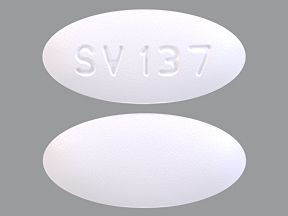
Dovato comes as a tablet that you swallow. It comes in a strength of 50 milligrams (mg) of dolutegravir and 300 mg of lamivudine.
Recommended dosage
You’ll take 1 Dovato tablet once each day. This is the recommended dosage for adults and children.
How to take
Dovato comes as a tablet that you swallow whole with some water or other liquid. Your doctor will explain how you should take Dovato. They’ll also explain how much to take and how often. Be sure to follow their instructions.
Dovato is meant to be used as a complete drug regimen for treating HIV. This means you won’t need to take other HIV medications together with Dovato.
About taking Dovato
Here are some common questions about Dovato’s dosage.
- Can Dovato be chewed, crushed, or split? The manufacturer of Dovato recommends swallowing Dovato whole. If you’re having trouble swallowing pills, talk with your doctor or pharmacist.
- Should I take Dovato with food? You may take Dovato with or without food.
- What if I miss a dose of Dovato? If you miss a dose of Dovato, take it as soon as you remember. Don’t take two doses of Dovato at one time to make up for a missed dose. When you miss doses, it increases the chance of HIV becoming resistant to Dovato. Resistant means that Dovato will not effectively treat your HIV infection, and you could develop symptoms or have to change your treatment. There are several ways to help you remember to take your medication. These include using pillboxes, setting reminders or alarms, and fitting your dose into your daily routines so you’re less likely to forget it.
- Will I need to take Dovato long term? If you and your doctor agree that Dovato is working well for you, you’ll likely take the drug long term.
- How long does Dovato take to work? Dovato begins working as soon as you take a dose. You won’t notice the drug working. But your doctor will monitor your HIV levels to make sure they stay low or undetectable during Dovato treatment.
Before you start taking Dovato, it’s important to tell your doctor about any medical conditions you may have. You should also tell them about all medications you take. This helps them determine whether Dovato is the right treatment option for you.
Interactions
Taking a medication with certain vaccines, foods, and other things can affect how the medication works. These effects are called interactions.
Before taking Dovato, be sure to tell your doctor about all medications you take, including prescription and over-the-counter types. Also describe any vitamins, herbs, or supplements you use. Your doctor or pharmacist can tell you about any interactions these items may cause with Dovato.
Interactions with drugs or supplements
Dovato can interact with several types of drugs. These drugs include:
- the heart rhythm drug dofetilide (Tikosyn)
- the antiepileptic drugs oxcarbazepine (Trileptal), phenytoin (Dilantin, Phenytek), carbamazepine (Equetro, Tegretol), and phenobarbital
- the over-the-counter supplement St. John’s wort
- the diabetes drug metformin (Fortamet, Glumetza)
- the antibiotic rifampin (Rimactane)
- certain stomach medications, including:
- sucralfate (Carafate)
- some antacids, such as calcium carbonate (Tums)
- calcium and iron supplements
- multivitamins
Note: Because of possible interactions, your doctor will likely recommend that you don’t take Dovato with certain of the listed drugs.
This list does not contain all types of drugs that may interact with Dovato. Your doctor or pharmacist can tell you more about these interactions and any others that may occur during Dovato treatment.
Dovato and alcohol
There’s no known interaction between Dovato and alcohol.
But alcohol could increase your risk of certain side effects that Dovato may cause or worsen them. Examples include:
- headache
- nausea and diarrhea
- liver problems, including liver damage
If you drink alcohol, talk with your doctor about how much, if any, is safe to consume while taking Dovato.
Pregnancy and breastfeeding
More information is needed to determine whether it’s safe to take Dovato while pregnant. If you’re pregnant or planning to become pregnant, talk with your doctor about your HIV treatment options. Together, you can determine whether the benefits of Dovato treatment during pregnancy may outweigh the risks.
If you take Dovato while pregnant, you could consider signing up for the Antiretroviral Pregnancy Registry. This program gathers information about how some HIV drugs affect pregnancy. You can learn more at the registry site or through your doctor. You can also call 800-258-4263 for more information.
Dovato passes into breast milk if it’s taken while breastfeeding. It is unknown if the drug has effects on children who are breastfed or on breast milk production. If you’re considering breastfeeding while taking Dovato, be sure to discuss ways to feed your child with your doctor. They can help explain the risks and benefits.
Birth control
It is unknown whether Dovato is safe to take during pregnancy. If you’re sexually active and you or your partner can become pregnant, talk with your doctor about your birth control options while you’re taking Dovato.
This section describes the warnings and precautions for Dovato.
FDA warnings
Dovato has boxed warnings. Boxed warnings are the most serious warnings from the Food and Drug Administration (FDA). Dovato’s boxed warnings include:
- Risk of lamivudine-resistant HBV: If you have chronic (long-term) hepatitis B and HIV, taking drugs that contain lamivudine can cause your hepatitis B to become resistant to lamivudine. (Lamivudine is one of the active ingredients in Dovato.) This may make hepatitis B harder to treat.
- Risk of worsening hepatitis B: If you have HIV and hepatitis B, stopping treatment with drugs containing lamivudine, such as Dovato, may worsen hepatitis B.
Before prescribing Dovato, your doctor will test you for hepatitis B. If you have hepatitis B and your doctor decides to prescribe Dovato to you, they may recommend additional treatment for hepatitis B. They might also suggest you try another treatment for your HIV instead of Dovato.
If you have HIV and hepatitis B and need to stop taking Dovato, your doctor will monitor your liver function for a few months. They may also prescribe treatment for your hepatitis B during this time.
Other precautions
Dovato may not be right for you if you have certain medical conditions or other factors that affect your health. Talk with your doctor about your health history before you take Dovato. Factors to consider include:
- kidney problems
- liver problems
- history of allergic reaction to Dovato or any of its ingredients
- pregnancy or breastfeeding (see below for details)
Note: For more information about the potential negative effects of Dovato, see the “Dovato side effects” section.
Do not take more Dovato than your doctor prescribes. Taking more than this can lead to serious side effects.
What to do in case you take too much Dovato
Call your doctor if you think you’ve taken too much Dovato. You can also call 800-222-1222 to reach America’s Poison Centers or use its online resource. But if you have severe symptoms, immediately call 911 or your local emergency number. Or go to the nearest emergency room.
Talk with your doctor or pharmacist if you’re considering treatment with Dovato. Ask questions that help you feel comfortable about the risks and benefits of taking the medication. Here are some examples to help you get started:
- What should I know about alternative drugs for Dovato?
- Does Dovato cause sexual side effects?
- How will I know if Dovato is working for me?
- Will I have withdrawal symptoms if I stop taking Dovato?
To learn more about Dovato, see these articles:
To get information on different conditions and tips for improving your health, subscribe to any of Healthline’s newsletters. You may also want to check out the online communities at Bezzy. It’s a place where people with certain conditions can find support and connect with others.
Q:
Will taking Dovato help prevent transmitting HIV to a sexual partner?
AnonymousA:
Yes. If you have an undetectable level of HIV on blood tests and you take regular antiviral therapy such as Dovato, you cannot transmit HIV to a sexual partner.
Taking Dovato exactly as your doctor instructs can help decrease your HIV level (also called a viral load) until it’s undetectable. It can also make sure your viral load remains undetectable if you’re switching from another HIV treatment to Dovato.
Before you begin treatment with Dovato, your doctor will check your HIV levels. They’ll continue to monitor these levels while you’re taking the drug. Your doctor can let you know about your risk of transmitting HIV based on your current HIV levels.
The Healthline Pharmacist TeamAnswers represent the opinions of our medical experts. All content is strictly informational and should not be considered medical advice.Disclaimer: Healthline has made every effort to make certain that all information is factually correct, comprehensive, and up to date. However, this article should not be used as a substitute for the knowledge and expertise of a licensed healthcare professional. You should always consult your doctor or another healthcare professional before taking any medication. The drug information contained herein is subject to change and is not intended to cover all possible uses, directions, precautions, warnings, drug interactions, allergic reactions, or adverse effects. The absence of warnings or other information for a given drug does not indicate that the drug or drug combination is safe, effective, or appropriate for all patients or all specific uses.