














Key takeaways
- Dosage adjustments for GLP-1s are a normal part of treatment, helping the body adapt and minimize side effects while optimizing benefits for weight loss.
- Doctors may increase your GLP-1 dose if weight loss plateaus, hunger returns, or initial side effects subside. They will monitor your progress to determine the best timing for dosage changes.
- GLP-1s used for weight loss, such as Wegovy and Zepbound, have typical titration schedules that gradually increase the dose over several weeks to months until your maintenance dose is reached.
Adjusting your glucagon-like peptide-1 receptor (GLP-1) agonist dosage is a standard part of the weight loss journey, designed to help your body adapt to the medication while maximizing its benefits. Because these drugs affect your digestive system, a gradual titration schedule helps minimize side effects, such as nausea, while moving toward a maintenance dose.
Your doctor will monitor your progress to determine the exact timing for each increase based on your response and tolerance.
Note: Some GLP-1s are not approved for weight loss, but some doctors may prescribe them off-label for this use. Talk with your doctor about which GLP-1 may be best for you.
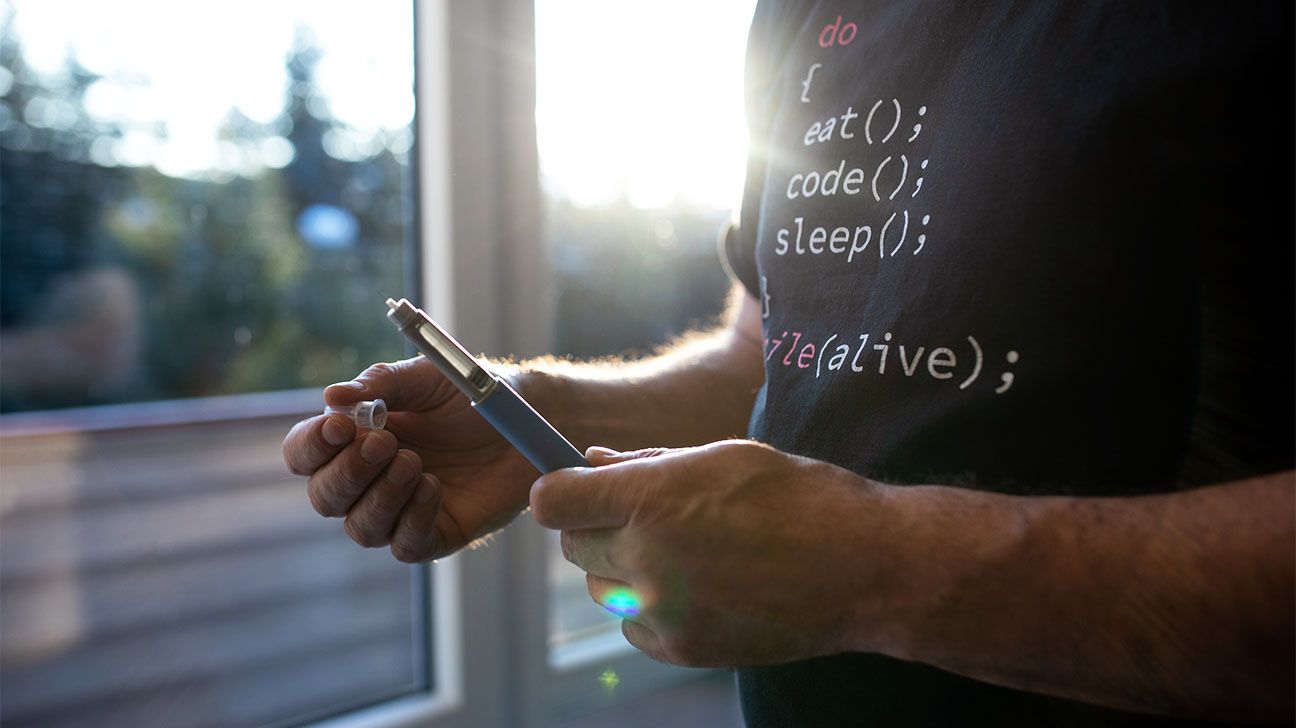
Doctors typically follow a the drug’s recommended titration schedule. But, they may adjust the timing based for certain reasons, such as:
- You have completed the initial 4-week adjustment period: Most GLP-1 medications used for weight loss, such as Wegovy and Zepbound, start at a low starting dose for at least one month to let your body get used to the drug. After this, your doctor will likely increase your dose.
- Your weight loss has plateaued: If your weight loss stalls for several weeks despite consistent diet changed and increased physical activity along with your medication, a higher dose may be needed to re-stimulate your metabolism and appetite suppression.
- “Food noise” or hunger has returned: A sign that a dose is no longer sufficient is the return of intrusive thoughts about food or a noticeable decrease in feelings of fullness after meals.
- Side effects have resolved: Doctors are more likely to increase your dose once any initial digestive issues, such as mild nausea or constipation, have subsided.
While every person is different, most GLP-1s for weight loss follow a structured step-up dosing schedule.
- Wegovy:
- Usually Wegovy injections start at 0.25 milligrams (mg) given once weekly, increasing every 4 weeks through doses of 0.5 mg, 1.0 mg, and 1.7 mg, and eventually reaching a maintenance dose of 2.4 mg.
- For the oral tablet form of Wegovy, the starting dose is 1.5 mg once per day for 30 days. Then it increases to 4 mg once daily for 30 days, then 9 mg once daily for 30 days, and then reaching a maintenance dose of 25 mg once daily.
- Zepbound: Generally begins at 2.5 mg given once weekly, with the potential to increase by 2.5 mg every 4 weeks until reaching an effective maintenance dose, which can range from 5 mg to 15 mg.
If you feel your current dose is no longer effective or if side effects are becoming difficult to manage, schedule a follow-up appointment with your doctor to discuss whether an adjustment is needed.
Medical Perspective“When giving yourself a subcutaneous injection, rotate the injection site each time by using different areas such as the abdomen, thigh, or upper arm. Let the medication reach room temperature before injecting to help reduce discomfort.”
Learn more about how and where to inject Wegovy for weight loss.
Quotes represent the opinions of our medical experts. All content is strictly informational and should not be considered medical advice.
If you are currently using a GLP-1 medication for weight loss, talk with your doctor about your dosage and dosing schedule. They can recommend the best dose for you based on your individual response to the drug.