














You should store Zepbound single-dose pens or vials in the refrigerator at 36°F to 46°F (2°C to 8°C). But if needed, you can store them unrefrigerated for up to 21 days. During that time, they should remain at a room temperature that doesn’t exceed 86°F (30°C).
Zepbound (tirzepatide) has two approved uses, which are to:
- reduce body weight and maintain slow, sustainable weight loss long term in adults with obesity or adults with overweight who also have at least one weight-related condition
- treat moderate to severe obstructive sleep apnea in adults with obesity
Doctors prescribe Zepbound for both uses with a balanced, reduced-calorie diet and increased physical activity.
Continue reading to learn about precautions for storing Zepbound safely.
Note: The storage information in this article applies to Zepbound. Generally, it also applies to storing compounded tirzepatide. But the Food and Drug Administration (FDA) has not approved compounded drugs. As such, they don’t come with a package insert or prescribing information that provides storage tips and other facts about the drug. So ask your doctor how to store the compounded drug safely.
No, you shouldn’t. Once you store Zepbound at room temperature, do not return it to the refrigerator. Instead, dispose of the medication following your community guidelines. You can also check the:
- Drug Enforcement Administration’s site for drug take-back locations available year-round in the United States
FDA’s drug disposal site to learn about the safe disposal of medications
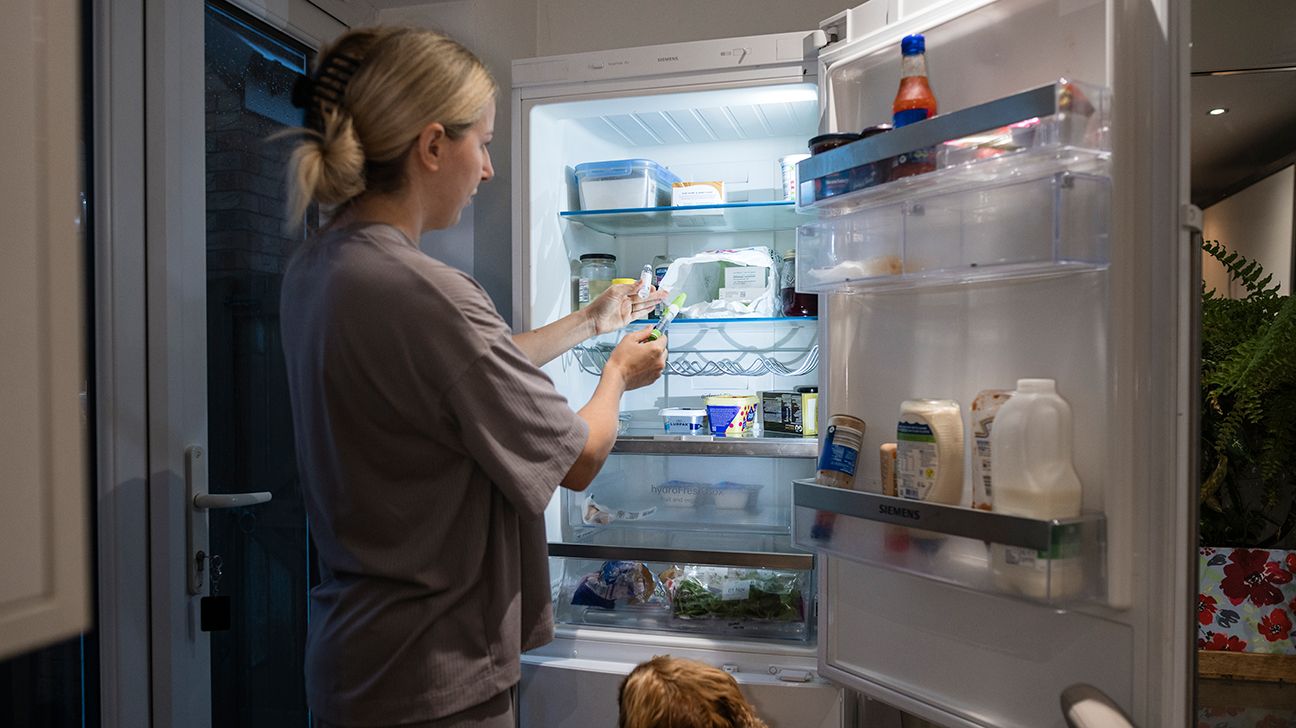
Do not allow Zepbound to freeze. The manufacturer suggests not using Zepbound if it has frozen. Instead, dispose of the medication following your community guidelines or check the resources in the section above.
You must usually store Zepbound single-dose pens or vials in the refrigerator. If needed, though, you can store them unrefrigerated for up to 21 days. If you keep them out of the fridge, ensure that they remain at a room temperature that doesn’t exceed 86°F (30°C).
Do not freeze Zepbound or return it to the refrigerator once you store it at room temperature. Dispose of the medication following your local community guidelines.
Disclaimer: Healthline has made every effort to make certain that all information is factually correct, comprehensive, and up to date. However, this article should not be used as a substitute for the knowledge and expertise of a licensed healthcare professional. You should always consult your doctor or another healthcare professional before taking any medication. The drug information contained herein is subject to change and is not intended to cover all possible uses, directions, precautions, warnings, drug interactions, allergic reactions, or adverse effects. The absence of warnings or other information for a given drug does not indicate that the drug or drug combination is safe, effective, or appropriate for all patients or all specific uses.