














Key takeaways
- Mounjaro is a prescription injection that can be used to help manage blood sugar levels in adults with type 2 diabetes.
- It can be administered as an injection under the skin in your abdomen, thigh, or upper arm. Be sure to rotate the injection sites with each dose to help prevent skin irritation at the site.
- Mounjaro comes as single-dose, prefilled pens, so no mixing is required before you give your dose.
Mounjaro is approved by the Food and Drug Administration (FDA) to help adults with type 2 diabetes manage blood sugar levels. It’s used in combination with diet and exercise.
It comes as a liquid solution in a prefilled pen that you inject under your skin.
You can inject Mounjaro at a few different injection sites. Keep reading to learn about the best places to inject Mounjaro, the best time of day to give your dose, and more about how to use the drug.
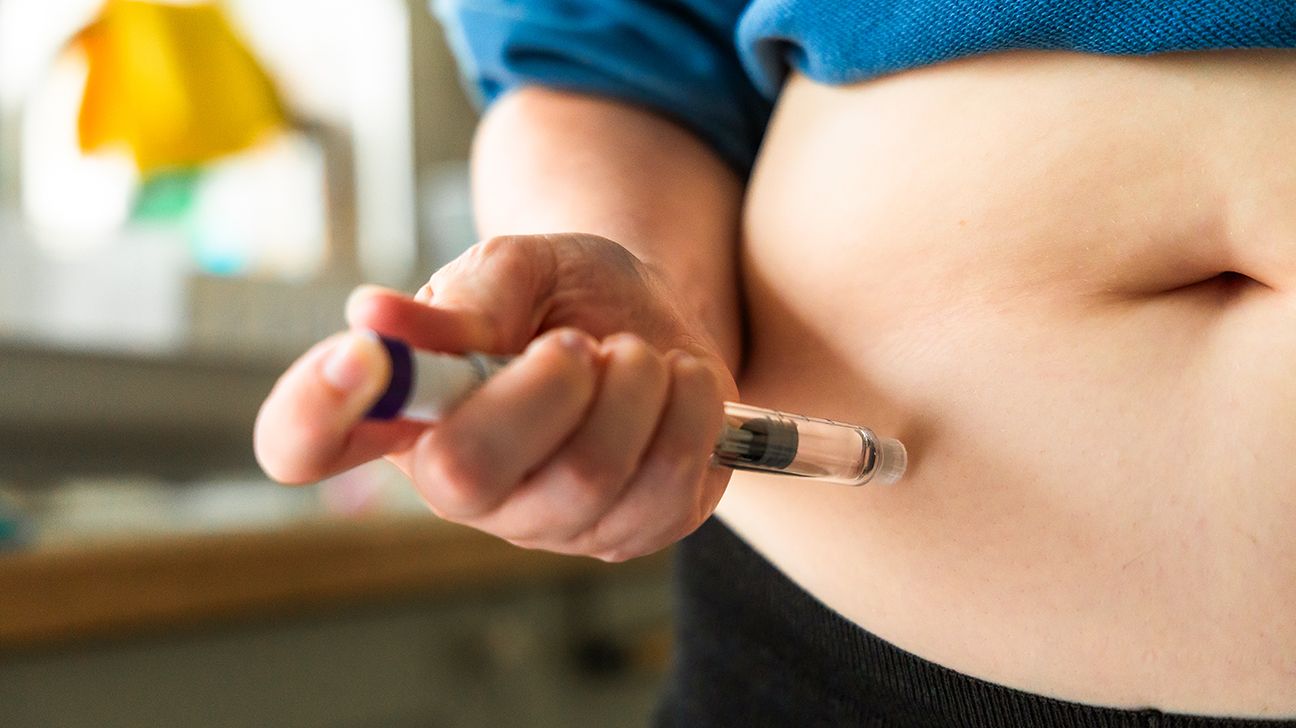
Mounjaro can be injected into your:
- abdomen (at least 2 inches from your belly button)
- thigh (middle third of the front of your thigh)
- upper arm
You can give the injection into your abdomen or thigh yourself, but you’ll need someone else (a caregiver) to give you the injection in your upper arm.
It is best to rotate the areas where you inject the drug to help prevent skin irritation at the injection site. Your thighs and abdomen typically have a larger surface area than your upper arm, which means there are more injection site options.
There isn’t a best time of day to inject Mounjaro. You’ll usually inject a dose once per week at any time of day. It doesn’t matter whether you eat around the time you inject your dose.
It may be best to use Mounjaro around the same time each week, on a consistent schedule. This helps keep a steady level of the drug in your body, which helps Mounjaro work effectively.
Mounjaro comes as a liquid solution that’s given as an injection under your skin using single-dose, prefilled pens.
Before you start your Mounjaro treatment, your doctor or pharmacist can show you how to inject the drug. The drug manufacturer lists four steps to follow when using Mounjaro pens:
- Choose your injection site.
- Pull off the pen’s base cap. (Mounjaro comes a single-dose pen, so it doesn’t require any mixing.)
- Place the pen’s base flat on your skin and unlock the pen.
- Press and hold the pen’s button for up to 10 seconds. You’ll hear two clicks. The first one indicates the injection has started, and the second one indicates the injection is complete.
For more details on instructions and a video on how to use Mounjaro, see the drug manufacturer’s website.
Use with other drugs
If you also use insulin, you can administer Mounjaro and insulin at the same time. You may inject both within the same body area, such as your abdomen. But you should not use the same exact spot. Instead, be sure to administer them at least a few inches apart.
Mounjaro is a prescription drug used to help manage blood sugar levels in adults with type 2 diabetes. It comes as a liquid solution in single-dose, prefilled pens.
Mounjaro is given as an injection under your skin and can be administered in your abdomen, thigh, or upper arm. There’s no best time of day to use the medication. It is usually given once per week.
If you have questions about how to use Mounjaro, talk with your doctor or pharmacist. You can also visit the manufacturer’s site for more information.
Disclaimer: Healthline has made every effort to make certain that all information is factually correct, comprehensive, and up to date. However, this article should not be used as a substitute for the knowledge and expertise of a licensed healthcare professional. You should always consult your doctor or another healthcare professional before taking any medication. The drug information contained herein is subject to change and is not intended to cover all possible uses, directions, precautions, warnings, drug interactions, allergic reactions, or adverse effects. The absence of warnings or other information for a given drug does not indicate that the drug or drug combination is safe, effective, or appropriate for all patients or all specific uses.