














Key takeaways
- Meloxicam is a prescription non-steroidal anti-inflammatory drug (NSAID) used to relieve pain and inflammation in animals, including cats.
- Meloxicam belongs to the NSAIDS drug class.
- You may be able to save on the price of the drug for your cat with a savings program.
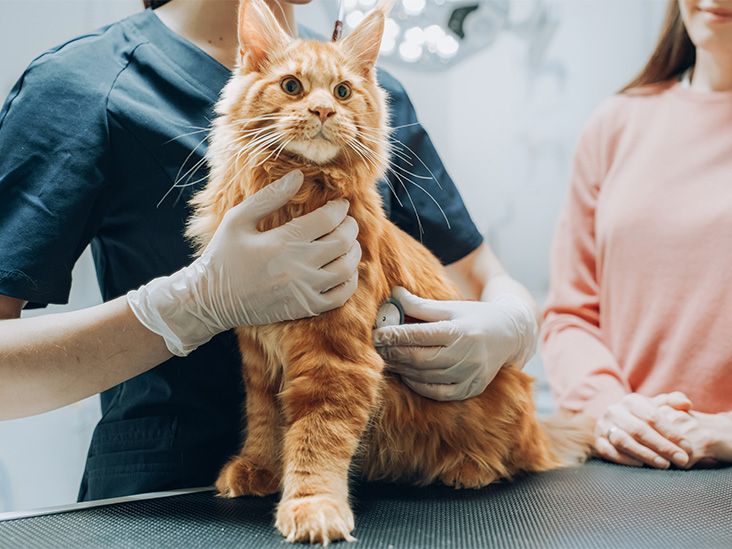
In cats, meloxicam is most often prescribed to relieve pain.
In the U.S., injectable meloxicam (Metacam) is Food and Drug Administration (FDA)-approved for single-dose postoperative pain and inflammation in cats. It may be prescribed off label for oral administration as pill or liquid.
There may be certain instances where veterinarians prescribe meloxicam for longer than a single dose, but the drug has a
Meloxicam works by inhibiting a certain chemical in your cat’s body called cyclooxygenase-2 (COX 2) inhibitor, an enzyme that’s responsible for pain and inflammation. By blocking the activity of COX enzymes, meloxicam reduces the production of prostaglandins that contribute to pain and inflammation.
Disclaimer: This article discusses pet medications. Never use human medications for pets or pet medications for humans; dosages, strengths, and ingredients may differ and can cause serious harm. Always use medications under the guidance of a licensed veterinarian or doctor.
Meloxicam may cause mild to serious side effects in cats. Your veterinarian can tell you more about the potential side effects of meloxicam. They can also suggest ways to help reduce side effects.
Side effects of meloxicam that have been reported include:
- gastrointestinal (GI) side effects, such as vomiting, diarrhea, and loss of appetite
- kidney problems
- weight loss
- lethargy
- dehydration
- GI ulceration
- black, tarry stools
If your cat develops vomiting, diarrhea, decreased appetite, or other concerning symptoms after receiving meloxicam, contact your veterinarian right away.
Typically, cats are not covered under your personal or family health insurance plan. However, if you have pet insurance, it may cover a part or all of your cat’s medication.
To find out if your pet insurance covers your cat’s medication, talk with an insurance representative.
If you don’t have pet insurance, you may need to pay out of pocket for your cat’s medication. Coupons, such as those available at Optum Perks, may be able to help lower the cost of meloxicam. (Note: Optum Perks is a sister site of Healthline.)
For the best price on your pet’s prescription, you may also want to compare pharmacies. The price of meloxicam may vary depending on which pharmacy you use, so it can help to compare prices across pharmacies to find the lowest cost.
Your veterinarian may prescribe meloxicam to relieve your cat’s pain, especially following a surgery. It may cause certain side effects, so your vet will monitor your pet during treatment. You may be able to save on the cost of the drug through pet insurance (if you have it), coupons, and pharmacy comparisons.