Key takeaways
- Otezla (apremilast) is a prescription medication used to manage plaque psoriasis, psoriatic arthritis, and mouth sores related to Behçet’s disease by reducing immune system activity. It’s available as an oral tablet (Otezla) and an extended-release oral tablet (Otezla XR).
- Common side effects of Otezla include weight loss, diarrhea, and depression. You may need regular monitoring and consultation with a doctor to manage your symptoms or adjust your Otezla treatment.
- Otezla interacts with certain medications, such as those affecting specific enzymes, which can reduce its effectiveness. Be sure to discuss all drugs and supplements you take with your doctor.
Otezla is used to treat:
- plaque psoriasis in adults and certain children
- psoriatic arthritis in adults and certain children
- mouth sores in adults with Behçet’s disease
To learn more about this drug’s uses, see the “Otezla uses” section.
Note: Otezla comes in two forms: an oral tablet (Otezla) and an extended-release oral tablet (Otezla XR). With extended-release tablets, the medication is released slowly into your body over time. Unless otherwise noted, information in this article refers to both forms of Otezla.
Otezla basics
Otezla contains the active ingredient apremilast. It belongs to a class of drugs called phosphodiesterase-4 (PDE4) inhibitors.
Otezla is a brand-name medication. A generic version of the drug isn’t currently available.
Costs of prescription drugs can vary depending on many factors. These factors include what your insurance plan covers, and which pharmacy you use.
Otezla’s manufacturer offers a co-pay program, which could lower your cost for the drug.
Discover more about Otezla

If you have questions about how to pay for your prescription, talk with your doctor or pharmacist.
Like most drugs, Otezla may cause mild to serious side effects. The following lists describe some of the more common side effects this drug can cause, but they don’t include all possible side effects.
Your doctor or pharmacist can tell you more about the potential side effects of Otezla. They can also suggest ways to help reduce or manage them.
Mild side effects
Here’s a short list of some of the mild side effects Otezla can cause. To learn about other mild side effects, talk with your doctor or pharmacist, or read Otezla’s prescribing information.
Mild side effects of Otezla can include:
Mild side effects of many drugs may go away within a few days to a couple of weeks. If they become bothersome, talk with your doctor or pharmacist.
Serious side effects
Serious side effects from Otezla can occur, but they aren’t common. If you have serious side effects from this medication, call your doctor right away. If you think you’re having a medical emergency, call 911 or your local emergency number.
Serious side effects from Otezla can include:
- severe abdominal pain
- severe nausea and vomiting
- severe headache
- severe weight loss*
- severe diarrhea*
- depression*
- allergic reaction*
* For more information about this side effect, see the following “Side effect focus” section.
Side effect focus
Following are some of the side effects Otezla may cause and things that might help. See this article for more information on the side effects of Otezla.
Weight loss
You may lose your appetite while taking Otezla. You may also lose weight. Weight loss was also reported in children taking Otezla.
Be sure to tell your doctor if you lose three pounds (lb) or more in 7 days or less. Talk with your child’s doctor if they lose body weight while taking Otezla.
Changes that may occur with weight loss include having:
- loose clothes or jewelry
- dry skin
- weakness
- fatigue
- dizziness
- increased thirst
What might help
Your doctor may monitor your weight while you’re taking this drug. They might also ask you to check your weight at home.
If you notice that you’re losing weight without trying, talk with your doctor. Tell them if your weight loss is happening because of severe nausea, vomiting, or diarrhea. In some cases, they may have you stop taking Otezla, but do not stop taking this medication without talking with your doctor first.
To help manage weight loss, your doctor may recommend that you eat plenty of nutritious calories every day. To regain weight that you’ve lost, try to avoid eating empty calories. Instead, choose foods that are high in calories and nutrients. If you have difficulty choosing nutritious foods to eat, talk with your doctor.
If your child is taking Otezla, their doctor will likely monitor their weight and height for unexpected changes. If they do notice changes, your child’s doctor will likely recommend that your child stop taking Otezla. Do not make any changes to your child’s treatment plan without first talking with their doctor.
Depression
Some people may experience depression or changes in mood while taking Otezla. This may be more common in people who’ve had depression in the past.
If you have or have had depression, let your doctor know before starting this medication.
Be sure to monitor your moods while taking Otezla. Talk with your doctor right away if you have any changes in mood, feelings of depression, or suicidal thoughts.
What might help
If you’ve had depression in the past, your doctor will consider the risks and benefits of prescribing Otezla for you. If the benefits of Otezla treatment outweigh the risks, your doctor will likely prescribe the drug. They’ll monitor your mood regularly.
It’s important to identify depression early. Doing so can help reduce the harmful effects of depression.
If you have Otezla-related depression, your doctor may prescribe counseling or medications to treat it. If needed, your doctor may have you stop taking Otezla, but do not stop taking this drug without talking with them first.
Help is out there
If you or someone you know is in crisis and considering suicide or self-harm, please seek support:
- Call or text the 988 Suicide and Crisis Lifeline at 988 or chat at 988lifeline.org. Caring counselors are available to listen and provide free and confidential support 24/7.
- Text HOME to the Crisis Text Line at 741741 to connect with a volunteer crisis counselor for free and confidential support 24/7.
- Not in the United States? Find a helpline in your country with Befrienders Worldwide.
- Call 911 or your local emergency services number if you feel safe to do so.
If you’re calling on behalf of someone else, stay with them until help arrives. You may remove weapons or substances that can cause harm if you can do so safely.
If you’re not in the same household, stay on the phone with them until help arrives.
Diarrhea
Diarrhea is the most common side effect of Otezla. With diarrhea, you may have more frequent, loose, or watery stools.
Some people may have severe diarrhea while taking Otezla. With severe diarrhea, you can have:
- fever
- blood in your stool
- less urine production
- thirst
- dizziness
Tell your doctor if you have diarrhea or any of these other symptoms during treatment.
You may have a higher risk of complications from severe diarrhea if you:
- are older in age
- take blood pressure medications
- take medications that lower the volume of fluid in your blood
What might help
If you have diarrhea while taking Otezla, you’ll need to replace fluid and electrolytes your body is losing, as this can lead to dehydration.
For diarrhea that’s not severe, you can rehydrate by drinking diluted fruit juice or electrolyte drinks. Eating foods that are low in fiber may also help.
Some foods that may help improve diarrhea include:
- bananas
- toast
- oatmeal
- white rice
- applesauce
- soup or broth
Certain over-the-counter medications may also help treat diarrhea. Be sure to talk with your doctor or pharmacist before taking any medications with Otezla.
For severe diarrhea, you may need intravenous (IV) fluids and electrolytes. (You’ll receive IV fluids as an injection into a vein given over a period of time.)
If you have severe diarrhea with Otezla, call your doctor. They may lower your dosage of the drug or have you stop taking Otezla, but do not stop this medication without talking with them first.
Allergic reactionFor some people, Otezla can cause an allergic reaction. This side effect wasn’t reported in the drug’s studies, but has occurred since Otezla was approved for use.
In general, symptoms of an allergic reaction can be mild or serious.
What might help
If you have mild symptoms of an allergic reaction, such as a mild rash, call your doctor right away. They may suggest a treatment to manage your symptoms and can determine whether you should keep taking Otezla.
If you have symptoms of a severe allergic reaction, such as swelling or difficulty breathing, call 911 or your local emergency number right away. These symptoms could be life threatening and require immediate medical care.
If your doctor confirms you’ve had a serious allergic reaction to Otezla, they may have you switch to a different treatment.
Your doctor may prescribe Otezla for you if you have certain conditions. This drug is used in adults to treat:
- Plaque psoriasis: With plaque psoriasis, you have patches on your skin that are discolored. Sometimes, they can look scaly and silvery-white or gray. This condition is an inflammatory skin disease that’s caused by your immune system attacking your own cells. For this use, Otezla is prescribed for people who could have used systemic therapy (which affects your whole body) or light therapy.
- Psoriatic arthritis: With psoriatic arthritis, you have arthritis, which causes achy, stiff joints, as well as psoriasis, which causes the skin issues described just above. This condition is also caused by your immune system attacking certain cells in your body.
- Mouth sores in people with Behçet’s disease: With Behçet’s disease, you can have several symptoms, such as joint pain and problems with your eyes and skin. Mouth sores are one of the earliest symptoms of the condition. Otezla can be used to treat these mouth sores. Behçet’s disease is also caused by your immune system attacking certain cells in your body.
Otezla is also used in certain children ages 6 years and older to treat active psoriatic arthritis (PsA) and plaque psoriasis that’s moderate to severe.
- For active PsA:
- Otezla is used in children weighing at least 20 kilograms (kg).*
- Otezla XR is used in children weighing at least 50 kg.
- For moderate to severe plaque psoriasis:
- Your child’s doctor may prescribe Otezla for this purpose if your child could have used systemic therapy or light therapy instead.
- The maintenance dosage for children weighing 20 kg to less than 50 kg is Otezla 20 mg twice daily.
- The maintenance dosage for children weighing 50 kg or more can be either Otezla 30 mg twice daily or Otezla XR 75 mg once daily.
Otezla treats these conditions by helping to lower the activity of the immune system.
* One kg equals approximately 2.2 pounds (lb).
Here are answers to some commonly asked questions about Otezla.
Is Otezla an immunosuppressant?
Yes, Otezla is an immunosuppressant drug. Its mechanism of action (how it works) is by suppressing (reducing) your immune system’s activity. This reduces inflammation caused by your immune system and eases symptoms of your condition.
If you have more questions about Otezla’s mechanism of action, talk with your doctor or pharmacist or check out this article on how Otezla works.
Is Otezla a steroid? A biologic?
No, Otezla isn’t a steroid. It’s also not a biologic drug. Biologics are drugs made from living cells. They work against a specific part of your immune system. Certain nonbiologic drugs (which are made from chemicals), including Otezla, also act on your immune system.
If you have more questions about how Otezla works, talk with your doctor or pharmacist.
How does Otezla compare to Humira?
Otezla and Humira are both used to treat plaque psoriasis and psoriatic arthritis in adults and certain children. They each also have other uses.
Humira is a biologic drug, which means it’s made from parts of living cells. Otezla, on the other hand, is made from chemicals.
Otezla comes as tablets you take by mouth, typically twice each day. Humira is taken as an injection under your skin, typically once every 2 weeks after the first week of treatment.
For more information about how these drugs compare, talk with your doctor, or check out this Otezla vs. Humira article.
Does stopping Otezla cause withdrawal?
If you stop taking Otezla, you likely won’t have withdrawal symptoms. But the symptoms you were taking Otezla to treat may return.
Talk with your doctor before stopping Otezla. They can tell you what to expect if you quit taking this medication.
In some cases, your doctor may recommend that you take a drug other than Otezla, depending on the condition you’re treating.
Alternatives for plaque psoriasis, psoriatic arthritis, or mouth ulcers caused by Behçet’s disease may include biologics and nonbiologics. Biologics are drugs made from parts of living cells. Nonbiologics are drugs made from chemicals.
Some of the drugs listed here are used off-label for these conditions. With off-label use, a drug is used for a condition it hasn’t been approved to treat.
Alternatives for plaque psoriasis or psoriatic arthritis
Alternative drugs for plaque psoriasis or psoriatic arthritis include the following:
Alternatives for mouth sores from Behçet’s disease
Alternative treatments for mouth ulcers related to Behçet’s disease include:
- other nonbiologic drugs such as:
- azathioprine (Azasan, Imuran)
- cyclosporine (Neoral)
- cyclophosphamide (Cytoxan)
- corticosteroids, such as triamcinolone, betamethasone, dexamethasone, and prednisone
- biologic drugs such as:
- magic mouthwash
If you’d like to know more about treatments other than Otezla, talk with your doctor. They can help you find the treatment that’s best for you.
Before starting Otezla, talk with your doctor about whether this drug is right for you. Let them know if you’re taking any other medications, as certain drugs may interfere with how Otezla works. Other considerations you’ll need to discuss with your doctor may include whether you’re pregnant or breastfeeding, or have any other medical conditions.
Interactions
Taking medications, vaccines, foods, and other things with a certain drug can affect how the drug works. These effects are called interactions.
Before taking Otezla, be sure to tell your doctor about all medications you take, including prescription and over-the-counter types. Also describe any vitamins, herbs, or supplements you use. Your doctor or pharmacist can tell you about any interactions these items may cause with Otezla.
For more information, see this in-depth Otezla interactions article.
Interactions with drugs or supplements
Otezla can interact with drugs that affect a certain enzyme (type of protein) in your body. This enzyme helps your body to clear many different medications, including Otezla. Drugs that boost the activity of this enzyme may decrease levels of Otezla in your body. This can make Otezla less effective.
Examples of drugs that may make Otezla less effective include:
- the antibiotic rifampin (Rifadin)
- the seizure drugs:
- phenobarbital
- carbamazepine (Tegretol)
- phenytoin (Dilantin)
This list does not contain all types of drugs that may interact with Otezla. Your doctor or pharmacist can tell you more about these interactions and any others that may occur with Otezla use.
Other interactions
In addition to the drugs mentioned above, some natural health products and foods may also make Otezla less effective. These substances include the herb St. John’s wort.
Check with your doctor or pharmacist before taking any supplements with Otezla. If you have concerns about consuming certain foods or drinks with Otezla, talk with your doctor or pharmacist.
Warnings
Otezla may not be right for you if you have certain medical conditions or other factors that affect your health. Talk with your doctor about your health history before starting Otezla. Factors to consider include those listed here.
- depression or a history of suicidal thoughts
- severe kidney failure
- previous allergic reaction to Otezla or any of its ingredients
- pregnancy
- breastfeeding
Otezla and alcohol
Alcohol interacts with certain medications, but it doesn’t interact with Otezla. If you drink alcohol, ask your doctor about how much is safe to consume while you’re taking this medication.
If you can become pregnant or are breastfeeding, it’s important to consider whether Otezla is a safe choice for you.
You can refer to this Otezla reproductive health article for more information.
If you have additional questions, talk with your doctor or pharmacist.
Your doctor will recommend the dosage of Otezla that’s right for you or your child. What’s shown here are commonly used dosages, but always take the dosage your doctor prescribes.
Forms and strengths
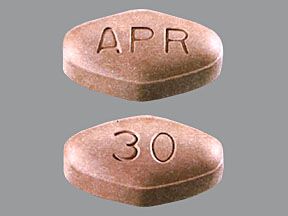
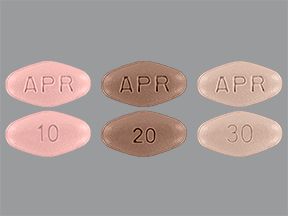
Otezla is available as an oral tablet in three strengths: 10 milligrams (mg), 20 mg, and 30 mg.
Otezla XR is available as an extended-release oral tablet in one strength of 75 mg. (With extended-release tablets, the medication is released slowly into your body over time.)
Recommended dosages for adults
What’s covered here are commonly prescribed dosages of Otezla and Otezla XR, but the dosage you receive will be determined by your doctor.
If you have severe kidney failure, your doctor may prescribe a lower dosage of Otezla for treating your condition. Otezla XR is not recommended for people with severe kidney failure.
Talk with your doctor if you have questions about your Otezla dosage.
Dosage for plaque psoriasis in adults
For treatment of plaque psoriasis in adults, Otezla is usually taken twice per day. You’ll likely take the drug once in the morning and once in the evening. See the following chart for details.
| Day | Dosage |
|---|---|
| Day 1 | • 10 mg a.m. dose • no p.m. dose |
| Day 2 | • 10 mg a.m. dose • 10 mg p.m. dose |
| Day 3 | • 10 mg a.m. dose • 20 mg p.m. dose |
| Day 4 | • 20 mg a.m. dose • 20 mg p.m. dose |
| Day 5 | • 20 mg a.m. dose • 30 mg p.m. dose |
| Day 6 and beyond (maintenance dosing) | • 30 mg a.m. dose • 30 mg p.m. dose or • 75-mg Otezla XR once daily |
Dosage for psoriatic arthritis in adults
For the treatment of psoriatic arthritis in adults, the dosage and dosing schedule of Otezla and Otezla XR are the same as for the treatment of plaque psoriasis. See the preceding chart for details.
Dosage for mouth sores in adults with Behçet’s disease
For the treatment of mouth sores in adults with Behçet’s disease, the dosage and dosing schedule of Otezla and Otezla XR are the same as for the treatment of plaque psoriasis. See the preceding chart for details.
Recommended dosages for children
What’s covered here are commonly prescribed pediatric dosages of Otezla and Otezla XR, but the dosage your child receives will be determined by their doctor.
If your child has severe kidney failure, their doctor may prescribe a lower dosage of Otezla for treating their condition. Otezla XR is not recommended for anyone with severe kidney failure.
Talk with your doctor if you have questions about your child’s Otezla dosage.
For the treatment of plaque psoriasis in certain children, your child’s doctor will likely prescribe a dosage based on your child’s body weight.
Your child’s doctor will likely recommend a starting dosage schedule and a maintenance dosage. See the following chart for details.
| Day | Dosage for children weighing 20 kg to less than 50 kg | Dosage for children weighing 50 kg or more |
|---|---|---|
| Day 1 | • 10 mg a.m. dose • no p.m. dose | • 10 mg a.m. dose • no p.m. dose |
| Day 2 | • 10 mg a.m. dose • 10 mg p.m. dose | • 10 mg a.m. dose • 10 mg p.m. dose |
| Day 3 | • 10 mg a.m. dose • 20 mg p.m. dose | • 10 mg a.m. dose • 20 mg p.m. dose |
| Day 4 | • 20 mg a.m. dose • 20 mg p.m. dose | • 20 mg a.m. dose • 20 mg p.m. dose |
| Day 5 | • 20 mg a.m. dose • 20 mg p.m. dose | • 20 mg a.m. dose • 30 mg p.m. dose |
| Day 6 and beyond (maintenance dosing) | • 20 mg a.m. dose • 20 mg p.m. dose | • 30 mg in the morning • 30 mg in the evening or • 75 mg Otezla XR once per day |
Dosage for psoriatic arthritis in children
For the treatment of psoriatic arthritis in children, the dosage and dosing schedule of Otezla and Otezla XR are the same as for the treatment of plaque psoriasis. See the preceding chart for details.
Note: Otezla is not approved for treating mouth sores related to Behçet’s disease in children.
Your doctor will explain how you should take Otezla, including how much to take and how often. Be sure to follow their instructions.
Taking Otezla
Otezla comes as tablets that you’ll take by mouth.
Taking Otezla with other drugs
Sometimes doctors prescribe Otezla together with other medications. For example, if you have:
- plaque psoriasis, your doctor may prescribe Otezla with infliximab (Remicade), adalimumab (Humira), or ustekinumab (Stelara)
- psoriatic arthritis, your doctor may prescribe Otezla with methotrexate or cyclosporine
- Behçet’s disease, your doctor may prescribe Otezla with prednisone or magic mouthwash
Questions about taking Otezla
Here you’ll find answers to some common questions about Otezla.
What if I miss a dose of Otezla?
If you miss a dose of Otezla, take the missed dose right away. If you don’t remember to take the missed dose until it’s time for your next dose, just skip the missed dose and take your next dose as usual. Do not take two doses at once to catch up for a missed dose.
Will I need to take Otezla long term?
Otezla is used to treat certain long-lasting conditions. If the drug is working well for you, your doctor may recommend that you take Otezla long term.
Can Otezla be chewed, crushed, or split?
No, you shouldn’t chew, crush, or split Otezla tablets or Otezla XR (extended-release tablets). If you have difficulty swallowing Otezla pills, let your doctor or pharmacist know. You can also check out these tips for swallowing pills.
Should I take Otezla with food?
You can take Otezla with or without food.
How long does Otezla take to work?
How long it takes for Otezla to work is different for each condition it’s used to treat. In studies, some people with plaque psoriasis or psoriatic arthritis had improvements after just 16 weeks. Some people with Behçet’s disease had improvements after 12 weeks. Talk with your doctor to learn how soon Otezla may work for your condition.
Do not take more Otezla than your doctor prescribes, as this can lead to serious side effects.
What to do in case you take too much Otezla
Call your doctor right away if you think you’ve taken too much Otezla. You can also call 800-222-1222 to reach America’s Poison Centers or use its online resource. However, if you have severe symptoms, immediately call 911 (or your local emergency number), or go to the nearest emergency room.
Disclaimer: Healthline has made every effort to make certain that all information is factually correct, comprehensive, and up to date. However, this article should not be used as a substitute for the knowledge and expertise of a licensed healthcare professional. You should always consult your doctor or another healthcare professional before taking any medication. The drug information contained herein is subject to change and is not intended to cover all possible uses, directions, precautions, warnings, drug interactions, allergic reactions, or adverse effects. The absence of warnings or other information for a given drug does not indicate that the drug or drug combination is safe, effective, or appropriate for all patients or all specific uses.