














When a child is sick, having them take their medication can be just as important as ensuring they eat well and get enough rest. But for many families, getting kids to actually swallow their medication can be challenging.
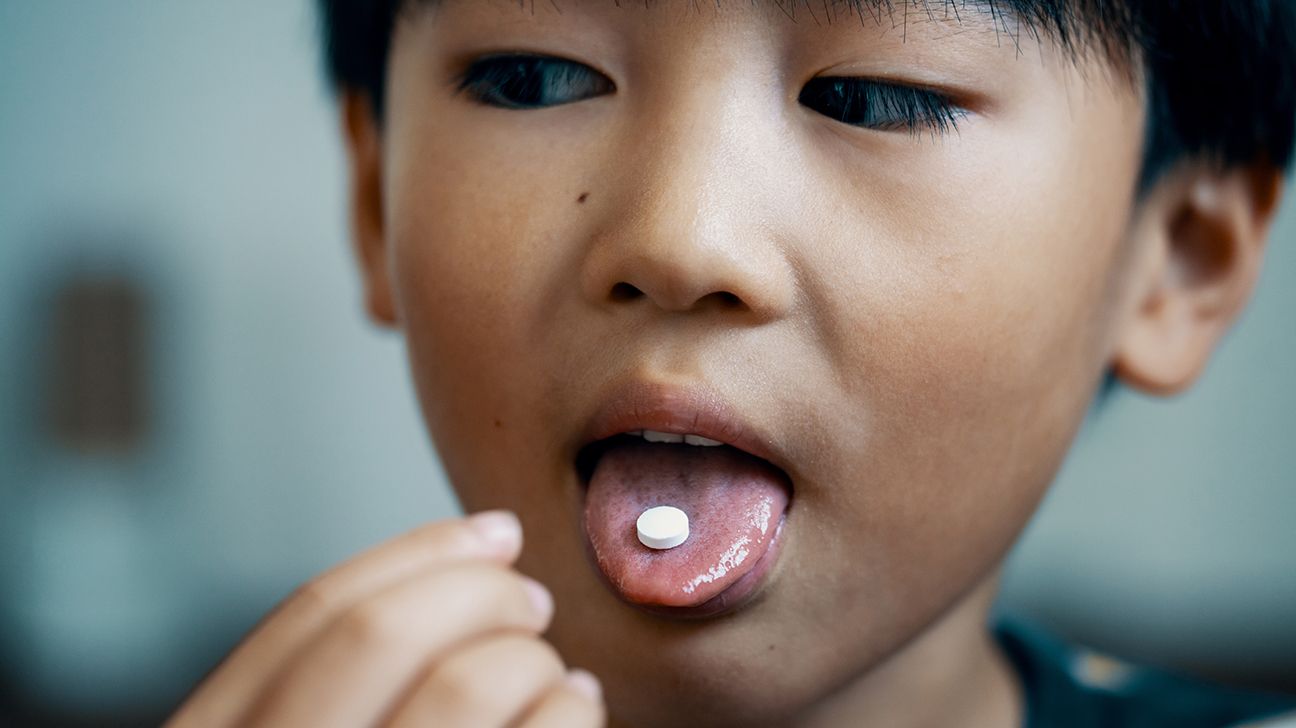
Children have difficulty with or refuse medication for several reasons. These include:
- taste (such as bitter) and texture (such as chalky)
- fear of choking
- difficulty swallowing
- globus sensation (a lump-in-the-throat feeling caused by anxiety or fear about swallowing)
- emotional overreaction (such as crankiness or anxiousness) caused by feeling unwell
Your child’s developmental stage may also affect their willingness to take medication. Young children may not yet have the skills to swallow pills or understand why medication is necessary.
Understanding your child’s specific barrier is the first step to finding the right solution.
Here are some kid-friendly tips to help make the medication-taking process easier and less stressful for all involved.
Practice with candy
Before they try swallowing real pills, have your child practice with candy. Start with tiny candies like sprinkles or Nerds, then work up to slightly bigger ones like mini M&Ms. Have them put a piece of candy on their tongue, take a sip of water, and swallow everything in one gulp. Have them practice for several minutes each day to build their confidence over time.
Turn it into a game
Turning medication time into playtime can make it less daunting. Suggest that your child pretend to be a doctor giving medicine to their stuffed animals or dolls, or let your child be the doctor treating you.
You can also make up stories where the medicine is a magic potion or a superpower pill that helps fight off the bad guys (germs) inside their body.
Encouraging your child to be a medicine hero who bravely takes medicine to get stronger can help them feel proud instead of scared.
Make it taste better
If the medication is a liquid, your pharmacist may be able to add flavors like bubblegum or grape.
If your child is taking a capsule, it’s sometimes okay to open it and sprinkle the contents onto a spoonful of applesauce or pudding. But be sure to check with your pharmacist before doing this, as many medications need to stay in capsule form.
You can also ask your doctor or pharmacist about
Give your child choices
Giving your child a sense of ownership over taking their medication can change their response to the process. Maybe they can choose a special cup to use, the time of day they take their dose, or the place or seat in the house they take it. Maybe they can choose a small item from a specially made treat basket that they’ll receive once they’ve swallowed their dose.
Sometimes, just letting them hold the medicine cup or straw can give them a feeling of independence and success.
Use positive rewards
Consider creating a chart and adding a sticker each time your child takes a dose of their medication, marking their progress toward a reward. The prize doesn’t have to be a toy. It can be extra playtime, a trip to the park, or an extra bedtime story.
Seeing the stickers accumulate will give your child a sense of pride and success and motivate them to finish taking all their medication.
If your child consistently refuses medication, vomits after swallowing attempts, or feels extreme anxiety, speak with their pediatrician. In some cases, there may be alternatives like chewables, dissolvable strips, liquids, or patches.
Never alter medication on your own. Always check with a healthcare professional first to make sure it’s safe for the particular medication your child needs to take. For instance, crushing or splitting pills can sometimes make them unsafe. And some pills need to be taken on an empty stomach, so putting them in food can cause them not to work effectively.
Disclaimer: Healthline has made every effort to make certain that all information is factually correct, comprehensive, and up to date. However, this article should not be used as a substitute for the knowledge and expertise of a licensed healthcare professional. You should always consult your doctor or another healthcare professional before taking any medication. The drug information contained herein is subject to change and is not intended to cover all possible uses, directions, precautions, warnings, drug interactions, allergic reactions, or adverse effects. The absence of warnings or other information for a given drug does not indicate that the drug or drug combination is safe, effective, or appropriate for all patients or all specific uses.