














The Fast Facts
- Rich holiday foods and drinks outside your norm can cause seasonal bloating, indigestion, gas, constipation, or diarrhea.
- The provided options to keep your gut calm are meant to be chosen from. It is not advisable to try all or multiple digestive aids concurrently.
- We recommend probiotic gummies and refreshments, digestible enzymes, and even a plant-based flour that’s a prebiotic.

*This article provides general information and is not a substitute for personalized medical advice. Consult a healthcare professional before making significant dietary changes.
It’s supposed to be “Ho, ho, ho,” not “Oh, oh, oh!” We’ve gathered a baker’s dozen science-backed strategies to help prevent digestive discomfort for those of us with sensitive stomachs.
An analysis of around 2,000 urgent care centers across the nation from 2019 to 2023 found that, around major holidays, these walk-in clinics saw spikes in chest pain cases that turned out to be heartburn, indigestion, and food-borne gastrointestinal (GI) issues, among other trends.
Here are our vetted product recommendations and researched methods to keep the merriment going, without the tummy turbulence.
You may already be using daily probiotics, but many require refrigeration to preserve the healthy bacteria.
During holiday comings and goings, it may be worth considering a shelf-stable, portable gummy version you can chew anytime. And non-refrigerated probiotics don’t automatically have a lower probiotic count or efficiency.
In fact, a minimal volume of probiotics is typically guaranteed to the consumer.
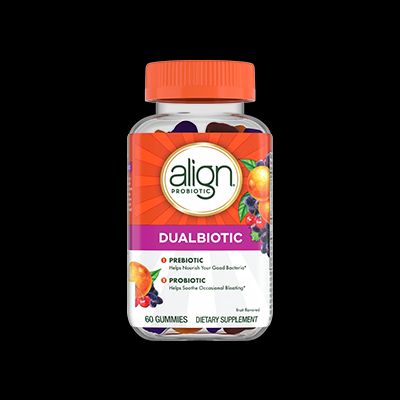
Align Probiotic DualBiotic Prebiotic + Probiotic Gummies
- 4.4 (463+) from Amazon
- Strains: Bacillus Coagulans
- CFU count: 1 Billion CFUs
- Price per serving: $0.33 per serving (30-count)
- What it’s good for: digestive support
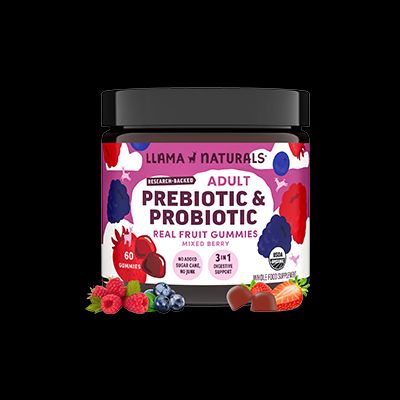
If you want to be proactive about the tummy of your little one, here’s our pick for a kid’s probiotic gummy:
GI issues during the holidays often stem from rich favorites like casseroles or red meat dishes that don’t digest easily.
In these cases, a metabolism and absorption boost from a whole-food digestive enzyme can help break down proteins. There are other enzyme groups for fats and still others for starches.
You will often find digestive enzyme supplements come in an easy-to-tote chewable form, like this one from Garden of Life which contains whole-food enzymes for all three food categories.
Though it may feel good in the moment, alcohol downturns your gut’s microbiome.
The hard truth is that hard alcohol erodes the mucus lining of the stomach and can cause inflammation (gastritis). Inflammation can lead to a burning of the stomach, and acid reflux or heartburn.
The acidic properties of wine can cause many of the same symptoms, so if you must imbibe, it’s best to stick with red wine — since it’s anti-inflammatory — or low-acid wines you can find in stores and online.
Other key terms to look for when purchasing a more gut-friendly wine are:
- natural
- low sulfite
- aged wines (aging can naturally mellow acids in wine)
- varietals
- Cabernet Sauvignon
- Grenache
- Merlot
- some Zinfandel
- Gewürztraminer
- Grenache Blanc
- unoaked Chardonnay
- Viognier
Surely is a brand that offers low-acid and nonalcoholic wines.
We like to think of kombucha as the “other bubbly.” Thanks to SCOBY (a symbiotic culture of bacteria and yeast) it is fermentation at its most flavorful.
Research from 2025 demonstrates that kombucha tea (tea represents one to two ingredients, but the beverage is effervescent) has pre- and probiotic benefits in encouraging the good bacteria Bifidobacterium and Lactobacillus.
In small amounts, it can reduce bloating and help digestion. Drink kombucha too much or too often and you might get more help with indigestion than you want (bloating and looser stools).
Our editors like the brand Health-Ade. You can bulk buy its holiday sparkler (seen here) or enjoy its Merry and Bright Variety Pack, which includes the holiday kombucha.
Fermented foods are full of probiotics. In addition to kombucha, kimchi and sauerkraut are fermented. If you’re hosting, try making dips with Greek yogurt or kefir to sneak in some fermentation, or incorporate miso into homemade dishes.
Tempeh can also pad your stews and casseroles with bulk and fermented goodness.
Often, at holiday events, there are spreads of appetizers, desserts, and (hopefully) some fruits and veggies, nuts, and such. It’s a solid strategy to fill your plate with as much fiber as you can find, then top it with some indulgent treats.
Dietary fibers essentially feed “good” bacteria in the intestine, functioning as prebiotics.
At just about any holiday gathering, there are bound to be loaves, cookies, cakes, and crackers galore.
When it comes to bready carbs, Yaa Asantewaa Klu, dietitian with Nourish, advises: “Don’t eat your carbs naked… always pair them with a protein, (healthy) fat, or fiber to optimize digestion and proper absorption.”
“Naked carbs” are absorbed into the bloodstream quickly, which causes spikes in blood sugar followed by steep drops in blood sugar.
People with any GI dysfunction — not just diabetes or prediabetes — can experience blood sugar drop symptoms, including nausea, morecarb cravings, changes in mood, and energy crashes.
Remembering to pair that slice, cookie, or cracker with a protein, fat, or fiber might keep you (and the naked carb!) from an unpleasant surprise.
Anita Morris is an author and public speaker who wanted to find ways to enjoy social events while accommodating a gut-friendly diet.
When Anita learned her eating habits were contributing to disruptive chronic arthritis, she switched to a whole-food plant-based diet, which alleviated virtually all her joint pain and had the fringe benefit of improving her gut health. But she didn’t want her new diet to keep her from enjoying festivities.
These days, Anita keeps it clean by bringing her meal alternatives to events and outings. She typically keeps anti-inflammatory snacks in her purse, just in case, and she often tries to pack food that fits the theme.
“I didn’t know how I could continue enjoying outings with my friends. I thought bringing my food to events or ordering a salad or vegetables at restaurants would be awkward.” Spoiler: she says it’s not.
At a recent tea-party-themed bridal shower, she whipped up her own artfully assembled plant-based treats with the hostesses’ approval.
“I made dishes that I thought would be great for the occasion… There was no awkwardness at all. I got a few questions at the table where I was seated, but they were very kind and I kept my answers simple.”
She adds, “And, yes, I drank my smoothie from a teacup. I LOVE tea parties, and I still wanted the full experience. I missed out on nothing.”
Looking for ideas? Prebiotic-rich foods like lupini beans can be just the ideal-sized and shelf-stable snack you can start keeping in your messenger bag, purse, pocket, or car. We found a brand we like:
Here’s a dinner party factoid to impress your friends: Did you know some baking staples are natural prebiotics and can help digestion?
For example, the fermentation process of sourdough starter can create prebiotics, which in turn can help with nutrient absorption, digestion, and overall gut health. Oats are another source of fiber-rich whole-food prebiotics.
Cassava flour is high in resistant starch, which means it moves through your stomach and small intestines undigested and then unloads healthy, friendly gut bacteria once it reaches your large intestine.
We also took a deep dive into lupin flour ( a cousin to peanuts and soybeans) and found that it, too, has prebiotic fibers. Its protein properties make it a staple that can help you feel fuller longer.
We found this brand to be relatively affordable and accessible:
A helpful rule of thumb might be to find your largest cup of water and down it before you leave home and as soon as you return home. Along with your typical daily hydration, this can help keep your digestive tract lubricated and flushed out before feasting on decadent treats.
One 2024 study on mice found that restrictive water intake changed the gut microbiota profile and reduced immune cells, notably in the colon. All in all, more water means more immune support in the gut.
We’ve all heard the adage “enjoy, in moderation.” The 80/20 rule breaks that down into a formula: If you eat nutritiously 80% of the time, you can indulge in not-so-nutritious treats 20% of the time and still maintain balance. By allowing yourself those indulgences, eating well becomes more sustainable than a restrictive, all-or-nothing approach.
In short, eating 80% nutritious food and 20% indulgent food isn’t just tasty; it’s evidence-based psychology.
From longstanding Eastern Medicine approaches to wellness, to TikTok’s latest trends, movement after meals is a known and natural digestive support strategy.
Walking after eating is great for alleviating bloating and gas and leveling blood sugar and blood pressure. But any movement after a meal can help digestion, be it deep breathing, core exercises, or even mild dancing if you’re in the mood.
The gut-brain superhighway, or gut-brain axis, is a toll road between how you feel mentally and emotionally, and how your belly responds. And only you pay the toll.
If family members or seasonal obligations have you stressed, it may be time to make a note of what you need this season to hold your peace. You are not a bystander or victim to holiday stresses: you’re in the driver’s seat. If you’re stressed and feeling it in your gut (literally) then it’s time to set some boundaries.
Author Lysa TerKeurst explains that boundaries aren’t meant to be mean, they aren’t always responding with no, and they aren’t rules to keep people out. Boundaries are standards articulated by person-first statements to communicate what you need to feel free, safe, and loved.
A healthy boundary may sound like: “I’d love to drive around and look at Christmas lights! If there is no sober driver, I’ll take a separate car and caravan.”
For the same reason a day at the amusement park leaves your feet sore. It’s not bad, but since it’s not your regular activity, your body may not be used to all the stop-and-go walking, standing around, and rides.
Not to despair. We’ve got some quick and common gut busters and their healthier alternatives below.
| Potential holiday gut busters | Try this instead |
|---|---|
| creamy casseroles | roasted veggies, alternative creamers: yogurt, kefir |
| sweets made with white flour | alternative flours: whole grain, sourdough, or Lupin |
| sweets made with granulated sugars or sucralose | alternative sweetener with low potential for GI issues: maple syrup |
| sweets made with butter or shortening | alternatives: avocado |
| sugar-heavy desserts | fresh fruit (with skin) |
| fried snacks | nuts, seeds, and bean snacks |
This holiday season, you can keep your gut calm and neutral by managing stress, making prebiotic, probiotic, and postbiotic substitutions or additions, and opting for more water and low-acid alcohols.
You don’t have to be shy (or sly!) about bringing your own gut-sensitive and anti-inflammatory alternatives to a gathering. When the parties are all done and the decorations are put away, your gut will thank you well into the New Year.