Money in your flexible spending account (FSA) typically doesn’t roll over at the end of the year — so whatever you don’t use, you lose.
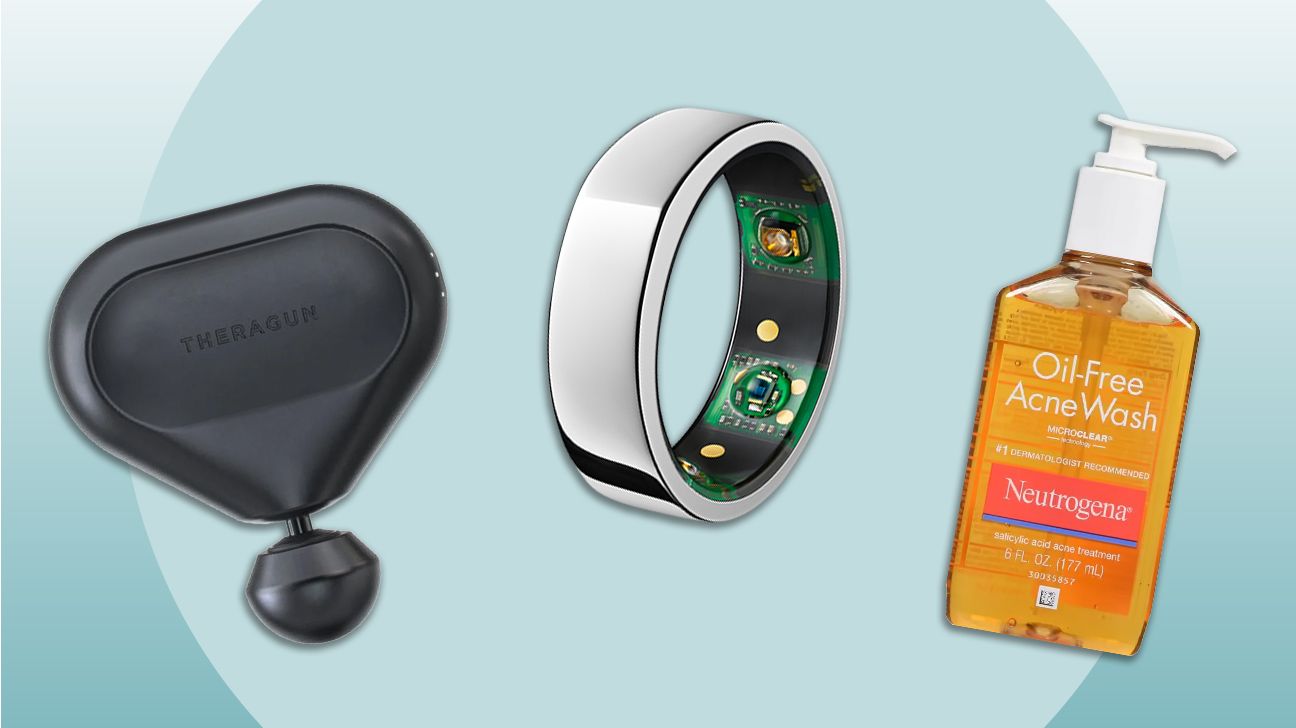
You can use FSA funds to buy eligible healthcare items like over-the-counter and prescription medications, some skin care products, and pain relieving tools.
A few FSA-eligible items you may want to consider include the Oura Ring, glasses or contacts, and sunscreen such as Coppertone Pure & Simple.
A flexible spending account (FSA) is a popular healthcare savings option offered by some employers. These accounts are attached to health insurance plans and allow you to set aside pre-tax money for medical and healthcare expenses.
One drawback is that the money in an FSA typically doesn’t roll over from year to year like it does with a health savings account (HSA). So if you have an FSA, you need to use those funds before the year ends.
Fortunately, there’s a wide variety of FSA-eligible items to choose from. Here are a few to consider adding to your shopping cart.
Pricing guide
The items in our list of FSA-eligible products can range from a few bucks for bandages to more than $1,000 for some home medical devices. We use dollar signs to indicate general prices.
You can spend FSA funds on many over-the-counter (OTC) medications and healthcare items, including pain relievers, first aid supplies to keep at home, allergy support, eye care products, and cough and cold medicine.
Select skin care products
Some medicated and preventive skin care products are FSA eligible. These include sunscreens with at least SPF 15, some lotions and cleansers, acne products, and some lip balms.
Wearable tech
Not all health trackers are FSA-eligible. However, the Oura Ring is.
Home diagnostic devices
Use your FSA funds to monitor your health at home by purchasing devices such as thermometers and blood pressure monitors.
You can use your FSA funds to buy products designed to eliminate pain and discomfort, including heating pads, cold wraps, knee braces and sleeves, self-massage tools and rollers, and more.
Erectile dysfunction (ED) support
Products and services that treat ED are FSA eligible. You can use funds to purchase viagra online, as well as other ED medications.
Medical alert devices
Your FSA funds can go toward the purchase of a medical alert device and service that will connect you with emergency providers if you’re unable to reach the phone to call for help.
Women’s health products
A range of women’s health and wellness products are FSA eligible, including menstrual products, OTC yeast infection treatment, at-home fertility testing and tracking, prenatal vitamins, and nursing support.
Glasses and contacts
If you wear prescription glasses, you can spend down your FSA money by purchasing a backup pair — or you can even buy a pair of prescription sunglasses. You can also purchase contact lenses.
FSA funds can be used for thousands of healthcare items, but there are limits. For instance, although you can use FSA money for mouthguards and denture cleaners, you can’t use it for toothbrushes or toothpaste.
Similarly, parenting essentials like breast pumps and baby monitors are FSA eligible, but items such as baby bottles and diapers are not.
And then there are items that are not typically FSA eligible — like some smart scales and shoes for plantar fasciitis — but may be with a doctor’s recommendation and Letter of Medical Necessity (LMN).
It’s always best to check your plan’s guide to FSA-eligible items before you purchase, especially if you’re considering bigger-ticket items.
The Internal Revenue Service (IRS) provides guidelines of medical and healthcare categories eligible for FSA purchases.
But it does not address specific products within those categories. The actual distribution and approval of FSA expenses is administered by your employer’s health insurance plan. So that’s the best place to look for a list of eligible items.
No. An Apple Watch is not considered a medical device eligible to be purchased with FSA funds.
You can use an FSA debit card provided by your employer, or you can make a purchase on your own and then request reimbursement. To be reimbursed, you’ll need to fill out a form and provide receipts and information about the product or service to your FSA administrator — usually a third-party provider contracted by your employer.
It’s always advisable to consult your FSA administrator or individual insurer’s guide about how to use your FSA funds before you buy.
HSAs and FSAs are similar health savings options. You can use both account types to save tax-free money on the healthcare essentials you need.
However, there are some differences between FSA and HSA accounts. One of the biggest? Money in an HSA can build up over the years, but money in an FSA doesn’t carry over from year to year. This means you’ll need to spend your FSA money before the new plan year begins or you’ll lose the money.
FSA funds are a great way to save money on a wide range of everyday healthcare items.
FSA-eligible categories include OTC medications and health devices, select skin care products, pregnancy products and fertility tests, menstrual supplies, pain relieving devices, and more. You can find many of these items in designated sections online at Amazon, Optum Store, Target, and Walmart, among other retailers.
Be careful before you buy, however. Some companies promote their products as FSA eligible without making it clear that they require an LMN from a physician. Check your company’s FSA guidelines if you have questions about any product’s or service’s eligibility.