All of the services for hair loss treatments in this article have been vetted by our internal medical standards and integrity team.
The team looked at the medical credibility, business practices, and social impact of each platform to ensure they meet our high standards. We considered many criteria, including:
valid credentials for medical professionals who provide consults through the platforms
the quality of the drugs and their ingredients
any lawsuits or warning letters
accurate marketing claims that aren’t misleading
What’s in hair loss treatments?
There are a few common active ingredients used in the products offered by the services we recommend.
finasteride
the generic form of Propecia
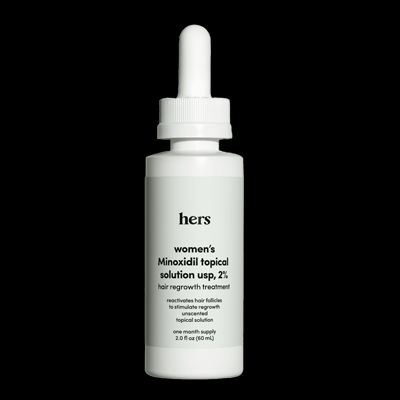
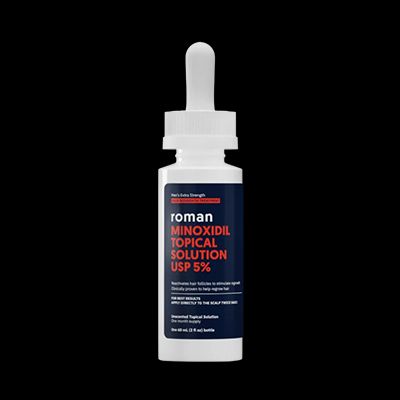
minoxidil
the generic form of Rogaine
tretinoin
sometimes used to enhance minoxidil absorption
There are some exceptions, too. Happy Head’s hair loss supplements include dutasteride, which is considered to be stronger than finasteride. The supplements also include retinoic acid, hydrocortisone, and vitamin D3 to help you tackle hair loss.
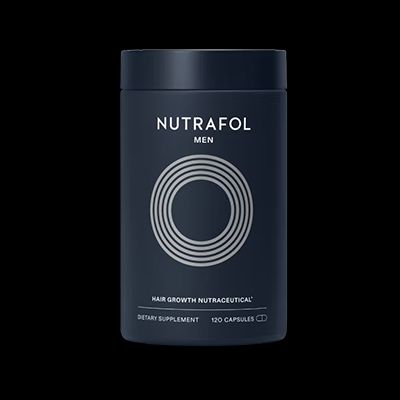
In addition, Nutrafol doesn’t include finasteride and minoxidil. Instead, Nutrafol is a nonprescription supplement that contains ingredients like ashwagandha and saw palmetto to promote healthy growth.
Do these hair loss treatments work?
Results from using generic minoxidil and finasteride vary from person to person, but both products are approved by the Food and Drug Administration (FDA) and have been prescribed by healthcare professionals for decades to treat male pattern baldness.
Minoxidil and finasteride can also treat female pattern baldness, but it is important to consult with a prescribing healthcare professional before using them, as treatments and dosage can vary.
Get doctor-directed, personalized treatment plans with Hims
The way minoxidil works isn’t fully understood yet, but a 2022 review suggests that the anti-inflammatory and vasodilating effects help generate new growth. Like finasteride, it is known for being effective, but it’s a practice in patience.
When it comes to which is more effective, older research suggests that a daily combination of finasteride and minoxidil is your best bet for reducing hair loss and encouraging new growth. Many partners offer solutions that combine both ingredients, though they require a prescription.
Our top 3 picks of the best hair loss treatments
Final thoughts
Hair loss is common, and certainly nothing to be ashamed of. Still, if you’re hoping to reduce your hair loss or work toward regrowth, options like finasteride and minoxidil (or a combination of both) from a telehealth company may be worth a try.
Frequently asked questions
The Food and Drug Administration (FDA) has approved oral finasteride and topical minoxidil. However, both have potential side effects. For example, minoxidil can cause scalp irritation, heart palpitations, and dizziness, while finasteride can cause erectile dysfunction.
Talk with your doctor about possible risks, interactions, or side effects before you try hair loss products.
It’s crucial to understand that hair loss treatments take time and commitment. Many of the brands above offer the same prescriptions, and all recommend using them for at least 3 to 6 months daily.
Six months and beyond, your hair loss should have stopped or slowed, and you may see signs of regrowth. But don’t stop there — you’ll have to continue using these products indefinitely to continue seeing results. It can get expensive over time.
Some people find success with hair loss treatments, such as over-the-counter (OTC) medications, prescription medications, and home remedies. But these methods don’t work for everyone.
For example, Rogaine works best for people with hereditary baldness at the back of the head, just under the crown.
Hair transplants are usually more successful than OTC products. But if you have widespread thinning or baldness or if your hair loss is due to chemotherapy or medications, transplants will not be as effective.
It depends on the treatment you’re using. If you’re taking an OTC or prescription medication such as Rogaine (minoxidil) or Propecia (fibasteride), you’ll have to keep taking it long term to maintain results.
Shop our top 3 picks of the best hair loss treatments