














Rotating your shoes can be a simple habit to help your foot health. This can be good for athletes and runners, but also those who experience diabetes-related neuropathy, foot ulcers, and people with MS or common foot conditions like plantar fasciitis.
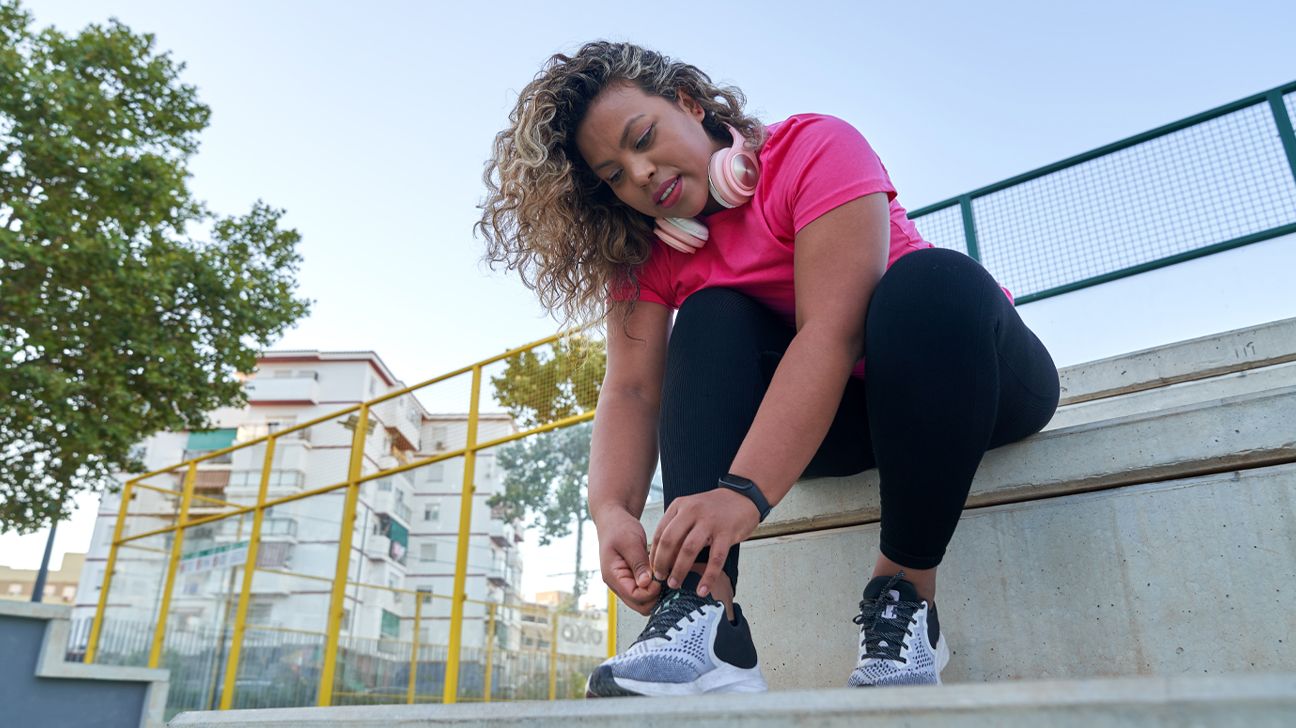
If you experience tired feet or have any type of health condition that might affect your feet or toes, taking note of your shoe-wearing habits might be a step that could be beneficial for your foot health.
Rotating your shoes, or alternating the pressure on your feet, is a recommended practice for foot health that may offer benefits. This could be especially helpful for athletes and those frequently on their feet during the day, and for people at higher risk for plantar fascititis, foot ulcers, nerve pain, or other health condition complications affecting the feet and toes.
Rotating your shoes is highly recommended for foot health and has several key benefits:
- Reduced injury risk: Some
research suggests that runners who rotate their shoes have a much lower injury risk. Using different pairs of shoes, especially those that are lighter with slightly different designs, can change the stress patterns on your feet, ankles, and legs. This can help prevent the repetitive strain that can lead to overuse injuries like shin splints, stress fractures, or Achilles tendonitis. - Exercises different muscles: With different shoes helping you use your muscles and joints a bit differently each time, this can help build more balanced strength and resiliance in your feet, legs, and lower body.
- Prevents foot conditions: Rotating shoes allows them to fully air out and dry. This is important because moisture from sweat can degrade the materials and create a prime environment for bacteria and fungal growth (like Athlete’s foot).
- Plantar Fasciitis relief: Some research shows that shoe rotation, along with foot orthotics, can help relieve pain tied to this common foot condition.
Aside from health effects, rotating shoes also brings the added benefit of extending your shoe lifespan.
Some
This is a form of footwear designed to prevent foot ulcers, including for those with diabetes. These shoes work by changing how pressure is distributed on the sole of the foot, using an insole with an air-pressurized layer that inflates and deflates in certain areas to help promote blood circulation.
These may help people with diabetes who are at risk for diabetes nerve damage in the feet and toes, foot ulcers, and also others who may be at higher risk for pressure sores, such as people with multiple sclerosis (MS).
A diabetes-focused study in June 2025 concluded that shoes or insoles with pressure-reducing capabilities have the potential to reduce the risk of plantar pressure without changing the way people walk. With those findings, the researchers posed that it could help reduce the development of foot ulcers for people with diabetes who might be more at risk for that diabetes-related complication.
Rotating your shoes can be a simple habit to help your foot health. This can be good for athletes and runners, but also those who experience diabetes-related neuropathy, foot ulcers, and people with MS or common foot conditions like plantar fasciitis.
Talk with your doctor or foot specialist if you’re experiencing any symptoms or pain related to your feet, toes, or lower legs. They can help evaluate any underlying health issues that may need treatment, or if special footwear or pressure-alternating shoes might be helpful options to consider.