














Most wheelchair accidents happen from tipping or falling, with older adults at higher risk of serious injury and caregivers prone to strain. Following safety tips can help reduce risk for both groups.
According to the Centers for Disease Control and Prevention (CDC), about
If you or your loved one is using a wheelchair, especially if it’s a new experience or if you or your loved one is an older adult, there are important safety rules to consider. This is because most wheelchair-related injuries occur from tipping over or falling out of the device, and older adults are already at a higher risk of a serious injury from falls.
Read on to learn more about the injury risks associated with wheelchairs and important safety guidelines for wheelchair users and their caregivers.
As we get older, our bodies naturally change. In some cases, physical abilities like vision, strength, and balance can begin to deteriorate. This can also affect older wheelchair users, making it harder for them to remain secure in their devices.
For example, a wheelchair user might find it harder to avoid riding into obstacles due to challenges
In older age in particular, these occurrences
In addition, about 50% of wheelchair users experience musculoskeletal pain, with shoulder pain being most common, and older age is a significant risk factor. For this reason, understanding safe wheelchair use is important.
There are different types of wheelchairs, and it’s important that you or your loved one select the one that works best for you in consultation with your doctor.
Generally, wheelchairs support people who cannot walk or bear weight on their legs. Manual models are propelled by the user or a caregiver, while electric wheelchairs provide motorized mobility for those with limited upper-body strength.
Getting a wheelchair through Medicare
Under the durable medical equipment (DME) benefit, Medicare Part B or Medicare Part C (Medicare Advantage) can cover 80% of the cost of buying or renting a manual or electric wheelchair.
To qualify, you must have a mobility-related health condition and have your Medicare-approved doctor indicate that you need a wheelchair. You’ll also need to use a Medicare-approved supplier.
You can either rent or buy the wheelchair. After 13 months of rental, you automatically become the owner.
Regardless of which wheelchair you or your loved one uses, always follow the chair’s operating manual and safety precautions, and perform regular maintenance as necessary.
The following are additional general wheelchair safety tips:
- Adjust the seat height and depth so your feet are flat on the floor and your knees are at right angles.
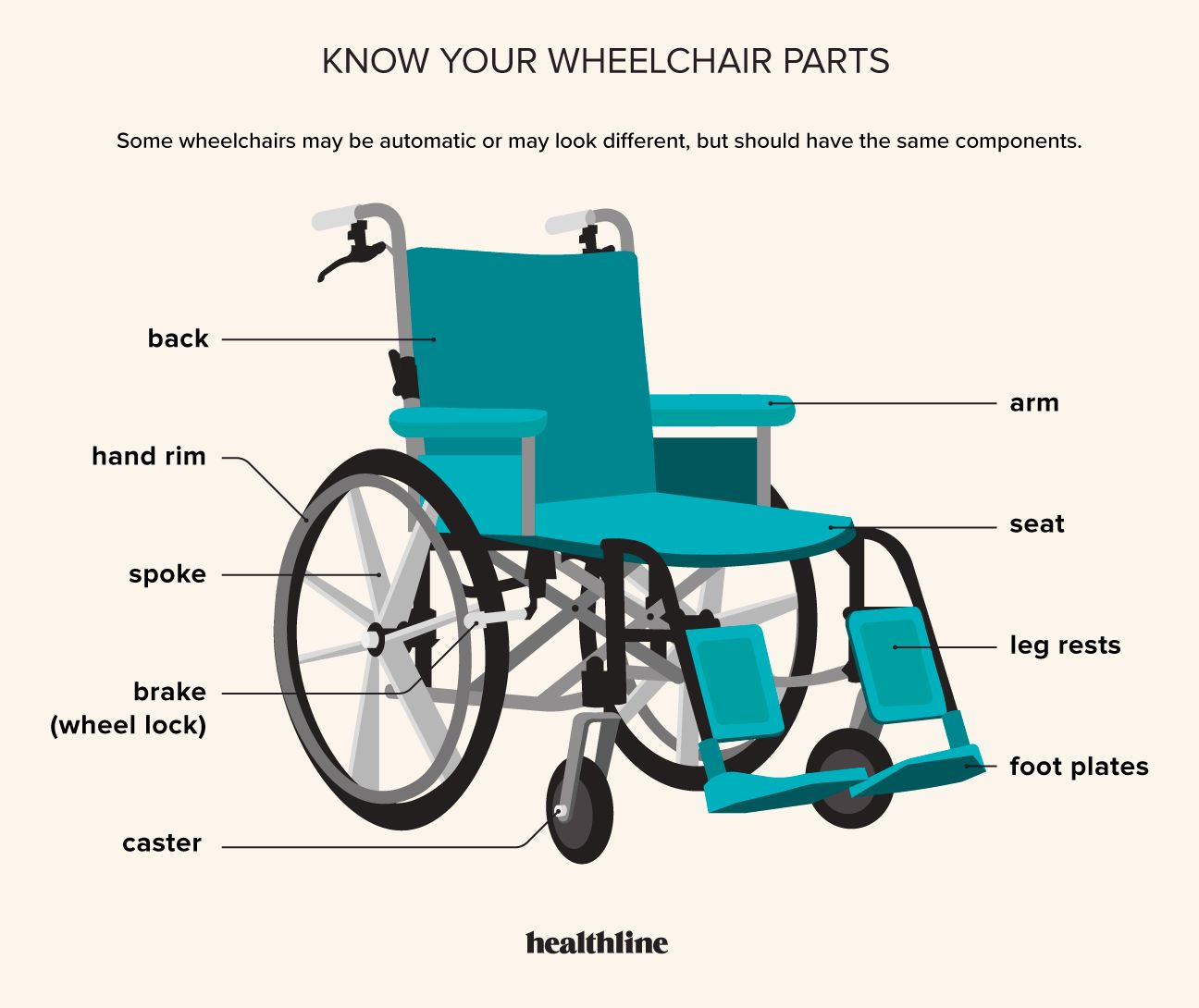
- Flip the footplates, lock the brakes or wheels, or switch off the motor before transferring into or out of the chair. Position the wheelchair close to the bed or add a seat for support.
- Never pull backward on doors or objects while seated, as sudden releases can tip you backward.
- Check that the removable arm and leg rests are secure before every use.
- Never place heavy loads on the chair’s rear to prevent the chair from tipping.
- Install anti-tip wheels or bars.
- Tuck loose clothing or lap covers away from wheel spokes.
- When riding on roads, attach a safety flag, or headlights and flashing taillights at night.
Many of the tips for wheelchair users are also important for caregivers to know. This is especially the case if you’re caring for an older loved one who might find it challenging to stay on top of wheelchair safety.
That said, the following are some additional wheelchair safety tips for caregivers:
- Inspect the wheelchair regularly by checking he brakes, lubricating the wheels, and tightening parts. For electric chairs, clean battery compartments and secure connections.
- Clean and sanitize the chair regularly, paying particular attention to frequently touched areas.
- Communicate with the user by letting them know when you plan to push the chair or help move them in and out, and by making adjustments for their comfort as needed.
- Keep the home tidy and remove any obstacles that might cause a tip over. When outdoors, watch your environment, particularly for uneven surfaces, slopes, or other obstacles, and maneuver the chair carefully to avoid collisions.
In addition, as a caregiver, maneuvering a wheelchair can injure your back, neck, and shoulders from repetitive lifting, pulling, or leaning.
To prevent this, always position yourself in a stable stance with a straight spine, engaged core, and bent hips and knees before handling a wheelchair or its occupant. Avoid twisting, keep the person close, and use leg strength instead of back strength. Consider investing in a gait belt for additional support.
Safe transfer steps include:
- Sitting them up in bed: Move the person’s legs to the edge of the bed while pivoting their body, guiding them into a sitting position with support as needed.
- Standing them up: With the wheelchair locked, place the person’s feet on the floor, keep knees bent and back straight, hold them close, and shift your weight to help them rise. A lifting belt can make this safer.
- Sitting them down: Pivot toward the chair, bend your knees, lower them slowly, and ensure their hands are on the armrests.
Around 12% of U.S. adults, including 7 in 100 older adults, use a wheelchair. Most wheelchair-related injuries happen from tipping, falling, or falling out, but you can lower the risk with a few simple habits.
First, choose the right chair with your doctor’s guidance and keep it in good shape. Then, maintain safety with practices such as setting your seat at the right height and locking the chair when moving in and out. Be mindful of clothing near the wheels, avoid overloading the back, and add lights or flags if you’ll be outdoors.
If you’re a caregiver for a wheelchair user, make sure you use a safe posture when handling the chair or supporting your loved one. It’s also a good idea to warn your loved one before you move the chair or help them in or out, and to scan the environment around the chair, removing potential hazards.