














The three types of hearing loss are sensorineural, conductive, and mixed hearing loss. They each involve different parts of the ear and may have varying causes and treatments.
Hearing loss in one or both ears is a relatively common health condition that becomes more prevalent with age. In the United States, approximately 30 million people live with some form of hearing loss.
The type of hearing loss you have will depend on the underlying cause and which part of the ear is affected.
Keep reading to learn more about the causes, symptoms, and treatments of each type of hearing loss, as well as how a doctor could diagnose the specific type you may have.
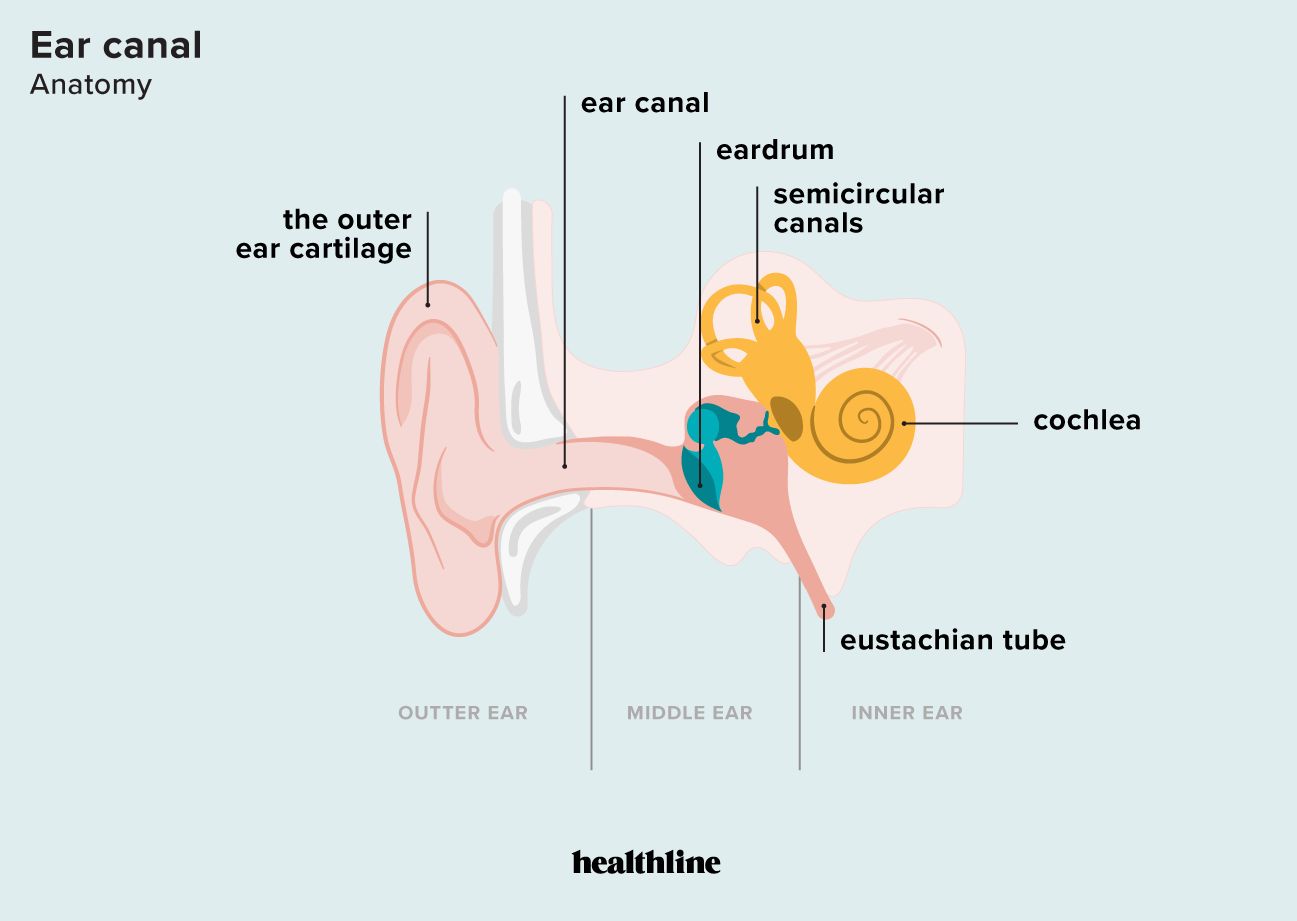
Hearing is a process that
The three main parts of the ear are the outer, middle, and inner ear. Hearing begins in the outer ear, where sound travels in the form of waves to the eardrum, which is a thin membrane.
When sound waves reach the eardrum, it vibrates. The three bones in the middle ear, known as ossicles, help propel the sound waves toward the inner ear by increasing the intensity of their vibrations.
The sound waves then enter the cochlea, located in the inner ear, which is the main hub responsible for hearing. In here, nerves convert the sound waves into electrical impulses, which travel to your brain.
Your brain then makes sense of these electrical impulses, registering them as the sound you hear.
Sensorineural hearing loss (SNHL) is the most common type of hearing loss, accounting for nearly 9 in 10 cases.
According to the American Speech-Language-Hearing Association (ASHA), SNHL can make it difficult to hear soft sounds, and louder noises may also sound muffled.
SNHL primarily affects the cochlea in the inner ear (behind the eardrum) due to structural damage. It may also be caused by problems with the nerves in the inner ear responsible for converting sound waves into electrical impulses, such as the auditory nerve.
There are several different causes of SNHL,
- family history of hearing loss
- getting older (presbycusis)
- benign tumors, such as those in the brain or behind the ear
- infections, such as meningitis and labyrinthitis
- certain autoimmune conditions, such as granulomatosis, rheumatoid arthritis, and systemic lupus erythematosus
- underlying conditions, such as Meniere’s disease
- exposure to sudden loud noises
- head trauma
- ototoxic medications, such as some antibiotics and nonsteroidal anti-inflammatory drugs (NSAIDs)
SNHL may also occur suddenly or within a 72-hour period. This is known as sudden SNHL (SSNHL), and it’s a medical emergency. In most cases, the cause of SSNHL is unknown, but it can be caused by vascular diseases like stroke or complications from infections.
Treatments for SNHL
Treatment for SNHL will depend on the underlying causes and severity of your hearing loss. Your treatment plan may
- medications, such as corticosteroids
- hearing aids, including over-the-counter (OTC) and conventional options
- cochlear implants
A healthcare professional can help develop the best treatment plan for you.
Conductive hearing loss (CHL) occurs when something interrupts the mechanical transmission of sound from the
CHL can make it difficult to hear soft sounds, and loud noises are usually muffled.
There are many different causes of CHL. According to the ASHA, these may include:
- liquid in the ear, such as from allergies or a cold
- infections in the middle ear (otitis media) or outer ear (external otitis)
- Eustachian tube dysfunction (ETD)
- ruptured eardrum
- benign ear tumors (acoustic neuroma)
- earwax buildup and blockage
- objects stuck in the ear
- development issues in the ear, such as structural problems with the ossicles
Treatments for CHL
Treatment for CHL will depend on the underlying cause and severity of the hearing loss. This may include a combination of over-the-counter (OTC), nonsurgical, and surgical treatments,
- earwax microsuction
- medications, such as antibiotics
- eartube insertion
- surgery, such as adenoidectomy, mastoidectomy, and myringoplasty
Mixed hearing loss (MHL) involves a combination of CHL and SNHL. Issues can arise anywhere in the middle or outer ear, as well as the inner ear, affecting both the mechanical movement of sound and how it’s interpreted.
MHL may be caused by any combination of factors that lead to CHL and SNHL.
For instance, you may have a family history of hearing loss that’s associated with SNHL, and an outer ear infection responsible for CHL.
You may also work in a loud environment, which can gradually cause SNHL, and then get a ruptured eardrum, causing CHL.
Treatment for MHL will depend on the underlying cause and severity of your hearing loss, and will include the appropriate CHL and SNHL treatment options.
If you or your child is experiencing trouble hearing, consider connecting with a primary care doctor or a pediatrician.
To assess general hearing loss, a doctor will first perform a physical examination and evaluate the affected ear(s). In most cases, this will involve an audiometry, which can also help differentiate between CHL and SNHL.
Other possible auditory tests include tympanometry, acoustic reflex testing, otoacoustic emissions, and auditory evoked potentials.
If a doctor thinks your hearing loss is associated with an underlying health condition, they’ll likely refer you to an otolaryngologist (ENT). This type of doctor specializes in conditions that affect the ears, nose, and throat.
An ENT doctor may order imaging tests, such as an MRI or X-ray, to evaluate any underlying causes.
Some screening tests can be used during routine check-ups or at pharmacies to help detect any general hearing loss. These may include turning fork tests or Weber tests, which involve striking a vibrating fork and then detecting the sound from various places, such as the mastoid bone, ear canal, or forehead.
However, these aren’t as reliable as audiometry examinations.
Find a medical specialist in your area today
Your healthcare team may comprise several people who can provide support.
Sometimes, a medical specialist will be required to help diagnose, manage, or treat a healthcare condition.
You can find the following medical specialists in your area today:
Healthcare professionals typically classify hearing loss as sensorineural, conductive, or mixed hearing loss based on which part of the ear is affected and the underlying cause.
SNHL is the most common type, occurring in the inner ear and affecting how sound is converted into electrical impulses for the brain. CHL affects the mechanical transmission of sound waves, usually due to an issue in the outer or middle ear.
Treatment for hearing loss may include a combination of medications, hearing aids, and, in rare cases, surgery. A doctor can help develop the best treatment plan for you.