














Influencers in cute pajamas are clinking glasses to the “sleepy girl mocktail” trend, but the truth is more nuanced.
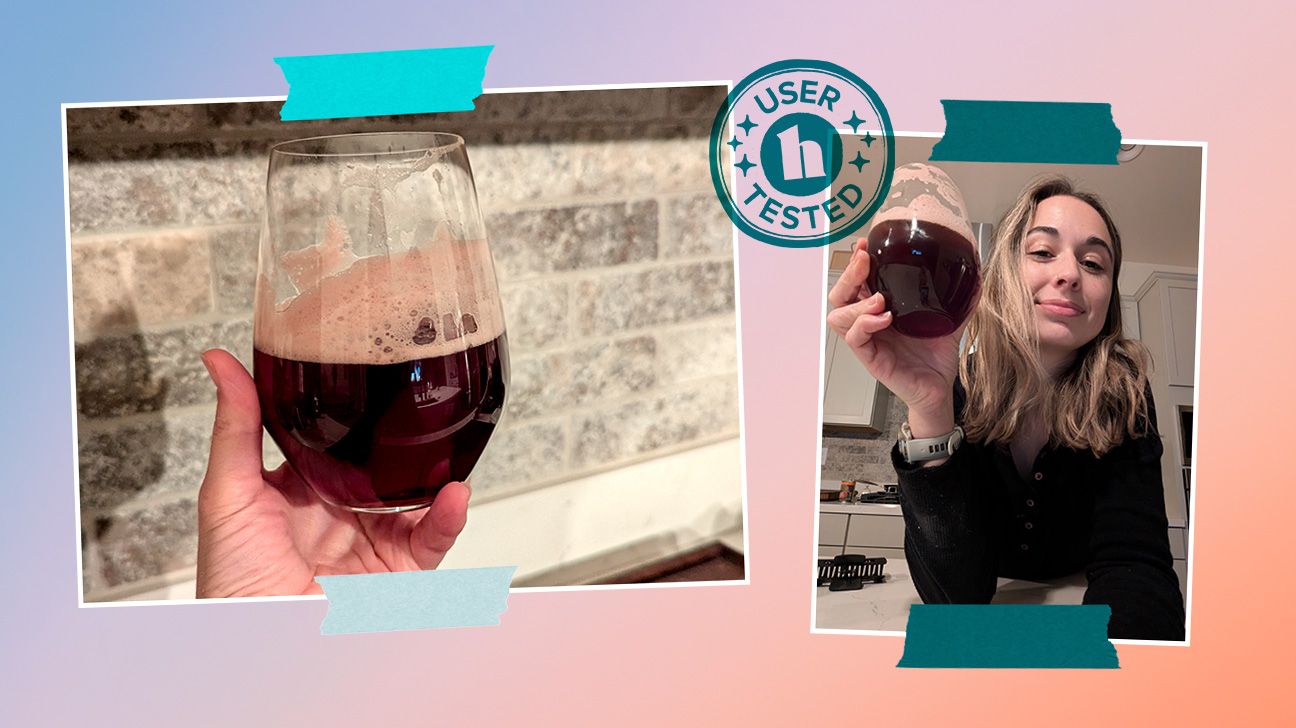
In case you don’t know about the sleep mocktail trend (props to you for cutting back on scroll time), here are the nuts and bolts: a mocktail made with magnesium bisglycinate powder, tart cherry juice, and sparkling water or prebiotic soda.
You’ll find slight variations in the recipe, but the throughline claim is that this form of magnesium, taken 30 minutes to an hour before bedtime, may help you fall asleep faster and get better-quality sleep.
The tart cherry juice offers additional benefits, including melatonin to support sleep. It’s also thought to help relieve muscle soreness, which can impede sleep.
Experts aren’t debunking the trend full throttle, but they’re also not blindly upvoting claims that it’s the magic sleepy beverage social media wants us to think it is.
Science does support the benefits of magnesium and tart cherry juice for sleep. Healthline spoke with two dietitians , and both attested to the possible benefits of these ingredients. They were also quick to clarify that everyone’s experience may vary based on other factors:
- It’s likely most effective in those with a magnesium deficiency (an estimated 60% of adults lack enough from diet alone).
- The placebo effect could be at play.
- The daily choices we make around nutrition, alcohol, and exercise also impact our sleep.
Yet, a couple of years later, this TikTok trend is still holding strong. So, we put it to the test.
Three Healthliners jumped on the bandwagon for a week. The experts are right. (Are we surprised?) The experience is very subjective.
Sometimes, it worked wonders. Sometimes it had moderate effects. And sometimes, it did very little.
It does seem to produce a relaxed feeling, but not for everyone
Most nights I tried the magnesium mocktail, I started to feel calm — not outright sleepy, just mentally and physically relieved. There’s no telling how much placebo effect is at play here, but hey, the feeling was real, even if the cause was uncertain.
Kristin Currin, a fellow Healthliner who struggles with consistent sleep hygiene and allowing herself to slip into rest, felt this relaxation more intensely. “I felt it kick in within an hour. I started yawning hard,” she says.
She recalled not being able to stay awake after a certain point, and was actually kind of amazed when she woke up at how soundly she had slept.
Ginger, the third Healtliner to try the sleep mocktail, who is also pregnant and therefore sleep-challenged, felt… nothing. “I didn’t see any evidence of it working for me as a sleep aid. I didn’t notice any effects in the minutes and hours after I drank it, and I didn’t notice any change to my sleep that I could confidently attribute to the mocktail.”
It may have helped recover some REM sleep, but it’s debatable
The first night, I had a glass of wine or two a little while before — not uncommon at my house — but it almost always results in a “nonrestorative” sleep memo from my smart watch come morning.
So could the magnesium mocktail help me recover some deep sleep? Result: My Garmin reported “plenty of REM” despite getting a “shorter than ideal” duration. Overall, it was still rated only fair (79/100). But you could argue that the magnesium boost helped.
The second night, I spent some time working on my laptop late before hitting the pillow. Same result: shorter than ideal, but still plenty of REM. Again, you could argue that the magnesium helped. Though my overall sleep score was still only fair.
On another night, I exercised late, which left me feeling more awake than usual at my 9-9:30 bedtime. Not the best move according to good sleep protocol. I drank the magnesium mocktail around nine, showered, and went through my nighttime routine.
The next morning, my watch reported that “my training late in the day did not impact my sleep quality” and that my body had recovered well.
You could certainly make the case that the magnesium helped me recover some of the deep sleep I would otherwise have lost on these nights. But it also didn’t impact my sleep enough to totally counteract poor sleep habits.
Not a replacement for good sleep hygiene
I took a few nights off from the mocktail, and my sleep score was better than those first nights I drank the magnesium sleep mocktail. I chalk this up to cutting out TV and screens in the hours before bed and reading longer with proper time to power down.
The magnesium may have encouraged some relaxation and deep sleep, but other lifestyle factors still played a role for better or worse.
Ginger echoed a similar sentiment. “I don’t track my sleep with a wearable, but I took note of how I was feeling each morning, and I ended up with a mix of good nights and poor nights of sleep without a noticeable pattern of improvement.”
However, I did notice a trend. After a few nights off, I drank the mocktail consistently the following week. It was the first week in months that I received a good sleep score (in the 80s) consecutively for four nights in a row, with plenty of REM and deep sleep — sans nonrestorative nights.
Some nights that week were still “fair” overall, but I always had a positive score for REM and deep sleep. So, magnesium is a sleep tool worth adding to the box, but not so much that you should turn your nose up to other good sleep habits.
It turns out that while sleep mocktails can be helpful and worth trying, they’re not magic, and results may vary. Following good sleep hygiene remains the real MVP.