














After putting coffee alternatives to the test, we found some options that taste like coffee, some that don’t, and some that have caffeine without coffee.
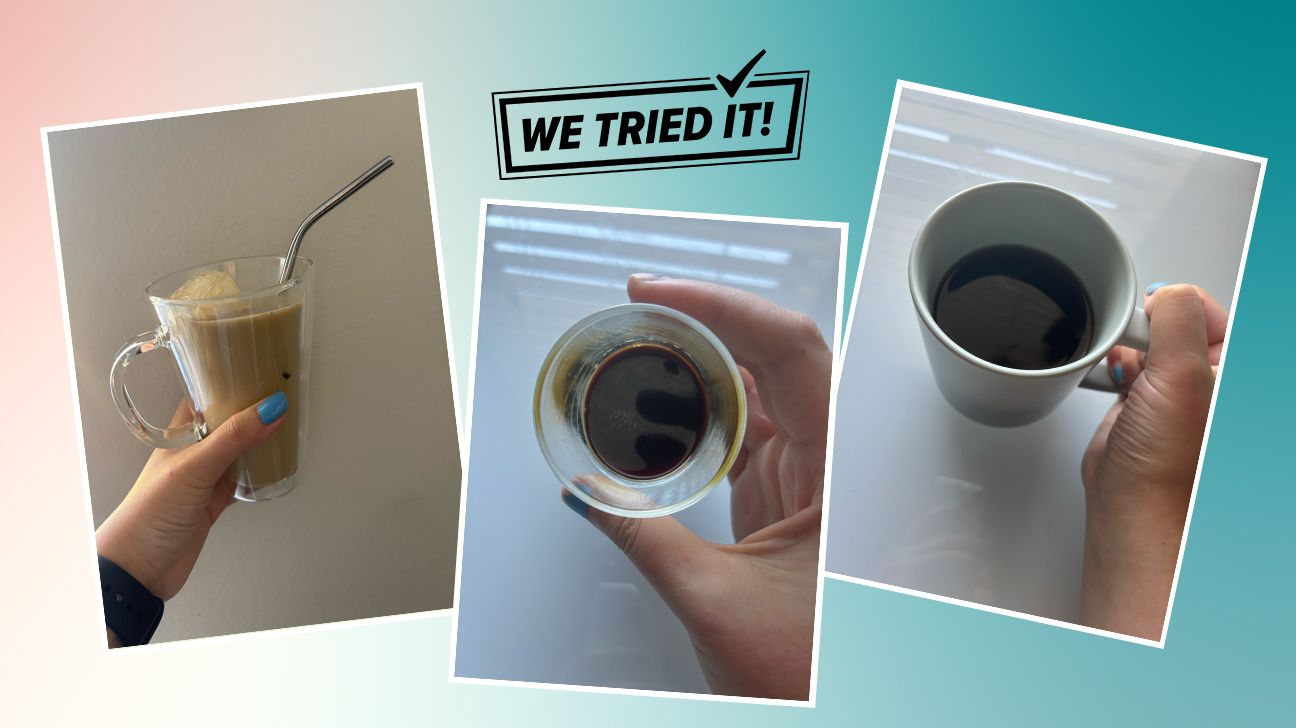
We researched the most popular types of coffee alternatives and chose seven products to try. Some are more well-known alternatives — matcha and mushroom coffee, for example. Others were new to us, such as chicory coffee and barley tea.
Two testers tried them all, comparing each to the real thing, taking notes on taste, texture, and perhaps most important, how they improved (or didn’t) their mornings.
The products fell into two distinct groups.
- Coffee alternatives for individuals who still crave the taste of coffee but need to reduce caffeine intake.
- Coffee alternatives for individuals who aren’t attached to the taste of traditional coffee, but still desire the ritual (and perhaps a small amount of caffeine).
- Tastes the most like coffee without any caffeine: Dandy Blend Instant Herbal Beverage | Skip to review
- A close-ish alternative that's not for everyone: Worldwide Botanicals Premium French Chicory | Skip to review
- Ideal for decreasing caffeine but not eliminating: Atlas Coffee Club Coffee Superblend | Skip to review
- If you want caffeine but can't drink coffee: One Stripe Chai Me at Home Masala Chai Blend | Skip to review
- A robust, nutty experience to replace afternoon caffeine: Worldwide Botanicals Organic Roasted Barley Tea | Skip to review
These three were the most comparable to real coffee, with one standout.
These four all taste great in their own way, but they aren’t designed to make you think you’re drinking coffee. Each brings their own unique flavor experience for filling the craving of a hot beverage — better for satisfying your afternoon or late night coffee-drinking habits.
Quitting caffeine may have several health benefits, including improved sleep, reduced anxiety, and healthier-looking skin. If you’re curious how it affects you, these coffee alternatives can help you dip a toe into the caffeine-free club.