














Obtaining a medical service or an alert dog can be expensive and challenging. They may be beneficial for many health conditions, but training is a crucial factor that can impact the animal’s capabilities.
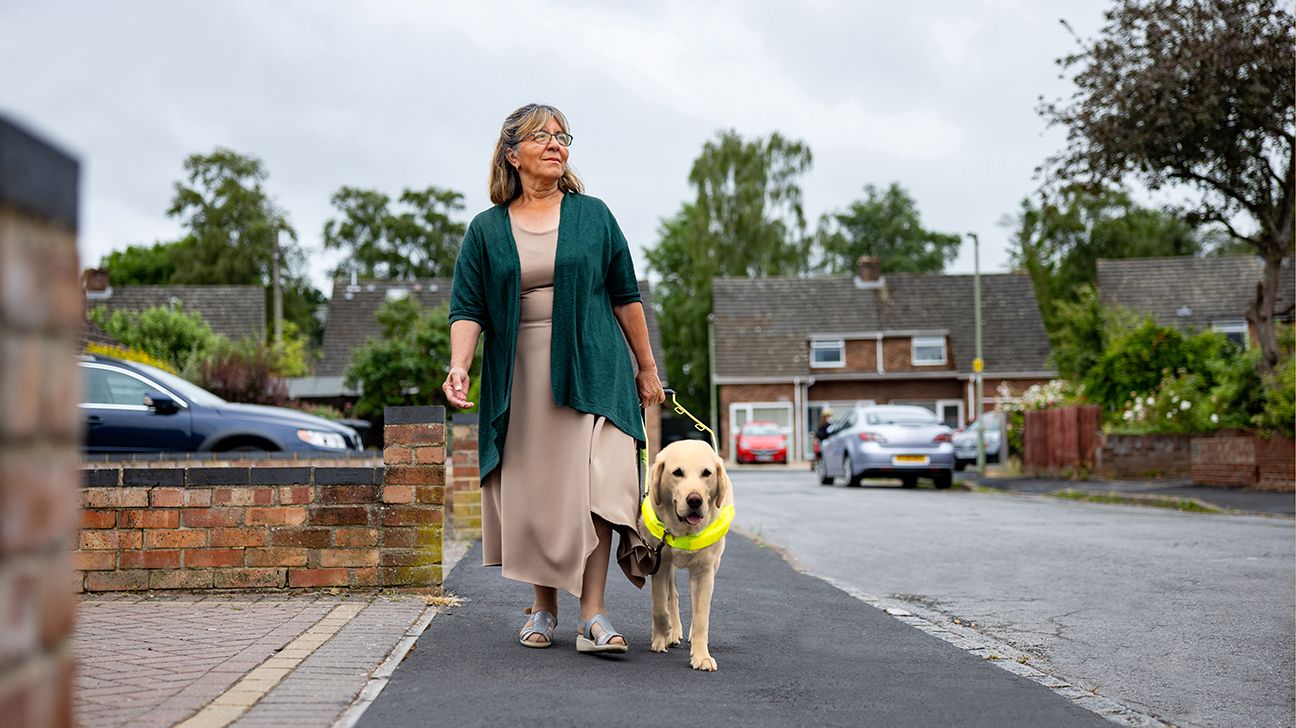
Medical service dogs are trained to guide, alert, or assist people with many health conditions, each specialty requiring a different level of training specific to a particular health issue.
This can range from seeing guide or leader dogs for the blind, alert dogs that detect low or high blood sugars for diabetes, and dogs that can assist those with epilepsy, hearing loss, and anxiety or depression.
Costs can depend on many factors within each dog’s specialty for a medical focus. People who choose a service animal may have a reputable organization cover most of the animal’s initial training and costs, while others may see a price tag of up to $50,000 or more.
These dogs are typically known as medical alert dogs, response or service animals. They are highly-trained working animals that assist individuals with a disability related to a medical condition.
They are not pets, but perform specific trained tasks directly related to their handler’s health condition or issue, to help that person live more independently and safetly.
Medical service dogs use their sense of smell to detect changes in human physiology. They may smell components in your sweat or body that can indicate an altered physiological state.
A 2021 survey suggests that medical service dogs can alert to multiple health conditions and in multiple people.
Dogs not trained as medical alert dogs may also show behavior changes in response to their owners’ altered physical state.
Service and alert dogs for health conditions
You may have specific needs related to a particular health condition you’re living with. This could be a chronic condition, a mental health concern like anxiety or depression, or other life-changing health experiences, from low vision and blindness to hearing loss.
Here is a look at some different conditions that service dogs may be trained to help manage or assist with:
The qualifications for service dog certification can vary by state, but many accredited organizations help unite medical alert dogs with people who need their services.
The Americans with Disabilities Act (ADA) allows people to take service dogs into public places like supermarkets, restaurants, buses, and subways. Service dogs must be trained for specific tasks relating to disability.
You can apply for one through organizations like Assistance Dogs International, a coalition of non-profit organizations that raise money to train, raise, and place assistance dogs.
You’ll usually need to detail your medical need and agree to certain requirements, such as attending training sessions that teach you how to work with your service dog.
Service dogs can be expensive, but some organizations may provide them through donations or at a low cost.
Some estimates put the cost as much as $63,000. However, many organizations work with charitable partners to provide service dogs free of cost or at a reduced cost.
Charitable organizations may require or request that you fundraise a portion of the cost of a service dog.
Once you receive a service dog, you will be required to pay for their ongoing care. This can include:
- food
- equipment, such as a collar and a leash or harness
- ongoing training, if recommended
- veterinary care and physical examinations
Does health insurance cover medical service dogs?
Insurance typically does not cover the costs of a service animal. But the specific organization you work with may offer financial assistance options.
Check with your insurance plan or specific organizations on what help or financial assistance may be available.
The application process for a medical alert service dog typically involves explaining your need and disability. There may be a waiting period until the organization finds a dog who’s a good match and is available.
You may have to pay costs related to acquiring a medical alert service dog. These may be partially or fully covered by grants and donations, or you may have to fundraise a portion of the cost.