Key takeaways
- Descovy is a medication used to treat HIV. It is also prescribed as PrEP (preexposure prophylaxis) to prevent HIV infection in individuals who are at risk of HIV.
- When used as HIV treatment, Descovy is taken daily in combination with other antiretroviral medications to suppress the virus. Descovy does not cure HIV.
- Descovy carries boxed warnings about the potential for severe worsening of hepatitis B if the medication is stopped and the risk of HIV resistance if taken by individuals with undetected HIV.
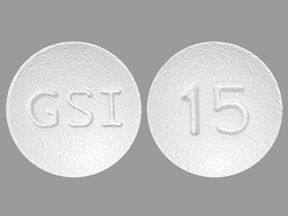
Descovy is a prescription drug used to treat or help prevent HIV. Descovy comes as an oral tablet that you swallow.
Descovy is prescribed for adults and some children to treat and help prevent HIV. Using Descovy for HIV prevention is called preexposure prophylaxis (PrEP).
To learn more about Descovy’s uses, see the “Is Descovy used for PrEP?” and “Is Descovy used for HIV?” sections.
Descovy basics
Descovy contains the active ingredients emtricitabine and tenofovir alafenamide. (An active ingredient is what makes a drug work.) It belongs to a group of drugs called nucleoside reverse transcriptase inhibitors (NRTIs).
Descovy is a brand-name medication. A generic version of the drug isn’t currently available.
Your doctor may prescribe Descovy for preexposure prophylaxis (PrEP) of HIV. For PrEP, you’ll take the drug before you’ve been exposed to HIV. If you don’t have HIV but you’re at risk of contracting it, taking Descovy can reduce your risk of getting HIV.
HIV is a virus that affects your immune system. It damages certain cells and prevents your body from fighting off infections.
HIV can pass between people in several ways. These include having sex or sharing needles with someone who has HIV.
Descovy is prescribed for PrEP in adults and adolescents (children ages 12 years and older) weighing at least 35 kilograms (kg), which is about 77 pounds (lb). But for this use, it should not be taken by females at risk of HIV from vaginal sex.
Descovy reduces your risk of contracting HIV by blocking the virus’s ability to make copies of itself.
Descovy is also approved to treat HIV in certain people. For more information about this, see the “Is Descovy used for HIV?” section.
Note: The use of binary terms such as “male” and “female” or “men” and “women” in this article reflects the language of the sources we’ve used. Unless otherwise noted, it’s unclear whether the research we reference included participants with expansive gender identities.
Your doctor may prescribe Descovy to treat HIV, which is a virus that affects your immune system.
HIV damages certain cells and prevents your body from fighting off infections. If you’re taking Descovy to treat HIV, you’ll take it with other medications called antiretrovirals.
To treat HIV, more than one medication needs to be taken. Using many HIV drugs for treatment is called an HIV regimen. An HIV regimen contains two to three HIV medications from a minimum of two drug classes. (A drug class is a group of medications that work in the same way.) Descovy is used as part of an HIV regimen.
Descovy is prescribed to treat HIV in combination with other HIV drugs for adults and some children. Children who weigh at least 35 kilograms (kg), which is about 77 pounds (lb), can take Descovy.
Children weighing at least 14 kg (about 31 lb) and less than 35 kg may also take Descovy. But doctors must prescribe another HIV medication that is not a protease inhibitor, requiring a CYP3A inhibitor for children taking this treatment. (Protease inhibitors are a kind of HIV medication that act differently from Descovy. A CYP3A inhibitor is a medication that reduces the ability of a specific liver enzyme to break down HIV medications.)
Descovy treats HIV by blocking HIV from making copies of itself in your body’s cells. Although HIV regimens lower the number of HIV copies in your body, they don’t cure HIV. But these treatments can lengthen life span and help reduce the transmission of HIV to other people.
Descovy is also approved to help prevent HIV in certain people. For more information, see the “Is Descovy used for PrEP?” section.
Your doctor will recommend the dosage of Descovy that’s right for you. The following are commonly used dosages, but always take the dosage your doctor prescribes.
Form
Descovy comes as tablets that you’ll swallow.
Recommended dosages
For preexposure prophylaxis (PrEP), you’ll likely take one (200 mg/25 mg) Descovy tablet once per day if you weigh at least 35 kg (77 lb).
For HIV treatment, you’ll likely take one (200 mg/25 mg) Descovy tablet once per day, along with other HIV medications.
For information about how Descovy is used for PrEP and HIV treatment, see the sections called “Is Descovy used for PrEP?” and “Is Descovy used for HIV?”
Questions about Descovy’s dosage
Here are some common questions about Descovy’s dosage.
What if I miss a dose of Descovy?
It’s important to take Descovy every day on a regular schedule. Missing a dose can affect how well Descovy works. If you miss a dose of Descovy, take it as soon as you remember. Then, take your next dose at the usual time.
If you forget to take a dose and remember just prior to your next scheduled dose, do not take two doses of Descovy to make up for the missed dose. This is not recommended, and you may experience more side effects.
Talk with your doctor or pharmacist if you’re unsure when to take Descovy after you’ve missed a dose.
Will I need to use Descovy long term?
If you’re taking Descovy for HIV treatment and it’s working well for you, you’ll need to take it long term. Talk with your doctor about how long you’ll need to take Descovy.
If you’re taking Descovy for preexposure prophylaxis (PrEP), your doctor may tell you when to stop taking it. You’ll need to stop taking Descovy if you test positive for HIV. Do not stop taking Descovy without talking with your doctor.
How long does Descovy take to work?
Descovy works quickly to reduce the amount of HIV in your body.
If you’re taking Descovy for HIV treatment, your doctor might test how much HIV is in your body 2 to 8 weeks after starting or changing treatment. In studies, most people had reduced levels of HIV in their body after 24 weeks of treatment.
If you’re taking Descovy for PrEP (to help prevent HIV), you should be tested for HIV immediately prior to starting Descovy and at least every 3 months while taking the medication. If you’ve had recent exposure to HIV or you experience symptoms of an acute HIV infection, your doctor may also recommend prompt and repeat testing for HIV (every 4 weeks, for example).
If you’re taking Descovy as prescribed and following HIV-prevention measures, the drug acts quickly to help prevent HIV.
Your doctor will explain how you should take Descovy. They’ll also explain how much to take and how often. Be sure to follow your doctor’s instructions.
Taking Descovy
Descovy comes as tablets that you’ll swallow.
Taking Descovy with other drugs
If you’re taking Descovy for HIV treatment, you’ll take it together with other HIV medications.
To treat HIV, more than one medication needs to be taken. Using many HIV drugs for treatment is called an HIV regimen. An HIV regimen contains two to three HIV medications from a minimum of two drug classes. (A drug class is a group of medications that work in the same way.) Descovy is used as part of an HIV regimen.
For example, in an HIV treatment regimen, people can take Descovy with either:
- dolutegravir (Tivicay)
- darunavir and cobicistat (Prezcobix)
- raltegravir (Isentress)
- doravirine (Pifeltro)
- efavirenz
- rilpivirine (Edurant)
- atazanavir and cobicistat (Evotaz)*
If you’re taking Descovy for PrEP, you’ll likely take it without other HIV drugs.
* Taking these drugs with Descovy for HIV treatment is not recommended for children who weigh less than 35 kg (77 lb).
Questions about taking Descovy
Here are answers to common questions about taking Descovy.
Can Descovy be chewed, crushed, or split?
It’s unknown whether you can chew, crush, or split Descovy tablets. If you have trouble swallowing pills, talk with your pharmacist. They can suggest safe ways to take Descovy.
Should I take Descovy with food?
You can take Descovy with or without food.
Like most drugs, Descovy may cause mild or serious side effects.
In studies of adults taking Descovy for treatment of HIV, the most common side effect was nausea. In adults without HIV who took Descovy for HIV PrEP, the most common side effect was diarrhea.
Other more common mild side effects of Descovy include headache, fatigue, and abdominal pain.
Less common but serious Descovy side effects can include liver problems and kidney problems.
Descovy and Truvada are HIV medications that contain similar active ingredients. Both Descovy and Truvada contain emtricitabine. But in addition, Descovy contains tenofovir alafenamide, and Truvada contains tenofovir disoproxil fumarate.
Descovy and Truvada may be prescribed for either:
- preexposure prophylaxis (PrEP), which is therapy to help prevent HIV, or
- HIV treatment
It’s possible to have more side effects with Truvada than with Descovy. This is because tenofovir alafenamide causes fewer bone and kidney problems than tenofovir disoproxil fumarate.
In some cases, Truvada may be a preferred treatment because it can lower fat levels in the blood. Also, Truvada is approved for use in females at risk of getting HIV from vaginal sex. But Descovy isn’t approved for PrEP in that case.
Here are answers to some commonly asked questions about Descovy.
Does Descovy cause weight gain?
Weight gain was not seen as a side effect of Descovy in studies described in the drug’s prescribing information. But
If you have concerns about weight while you’re taking Descovy, talk with your doctor.
How does Descovy work?
Descovy contains two medications that are nucleoside reverse transcriptase inhibitors (NRTIs). This type of HIV medication blocks HIV from making copies of itself inside your body’s cells. With fewer copies of HIV in your body, your immune system can better fight off the virus.
Can I take Descovy to help prevent HIV if I have vaginal sex?
No, taking Descovy isn’t recommended for females at risk of getting HIV from vaginal sex. This is because its effectiveness hasn’t been studied in this group. If you have vaginal sex and are interested in preventing HIV, talk with your doctor or pharmacist. They can tell you more about Descovy and other prevention options that may be suitable for you.
Some important things to discuss with your doctor before taking Descovy include your overall health and any medications you’re taking. If you’re pregnant or breastfeeding, talk with your doctor before taking Descovy.
Interactions
Taking medications, vaccines, foods, and other things with a certain drug can affect how the drug works. These effects are called interactions.
Before taking Descovy, be sure to tell your doctor about all medications you take, including prescription and over-the-counter types. Also describe any vitamins, herbs, or supplements you use. Your doctor or pharmacist can tell you about any interactions these items may cause with Descovy.
Interactions with drugs or supplements
Descovy can interact with several types of drugs. Because Descovy contains two active ingredients, many other drugs or supplements can cause interactions.
Some drugs can decrease the levels of tenofovir, one of the active ingredients in Descovy. These drugs include:
- the HIV drug tipranavir (Aptivus) used with ritonavir (Norvir)
- certain seizure medications, such as carbamazepine (Tegretol), phenobarbital, and phenytoin (Dilantin)
- certain antibiotics, such as rifampin (Rifadin) and rifapentine (Priftin)
- the herb St. John’s wort
Drugs that your body clears through your kidneys can also interfere with how Descovy is cleared. Examples of these drugs include the antivirals:
- acyclovir
- valacyclovir (Valtrex)
These lists don’t contain all types of drugs that may interact with Descovy. Your doctor or pharmacist can tell you more about these interactions and any others that may occur with use of Descovy.
Boxed warnings
Descovy has boxed warnings about the risk of severe worsening of hepatitis B and HIV resistance. A boxed warning is the most serious warning from the Food and Drug Administration (FDA).
Risk of severe worsening of hepatitis B: Some people may have severe worsening of hepatitis B when they stop taking Descovy. This may happen in people who already have hepatitis B.
Risk of HIV resistance: People taking Descovy to help prevent HIV, but who have undetected HIV, may develop HIV resistance to one or both of Descovy’s active ingredients. When HIV becomes resistant to one or both of Descovy’s active ingredients, the medication no longer works as well to treat HIV.
For more information about these warnings, see the “What are Descovy’s side effects?” section.
Other warnings
Descovy may not be right for you if you have certain medical conditions or other factors that affect your health. Talk with your doctor about your health history before you take Descovy. Factors to consider include those in the following list.
- Allergic reaction: If you’ve had an allergic reaction to Descovy or any of its ingredients, you shouldn’t take Descovy. Ask your doctor what other medications are better options for you.
- Immune reconstitution inflammatory syndrome (IRIS): An infection that’s already in your body or that was treated in the past can worsen or come back when HIV medications are started. This condition is called IRIS. Before starting Descovy, be sure to let your doctor know about any infections you have or have had in the past.
Descovy and alcohol
Descovy isn’t known to interact with alcohol. But research suggests that alcohol use is common in people with HIV. And alcohol misuse can increase the risk of HIV.
Also, drinking too much alcohol may affect taking HIV medications correctly.
It’s recommended that people with HIV limit the use of alcohol. And people at risk of HIV should also limit how much alcohol they drink.
If you can become pregnant, are breastfeeding, or are using birth control, it’s important to consider whether Descovy is a safe choice for you.
You can refer to this Descovy reproductive health article for more information. If you have additional questions, talk with your doctor.
Whether you have health insurance or not, cost may be a factor when you’re considering Descovy. What you’ll pay for Descovy may depend on several things, such as your treatment plan and the pharmacy you use.
Here are a few things to consider regarding cost:
- Comparing pharmacies: The price of Descovy may vary depending on which pharmacy you use, so it can help to compare prices across pharmacies to find the lowest cost.
- Drug coupons: You may be able to find drug coupons on prescription discount websites that can reduce the cost of your medication. These coupons cannot be used with insurance copays or benefits, but the discounted price may be lower than what you would pay through insurance.
- Financial assistance: Some websites provide details about drug assistance programs, ways to make the most of your insurance coverage, and links to savings cards and other services. Two such websites are:
A savings program sponsored by the manufacturer of Descovy called Gilead Advancing Access may also be available to help you save money on your prescription.
Optum Perks is owned by RVO Health. By clicking on this link, we may receive a commission. Learn more.
Do not take more Descovy than your doctor prescribes, as this can lead to harmful effects.
What to do in case of overdose
Call your doctor if you think you’ve taken too much Descovy. You can also call 800-222-1222 to reach America’s Poison Centers or use its online resource. But if you have severe symptoms, immediately call 911 or your local emergency number. Or go to the nearest emergency room.
Disclaimer: Healthline has made every effort to make certain that all information is factually correct, comprehensive, and up to date. However, this article should not be used as a substitute for the knowledge and expertise of a licensed healthcare professional. You should always consult your doctor or another healthcare professional before taking any medication. The drug information contained herein is subject to change and is not intended to cover all possible uses, directions, precautions, warnings, drug interactions, allergic reactions, or adverse effects. The absence of warnings or other information for a given drug does not indicate that the drug or drug combination is safe, effective, or appropriate for all patients or all specific uses.