Key takeaways
- Qulipta is a prescription tablet that you take every day to help prevent migraine symptoms. You should not use Qulipta to treat a migraine episode as it’s happening.
- Qulipta works by blocking a protein called calcitonin gene-related peptide (CGRP). CGRP is thought to cause migraine symptoms like pain and inflammation.
- Common side effects include nausea, constipation, decreased appetite, and fatigue. Serious side effects are rare.
Qulipta contains the active ingredient atogepant. It belongs to a group of migraine medications called calcitonin gene-related peptide (CGRP) blockers.
Qulipta is a brand-name medication. It’s not currently available as a generic.
Like most drugs, Qulipta may cause mild or serious side effects. The following lists describe some of the more common side effects that Qulipta may cause. These lists don’t include all possible side effects.
Keep in mind that side effects of a drug can depend on:
- your age
- other health conditions you have
- other medications you take
Your doctor or pharmacist can tell you more about the potential side effects of Qulipta. They can also suggest ways to help reduce side effects.
Mild side effects
Here’s a short list of some of the mild side effects that Qulipta can cause. To learn about other mild side effects, talk with your doctor or pharmacist, or read Qulipta’s prescribing information.
Mild side effects of Qulipta that have been reported include:
- decreased weight
- appetite loss
- nausea
- constipation
- low energy
- dizziness
- mild allergic reaction
Mild side effects of many drugs may go away within a few days to a couple of weeks. But if they become bothersome, talk with your doctor or pharmacist.
Serious side effects
Serious side effects from Qulipta can occur, but they aren’t common. If you have serious side effects from Qulipta, call your doctor right away. But if you think you’re having a medical emergency, you should call 911 or your local emergency number.
Serious side effects of Qulipta include:
- high blood pressure
- Raynaud phenomenon (lack of blood flow in the extremities, often the hands and feet)
- severe allergic reaction
Allergic reactionFor some people, Qulipta can cause an allergic reaction. In general, symptoms of an allergic reaction can be mild or serious.
What might help
If you have mild symptoms of an allergic reaction, such as a mild rash, call your doctor right away. They may suggest a treatment to manage your symptoms and can determine whether you should keep taking Qulipta.
If you have symptoms of a severe allergic reaction, such as swelling or trouble breathing, call 911 or your local emergency number right away. These symptoms could be life threatening and require immediate medical care.
If your doctor confirms you’ve had a serious allergic reaction to Qulipta, they may have you switch to a different treatment.
The price of Qulipta can vary depending on many factors. These factors include what your insurance plan covers and which pharmacy you use.
If you have questions about how to pay for your prescription, talk with your doctor or pharmacist. You can also refer to this article about Medicare coverage for Qulipta.
Savings for Qulipta
The Qulipta Complete savings card may help lower the cost of this drug.
You may also be able to find drug coupons on prescription discount websites that can reduce the cost of your medication. These coupons cannot be used with insurance copays or benefits, but the discounted price may be lower than what you would pay through insurance.
Qulipta is prescribed to help prevent migraine episodes in adults.
Migraine is a condition that causes intense headaches that may affect a person’s ability to function. These are referred to as migraine headaches or migraine episodes. Some people also have other symptoms, such as nausea, trouble speaking, and sensitivity to sound or light.
Qulipta can be used to help prevent symptoms of episodic or chronic migraine. With episodic migraine, you have symptoms on less than 15 days per month, and you may not have symptoms for weeks or months at a time. With chronic migraine, you have symptoms for at least 15 days per month, for at least 3 months.
Qulipta isn’t taken to treat migraine episodes as they happen. Instead, it’s taken every day to help prevent migraine symptoms.
Qulipta works to help prevent migraine symptoms by blocking the activity of a protein called calcitonin gene-related peptide (CGRP). Your body makes this protein naturally. In people with migraine, CGRP may cause pain and inflammation in the nervous system.
How long does Qulipta take to work?
Find answers to some commonly asked questions about Qulipta.
How does Qulipta compare with Nurtec ODT?
Qulipta and Nurtec ODT (rimegepant) are medications prescribed for migraine in adults.
Both Qulipta and Nurtec ODT can be used to help prevent migraine symptoms. Qulipta can be used for either episodic or chronic migraine, but Nurtec ODT is only used for episodic migraine.
Nurtec ODT can also be used to treat migraine episodes as they happen. Qulipta isn’t used to treat migraine episodes as they occur.
Qulipta and Nurtec ODT both belong to a group of migraine medications called calcitonin gene-related peptide (CGRP) blockers.
If you’d like to learn more about how Qulipta and Nurtec ODT compare, talk with your doctor or pharmacist.
What’s Qulipta’s mechanism of action?
How a drug works is referred to as its mechanism of action. Qulipta works by blocking the activity of a protein called CGRP. CGRP is a protein your body makes naturally. In people with migraine, CGRP may cause pain and inflammation in the nervous system.
If you’d like to learn more about how Qulipta works, talk with your pharmacist or doctor.
Is hair loss a side effect of Qulipta?
No, hair loss is not a known side effect of Qulipta. In studies of Qulipta, hair loss was not reported in people who took the drug.
But hair loss has been reported with another migraine drug, Aimovig (erenumab-aooe), since it became available on the market. Like Qulipta, Aimovig is a kind of CGRP medication. (For more information, see the section just above.)
Note that stress can lead to hair loss. Stress can also trigger migraine symptoms in some people. So it’s possible that stress related to migraine can cause hair loss.
If you’re concerned about hair loss and migraine treatment, talk with your doctor or pharmacist.
If you’d like to know how Qulipta and Topamax compare, here’s a summary of some key features of these medications.
| Qulipta | Topamax | |
| Active drug | atogepant | topiramate |
| Forms | tablet that you swallow | • tablet that you swallow • sprinkle capsules that you can swallow whole or sprinkle onto food |
| Uses | migraine symptom prevention in adults | • migraine episode prevention in adults and certain children • seizure treatment in adults and certain children |
These drugs tend to cause different side effects, but can cause some similar ones. With Qulipta, nausea, constipation, and fatigue (low energy) were most common in studies. In Topamax’s studies, tingling in the legs and arms, appetite loss, and weight loss were some of the more common side effects.
Your doctor will recommend the dosage of Qulipta that’s right for you. Below are commonly prescribed dosages, but always take the dosage your doctor prescribes.
Form
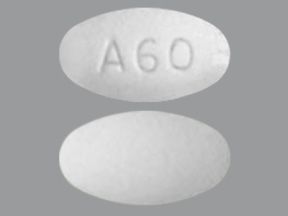
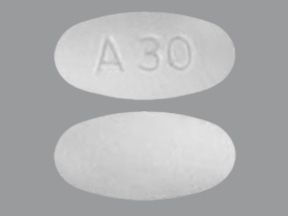
Qulipta comes as tablets that you swallow.
Strengths: 10 mg, 30 mg, 60 mg
Qulipta tablets come in three strengths:
- 10 milligrams (mg)
- 30 mg
- 60 mg
Recommended dosage
You’ll take Qulipta once per day. Specifically:
- For episodic migraine, your doctor may prescribe 10 mg, 30 mg, or 60 mg of Qulipta per day.
- For chronic migraine, the recommended dosage is 60 mg per day.
Questions about Qulipta’s dosage
Below are some common questions about Qulipta’s dosage.
- What if I miss a dose of Qulipta? If you miss a dose of Qulipta, try to take it as soon as you remember. But if it’s nearly time for your next dose, skip the missed dose. Take your next dose at the regularly scheduled time. And do not take more than one dose of Qulipta to make up for a missed dose.
- Will I need to take Qulipta long term? You’ll likely take Qulipta long term if you and your doctor agree that the drug is safe and working well for you.
Optum Now is operated by RVO Health. By clicking on this link, we may receive a commission. Learn more.
Certain factors may affect how well Qulipta works to help prevent migraine. These include your medical history and any medications you may take. This section contains some of the important considerations to discuss with your doctor before you start taking Qulipta.
Interactions
Taking a medication with certain vaccines, foods, and other things can affect how the medication works. These effects are called interactions.
Before taking Qulipta, be sure to tell your doctor about all medications you take, including both prescription and over-the-counter ones. Also, describe any vitamins, herbs, or supplements you use. Your doctor or pharmacist can tell you about any interactions these items may cause with Qulipta.
Interactions with drugs or supplements
Qulipta can interact with several kinds of drugs. These include:
- certain antifungal medications, including itraconazole (Sporanox, Tolsura) and ketoconazole
- certain antibiotics, including clarithromycin and rifampin (Rimactane)
- certain antiepileptic drugs, including phenytoin (Dilantin) and carbamazepine (Carbatrol, Tegretol)
- certain antiretrovirals, including efavirenz (Sustiva) and etravirine (Intelence)
- the transplant medication cyclosporine (Gengraf, Neoral, Sandimmune)
- the herbal supplement St. John’s wort
This list does not contain all kinds of drugs that may interact with Qulipta. Your doctor or pharmacist can tell you more about these interactions and any others that may occur with Qulipta.
Warnings
Qulipta may not be right for you if you have certain medical conditions or other factors that affect your health. Talk with your doctor about your health history before you take Qulipta. Factors to consider include:
- kidney problems, including any requiring dialysis
- liver problems
- high blood pressure
- Raynaud phenomenon
- history of allergic reaction to Qulipta or any of its ingredients
Qulipta and alcohol
There are no known interactions between alcohol and Qulipta.
But alcohol can trigger migraine symptoms for some people. If alcohol is a migraine trigger for you, consuming alcohol could affect how well Qulipta works to help prevent your migraine symptoms.
If you consume alcohol, talk with your doctor about how much is safe to drink while you’re taking Qulipta.
Pregnancy and breastfeeding
It’s not known whether it’s safe to take Qulipta while pregnant or breastfeeding.
If you’re pregnant or breastfeeding, or planning to become pregnant or breastfeed, talk with your doctor. They can discuss with you safe treatments for your condition.
If you take Qulipta during pregnancy, you could sign up for this migraine pregnancy registry. This registry gathers information about how certain migraine medications affect pregnancy. Your doctor can tell you more and help you sign up.
Your doctor will explain how you should take Qulipta. They’ll also explain how much to take and how often. Be sure to follow your doctor’s instructions.
Taking Qulipta
Qulipta comes as tablets that you swallow. Try to take this medication around the same time each day. This can help keep a consistent level of Qulipta in your body.
Accessible medication containers and labels
Certain pharmacies may provide medication labels that:
- have large print
- use braille
- contain a code you can scan with a smartphone to change the text into audio
Your doctor or pharmacist may be able to recommend a pharmacy that offers these options if your current pharmacy doesn’t.
Also, if you’re having trouble opening your medication bottles, let your pharmacist know. They may be able to put Qulipta in an easy-open container. Your pharmacist may also recommend tools to help make it simpler to open the drug’s container.
Questions about taking Qulipta
Below are some common questions about taking Qulipta.
- Can Qulipta be chewed, crushed, or split? The manufacturer of Qulipta hasn’t stated whether the drug may be chewed, crushed, or split. If you’re having trouble swallowing pills, talk with your doctor or pharmacist. They may have suggestions to help you take Qulipta. You can also check out these tips for swallowing pills.
- Should I take Qulipta with food? You may take Qulipta doses with or without food.
Questions for your doctorYou may have questions about Qulipta and your treatment plan. It’s important to discuss all your concerns with your doctor.
Here are a few tips that might help guide your discussion:
- Before your appointment, write down questions such as:
- How will Qulipta affect my body, mood, or lifestyle?
- Bring someone with you to your appointment if doing so will help you feel more comfortable.
- If you don’t understand something related to your condition or treatment, ask your doctor to explain it to you.
Remember, your doctor and other healthcare professionals are available to help you. And they want you to get the best care possible. So don’t be afraid to ask questions or offer feedback on your treatment.
Do not take more Qulipta than your doctor prescribes. Taking more than this can lead to serious side effects.
What to do in case you take too much Qulipta
Call your doctor if you think you’ve taken too much Qulipta. You can also call 800-222-1222 to reach America’s Poison Centers or use its online resource. But if you have severe symptoms, immediately call 911 or your local emergency number. Or go to the nearest emergency room.
Q:
Will I need to take other migraine medications with Qulipta?
AnonymousA:
It’s possible that you’ll take other migraine medications with Qulipta.
Qulipta is prescribed to help prevent migraine symptoms in adults. It’s not meant to treat migraine episodes as they happen. So your doctor may also prescribe a medication that you take to treat a migraine episode when one occurs.
The following medications are generally safe to take with Qulipta. This list doesn’t include all medications that can be taken with Qulipta.
- triptans, such as sumatriptan (Imitrex)
- ergotamines, such as dihydroergotamine (D.H.E-45, Migranal, Trudhesa)
- nonsteroidal anti-inflammatory drugs, such as ibuprofen (Advil)
- acetaminophen (Tylenol)
- opioids, such as oxycodone (OxyContin)
Work with your doctor to decide on the best migraine treatment plan for you. This includes discussing any migraine medications you’ll use together with Qulipta.
The Healthline Pharmacist TeamAnswers represent the opinions of our medical experts. All content is strictly informational and should not be considered medical advice.Disclaimer: Healthline has made every effort to make certain that all information is factually correct, comprehensive, and up to date. However, this article should not be used as a substitute for the knowledge and expertise of a licensed healthcare professional. You should always consult your doctor or another healthcare professional before taking any medication. The drug information contained herein is subject to change and is not intended to cover all possible uses, directions, precautions, warnings, drug interactions, allergic reactions, or adverse effects. The absence of warnings or other information for a given drug does not indicate that the drug or drug combination is safe, effective, or appropriate for all patients or all specific uses.