














Our team set out to improve our wake-ups using sunrise alarm clocks, which wake you with slowly brightening light.
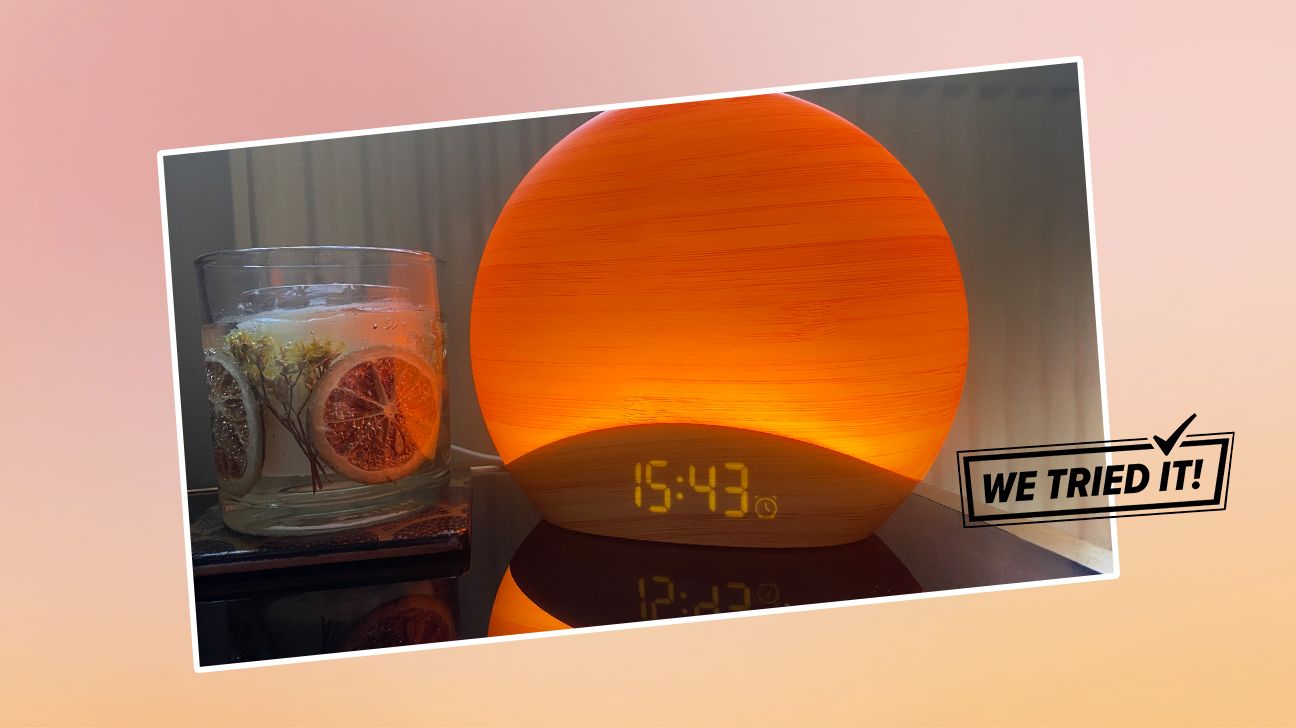
As much as I love early mornings to myself — time for self-care, exercise, stretching — loving this idyllic time is not always enough to prevent me from hitting the snooze button.
These days, it’s almost never enough. I’m plagued by the question, “Are you a morning person?” Because yes, but lately, my body just won’t get on board.
With less sunlight, darker mornings, and colder weather pressuring me to milk every possible second in bed, something had to be done. I needed to reclaim my mornings, and I knew I wasn’t alone in this feeling.
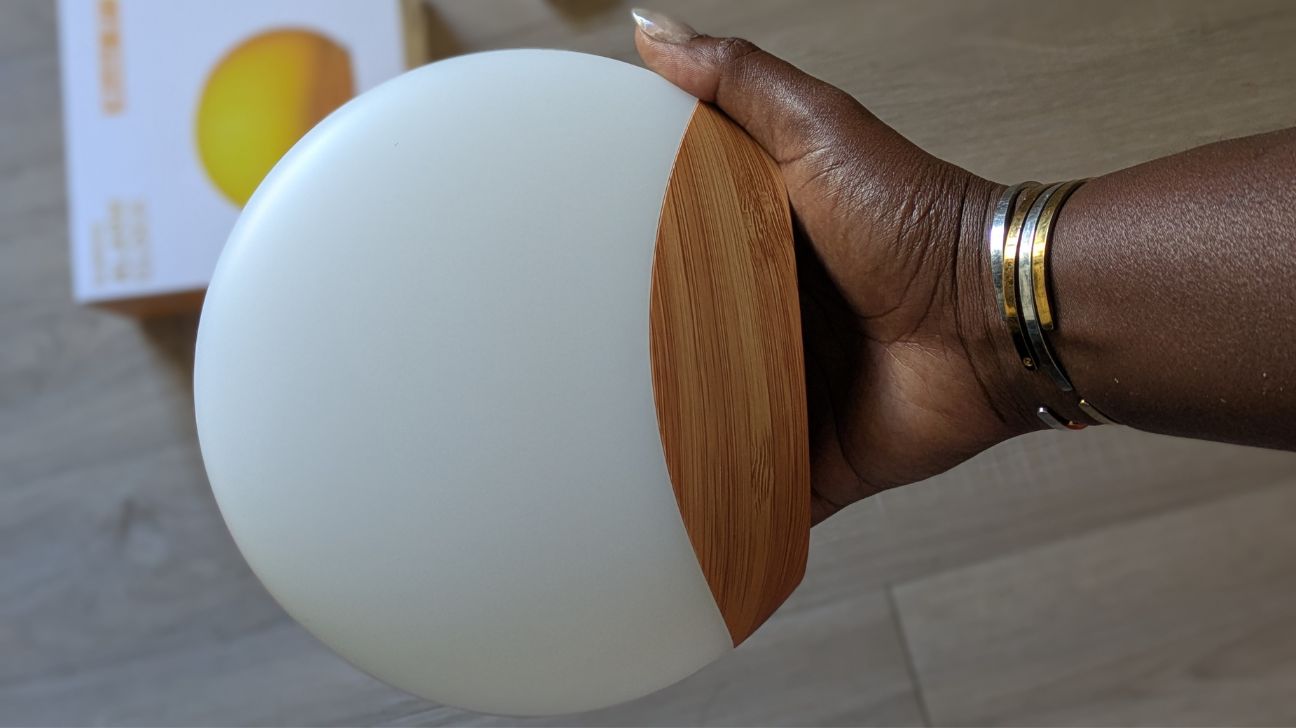
I dragged three of my fellow editors along with me on this journey to test sunrise alarm clocks. Shoutout to Lois, Kristin, and Parisa.
You have likely seen expensive sunrise alarm clock brands like Hatch and Loftie hailed on social media, but we turned to Amazon to find a reasonably priced option to test this trend. After all, if we could feel more rested and energetic on the cheap, even better.
We all have our own reasons for hitting snooze and battling poor sleep inertia, a fancy phrase for “we feel groggy in the morning.”
Lois lives in the UK. “Mornings can be very dark and gray, and it sometimes doesn’t properly lighten up until about 11.”
Kristin lives with chronic pain and tends to be groggy from one of the aids she uses for sleep. Parisa struggles to get to sleep early enough and has admittedly just never been a morning person; late nights carry over into slow mornings. I have two young children who tend to drain every ounce of my energy and who tend to overload my nervous system in the evenings.
To be frank, research on sunrise alarm clocks is not particularly robust. But anecdotally, people tend to like them.
The most recent (and strongest) study was in 2024. It concluded that they may help, but the effects weren’t overwhelming. Researchers have found that the response may depend on your chronotype, the duration of light exposure, and the sleep stage you’re in when the light begins.
Additionally, the study notes that the light simulation doesn’t negate the effects of poor sleep. Bad sleep can’t be reversed, so sleep hygiene is still the strongest play.
In fact, for Kristin, the only time she hit the snooze button in the first eight days of testing the sunrise alarm clock was after a night she didn’t sleep well. So that holds up.
The common thread in
After each using a sunrise alarm clock for several weeks, here’s our take:
You won’t magically convert into a chipper morning person
Willpower is still required. The nice, gentle wakeup will make it a little easier to sit up and start your day, but you may still have to fight off the desire to tuck yourself back in.
Have a planned morning routine or small task to do right away, even if that’s just stretching on the floor next to your bed or turning on the coffee machine.
For Parisa, it’s feeding her cats, journaling, or meditating. You might even turn to our newly appreciated acupressure mat habit.
It’s more helpful to some than others
Surprise, we’re all a little different. Overall, the sunrise alarm clocks offered some benefit to all of us, but that benefit carried more weight for some than others.
“It was definitely nice to wake up not in complete darkness,” said Lois. However, she didn’t note a drastic difference in grogginess or how easy it was to wake up. For her, it’s going to be a nice bonus for the dreary winter months — not something that’s stealing the spotlight.
Kristin, however, felt that her overall circadian rhythm was more in sync. She was able to postpone her caffeine intake and let her body wake itself up more naturally. She felt that she was getting sleepy more naturally in the evening and started to sleep through the night more often.
Parisa came to appreciate waking up to light rather than harsh sounds or music. “My mood or grogginess didn’t really change, but it was less startling than my phone’s loud and jarring alarms,” she said. For her, it’s the lesser of two evils.
The light may still annoy you at first
Let’s face it, it’s still an alarm clock — just a slightly nicer one. Parisa, our self-proclaimed night owl, was irritated the first morning. “It shone right in my face and I was upset,” she said.
I also found I had to experiment with where to place the alarm clock. The first night, I tried putting it across the room, facing my bed from my dresser. When light gleamed directly at me in the morning, my only thought was “rude.”
So, I moved it to my actual nightstand, facing toward my feet, and slightly angled toward the bed; that’s been much more pleasant.
It’s a good way to consciously separate from your phone
Using a sunrise alarm clock is one small way to reduce your reliance on your phone. This was an unexpected perk for Lois.
“I wasn’t turning off my phone’s alarm and immediately seeing a bunch of notifications on the screen. I woke up slower in that sense, feeling like I had a bit more chill time before I properly ‘switched on,'” she said.
If you struggle with morning anxiety like her, a sunrise alarm clock may be something to consider.
They give you space to just be
These days, I’m not rushing out of bed, but I’m also not immediately snapping the snooze button over and over until the last possible second.
Instead, I can be found casually lying in bed or on the floor, stretching to the sunrise light and listening to birds chirping (a sound you can select to turn on at the end of your 30-minute wake-up window).
It gives me peace, it gives me space, it gives me time, and I’m making it to my morning workout much more often.
The sunlight wakeup brings a decreased urgency to hit snooze, but not necessarily an increased urge to unsnuggle yourself.
Like most health trends, it’s all about expectations. If you expect to suddenly feel incredibly rested and start singing with the birds in the morning, you’ll be disappointed.
But if you view a sunrise alarm clock as a tool to help prevent you from wasting the morning and to stop hating your alarm clock, you’ll enjoy the benefits.