














On a quest to ease back pain and improve flexibility, I tested popular pain relief tools, from foam rollers to arches. Find out what worked, what didn’t, and what I’m still using.
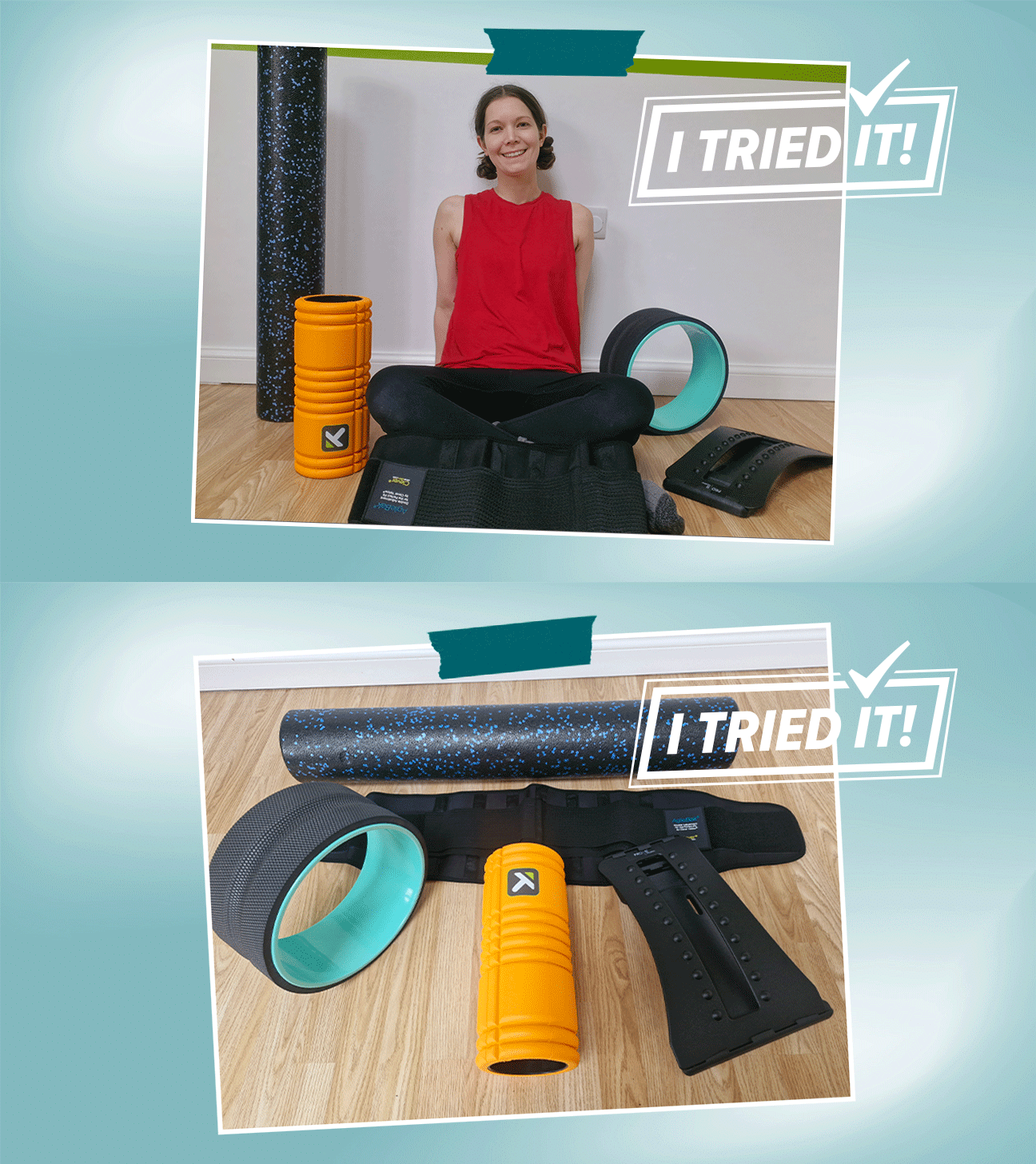
I’ve been lucky to live most of my life without back pain. Unfortunately, the triple threat of remote work, hitting my 30s, and parenting a lively toddler now guarantees daily aches and pains.
Hoping to manage discomfort and inflexibility before things get worse, I looked for pain relief, massage, and stretching tools. I already have a few products I regularly use for relieving back pain, but I wanted to explore more targeted options.
Would they work? Or should I stick to simple stretching?
How I Tested Back Stretchers
I tested each product over 1-2 weeks whenever I experienced aches and pains, mostly in the afternoon or evening when the day’s work had taken a toll on my back muscles.
I also got feedback from my husband on the product he decided to test, which he would usually try in the evening.
Medical Perspective“As someone who has had lots of lower back pain, it’s a good idea to try out different products and decide what works best for you.”
“A lot of back pain can be attributed to long periods of sitting and also chronic phone/technology use. I emphasize the importance of getting up from your chair and moving throughout the day, as well as concentrating on sitting with better posture.”
Learn about the causes and treatments for back pain.
Quotes represent the opinions of our medical experts. All content is strictly informational and should not be considered medical advice.
Back pain tools aren’t a solution on their own, as much as I’d hoped they would be. They need to be combined with other activities and intentional habits.
While I’m glad I got to test out these tools, and a couple will stay in constant use, the best pain relief for me has come from simple stretching, regular movement, and comfortable rest.
I’ve incorporated gentle yoga into my daily routine, first thing in the morning and last thing before bed; think cat-cow, child’s pose, bridges, and twists. It’s simple, free, and adjustable for your ability. Most importantly, I feel the benefits.
One of my main takeaways is that finding relief and improving flexibility is a very personal journey. What suits me and my specific pain best isn’t necessarily what’s right for you.
I’ll keep on using my tried-and-tested pain relief tools, focus on comfortable rest, and make regular movement part of my routine.
Avoiding Injury: Don’t Push Yourself
With all these tools for pain relief, it’s essential to follow instructions carefully and stop use if it’s causing more pain.
You know your limits best, but consult a professional if back pain is severe or chronic.
Whether you are working with a physician, physical therapist, or another healthcare expert, tell them about pain and mobility limitations and ask for recommendations. If you’re considering specific products, get their opinion on whether they could help or hinder you.