














These recipes are designed with your health in focus, offering nourishing options to support your strength and well-being.
If you’re going through breast cancer treatment, you may feel too fatigued to go grocery shopping, let alone cook. Some breast cancer treatments may also leave you with nausea, low appetite, and a sore mouth.
However, if you’re feeling well enough to cook, there are specific recipes that can help you navigate certain challenges of breast cancer.
Nausea is a common side effect of many chemotherapy medications. Throughout the day, it may be easier to eat several small meals made from simple ingredients rather than a few big meals.
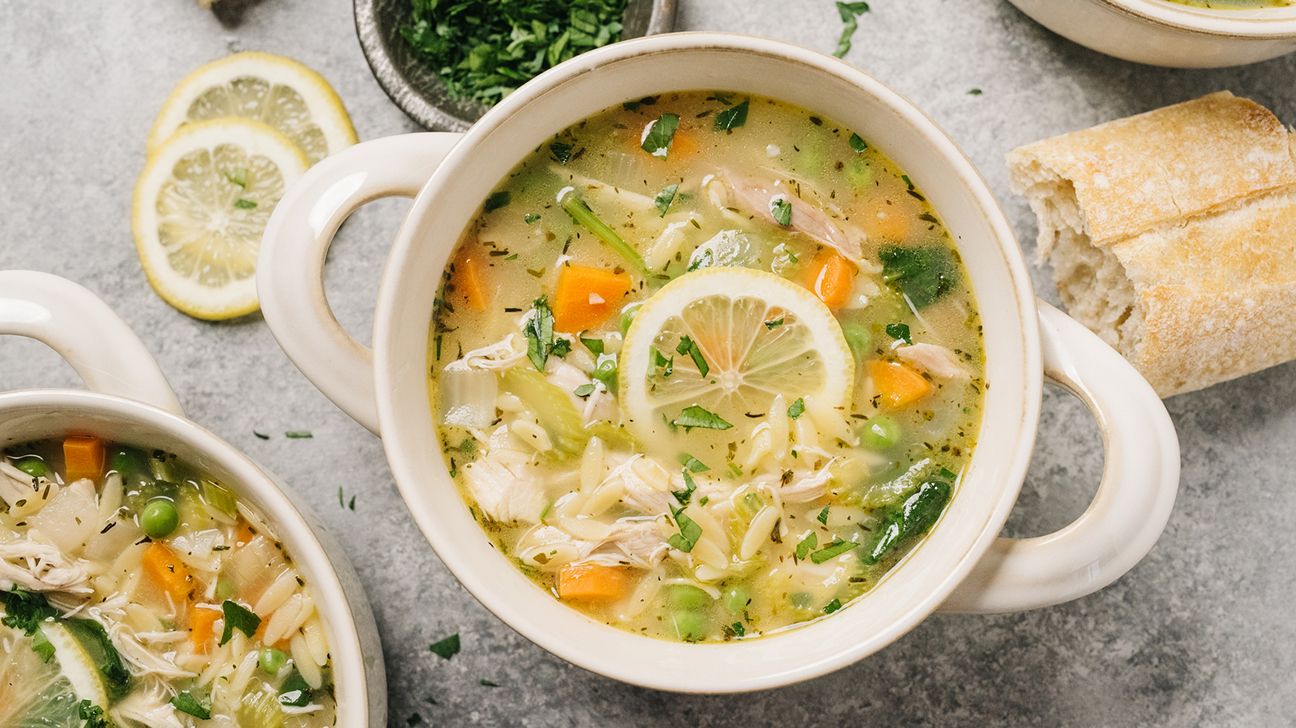
Lemon dill chicken soup with orzo
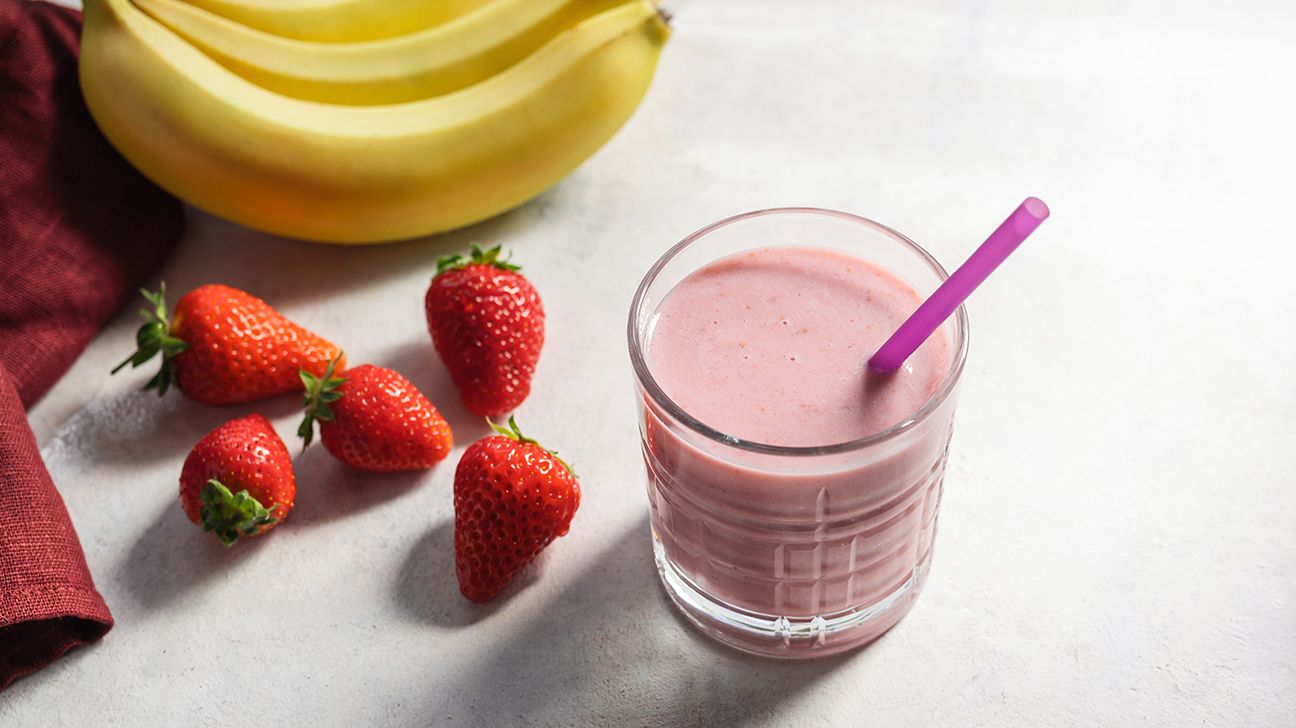
Strawberry banana protein smoothie
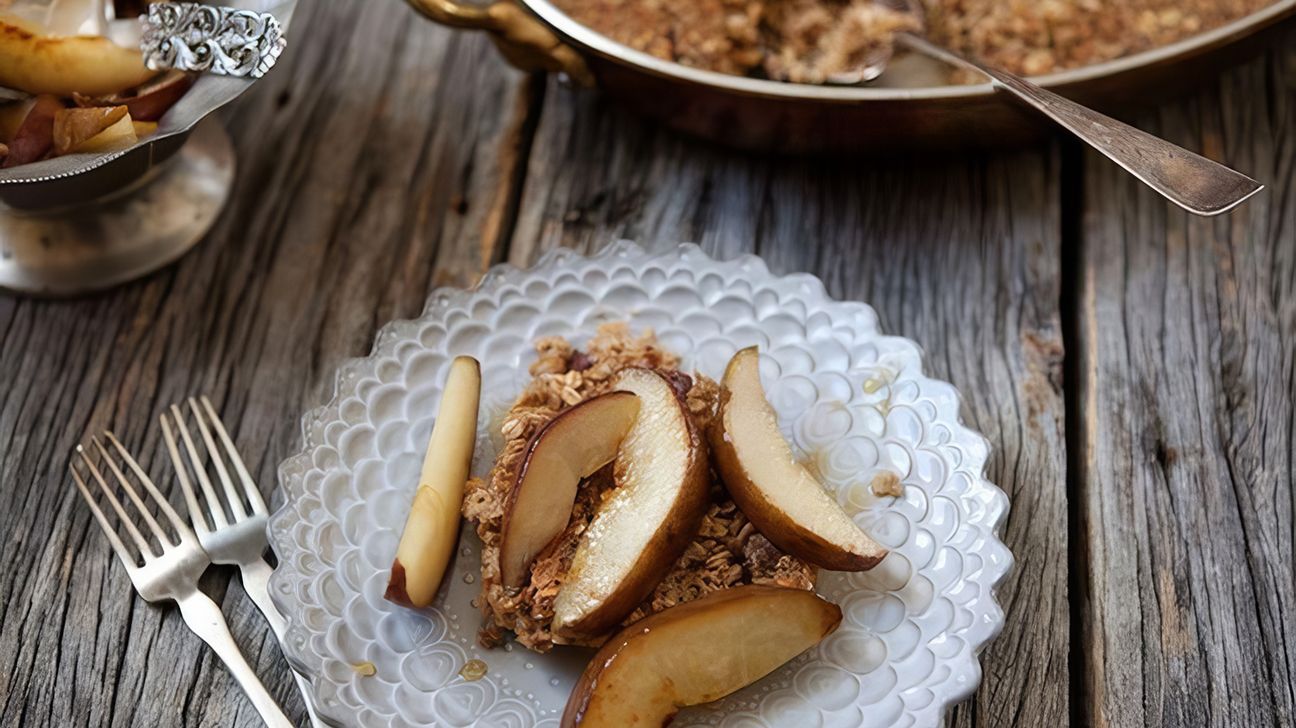
Chai baked oatmeal with pears
Severe nausea can make it very difficult to eat enough food. If you’re regularly coping with this symptom, get in touch with your cancer care team. They may be able to prescribe medications to ease nausea.
Tips for nausea
- Try bland, simple foods that don’t have strong smells.
- Avoid foods that are high in fat or spicy.
- Sniffing fresh lemon, sipping ginger tea, or chewing ginger candies may help reduce nausea.
- Eat in a comfortable place that isn’t too hot or stuffy.
Many people with breast cancer experience changes in their appetite. You may not be interested in eating or may find yourself feeling full more quickly than usual.
Easy chicken fried rice
Peanut butter breakfast muffins
Creamy cherry yogurt smoothie
It’s important to find ways to adjust to a low appetite. When you’re going through treatment and coping with the stress of an illness, it’s essential to give your body the nutrients it needs.
Tips for low appetite
- Set a timer to remind yourself to eat every few hours.
- Make food more appealing by adding sauces, oils, cheese, or dressings. These ingredients can help boost flavor, calories, and nutrients.
- Go for a walk or get some fresh air to see whether it helps boost your appetite.
- Make meals more pleasant by eating with someone or eating while watching your favorite show.
- Consider smoothies or shakes if drinking feels easier than eating.
Research suggests that eating more fruits and vegetables may
Hearty lentil and vegetable soup
Tropical fruit dip with melon
Orange creamsicle Greek yogurt popsicles
Tips for eating more fruits and vegetables
- Wash and chop vegetables and fruit ahead of time so they’re ready to eat.
- Add extra veggies to pasta or rice dishes.
- Frozen vegetables and fruit eliminate the need for washing or chopping, so they can be helpful to keep on hand.
One common side effect of chemotherapy is a sore mouth or throat, which can make eating difficult. Damage to cells in those areas can cause discomfort, but it usually goes away after treatments are finished.
Green tea smoothie bowl
Rosemary, goat cheese, and sun-dried tomato frittata muffins
Instant Pot butternut squash and apple soup
If you have a sore mouth, you may find it easier to eat soft, textured foods that aren’t too acidic or spicy. It may also be helpful to cut food into small, bite-sized pieces and use sauces or gravies to make it more tender.
Cancer-related fatigue is not the same as everyday fatigue. When you’re this exhausted, it can be difficult to eat enough food, let alone buy and prepare ingredients.
When you’re feeling energized, consider preparing large batches of meals that can be frozen and reheated at a later date.
Autumn stew with pumpkin and chickpeas
Chicken and squash bake
Black bean and zucchini chili
Tips for managing fatigure
- Fill your pantry with nutrient-packed grab-and-go snacks, such as fruit or crackers with nut butter, to munch on when you’re not feeling up to cooking.
- When friends ask how they can help, be ready with a grocery list or meal requests.
- Arrange for a grocery or meal delivery service.
- Consider using a slow cooker or pressure cooker to cook in a hands-off way.
It can be tricky to eat when you have breast cancer. Cancer-related fatigue can leave you without enough energy to go grocery shopping or cook. Cancer treatment can also cause a sore mouth and nausea, both of which can make mealtimes a challenge.
Certain dishes, such as smoothie bowls, freezable soups, and mild comfort foods, can help make eating easier when living with breast cancer.
Keep in mind that there is no one diet best for people with breast cancer. Consider focusing on a balanced diet that includes lots of fruits and vegetables but also incorporates foods you eat simply for enjoyment.
If you need more support, you can get more personalized recommendations from a registered dietitian, your cancer care team, or both.